
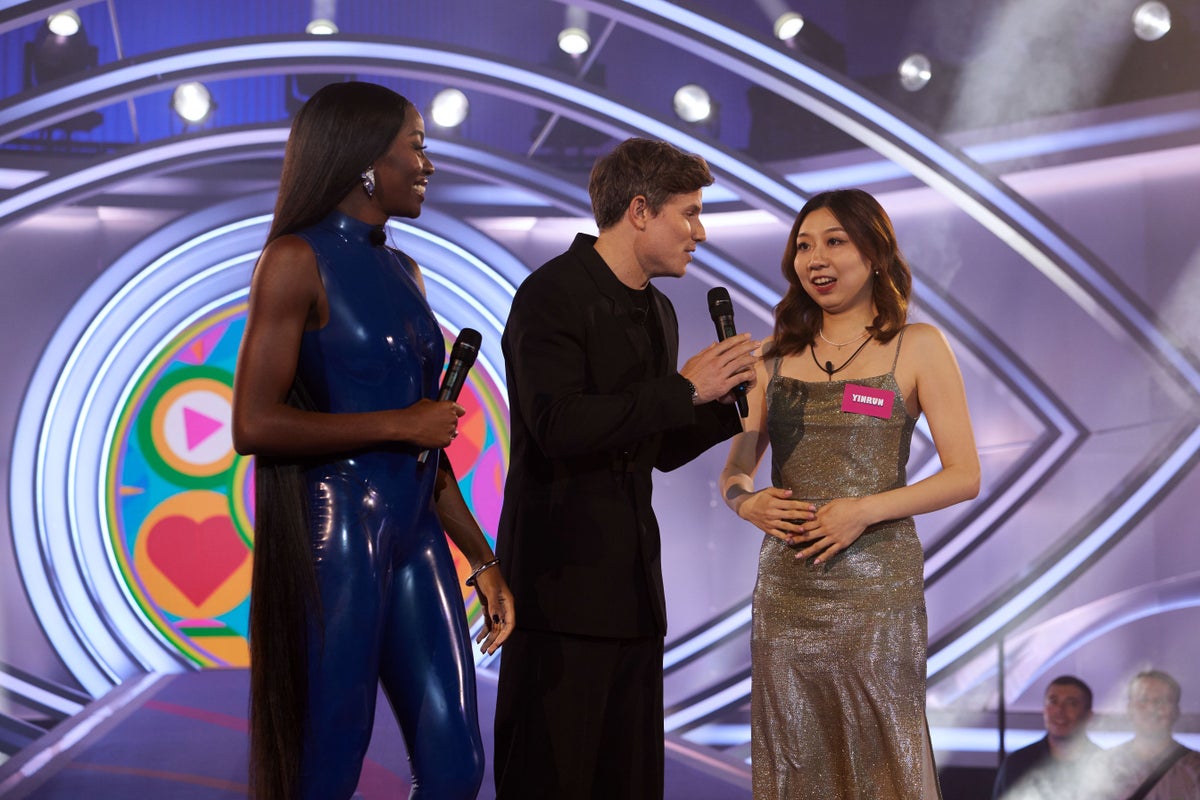
When Big Brother made its debut on Channel 4 back in the summer of 2000, its arrival heralded by the soon-to-be iconic synths of Paul Oakenfold and Andy Grey’s theme tune, it changed TV forever. Eleven contestants, taken from all walks of life, piled into a mansion in east London, rigged out with cameras to capture every throwaway comment, every disagreement, every facial expression. It was hailed as a groundbreaking social experiment and turned those 11 ordinary people into a new breed of celebrity. By 2018, however, after a move to Channel 5, a bucketload of celebrity spinoffs and increasingly outlandish format twists, this once revolutionary franchise seemed tired, no, exhausted. So when it was announced that year that Big Brother was being put out to grass, even the most devoted fans agreed that it was probably for the best.
TV loves a comeback story, though, and by 2022, ITV had secured the rights to the OG reality show, teasing its revival during the final of Love Island, a series heavily indebted to BB. But did anyone actually fancy another one, to borrow a phrase from Big Brother’s former presenter Davina McCall? The responses were mixed, to say the least. Could the broadcaster breathe fresh life into a franchise that hadn’t felt relevant since the mid-Noughties, recapturing some of the chaotic, zeitgeist-defining energy of its early heyday in the process? Or would it just end up looking and feeling like a Love Island knock-off, populated by TikTok stars with one lash-extensioned eye on a future fast-fashion deal? And would a series that could be notoriously hard on its contestants work in an era when we expect our reality TV to be more ethical?














