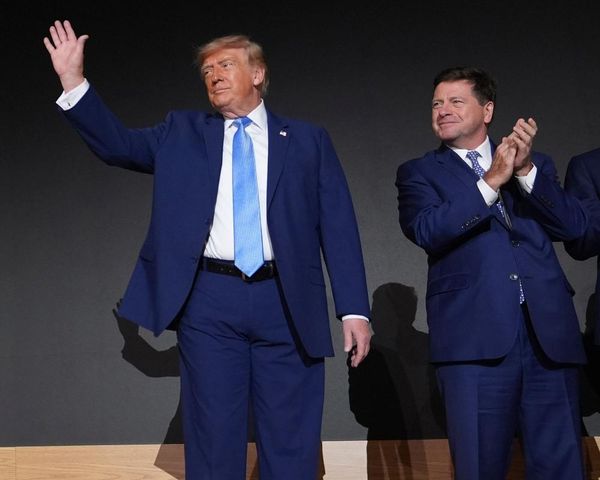
During a recent interview with ABC News, President Joe Biden offered a defense for his debate performance, citing former President Donald Trump's behavior as a factor that contributed to his perceived lack of control during the event. Biden mentioned that even when Trump's microphone was muted, he continued to shout, which he found distracting. While Biden did not place full blame on this factor, he acknowledged that it impacted his ability to maintain control of the debate.
The incident in question occurred during a debate where both Biden and Trump had agreed to certain rules and guidelines beforehand. Despite these agreements, Biden expressed his frustration at feeling overwhelmed by Trump's persistent interruptions and loud demeanor, even when his microphone was turned off.
Reflecting on the experience, Biden admitted that he allowed himself to become distracted by Trump's behavior, which affected his overall performance during the debate. This acknowledgment highlights the challenges that can arise in high-pressure situations, such as political debates, where maintaining composure and control is crucial.


While Biden's explanation sheds light on his perspective of the events that unfolded during the debate, it also underscores the complexities of engaging in political discourse, particularly in a contentious and highly publicized setting. The dynamics between candidates, moderators, and audience reactions can all influence the tone and outcome of such debates, making it essential for participants to adapt and respond effectively.
As the political landscape continues to evolve, moments like these serve as reminders of the importance of composure, preparation, and adaptability for public figures engaging in debates and other high-stakes interactions. Biden's reflections offer insights into the multifaceted nature of political communication and the challenges that leaders face in navigating complex and unpredictable situations.