
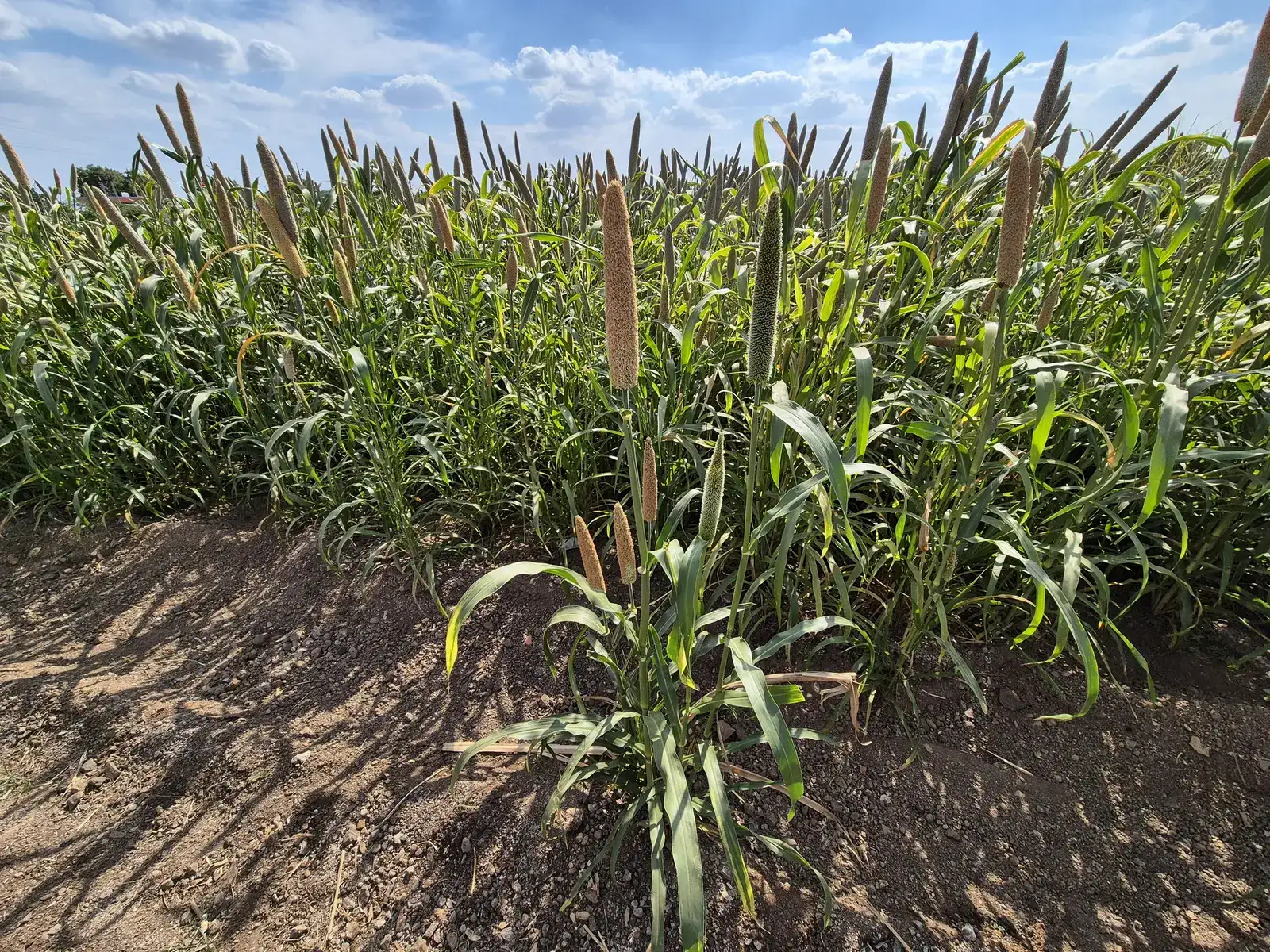
As India pushes crop diversification to improve nutrition and build climate resilience, experts argue that the country must look beyond a handful of staple crops and embrace a wider range of indigenous, protein-rich crops that have gradually disappeared from both farms and diets.
Despite being the world’s largest producer of rice, India continues to depend heavily on imports of pulses and edible oils. At the same time, many traditional crops once cultivated across regions have lost prominence, contributing to a food system that remains calorie-rich but often nutritionally inadequate.