Get all your news in one place.
100's of premium titles.
One app.
Start reading
The Conversation
The Conversation
Peter C. Mancall, Distinguished Professor and Andrew W. Mellon Professor of the Humanities, USC Dornsife College of Letters, Arts and Sciences

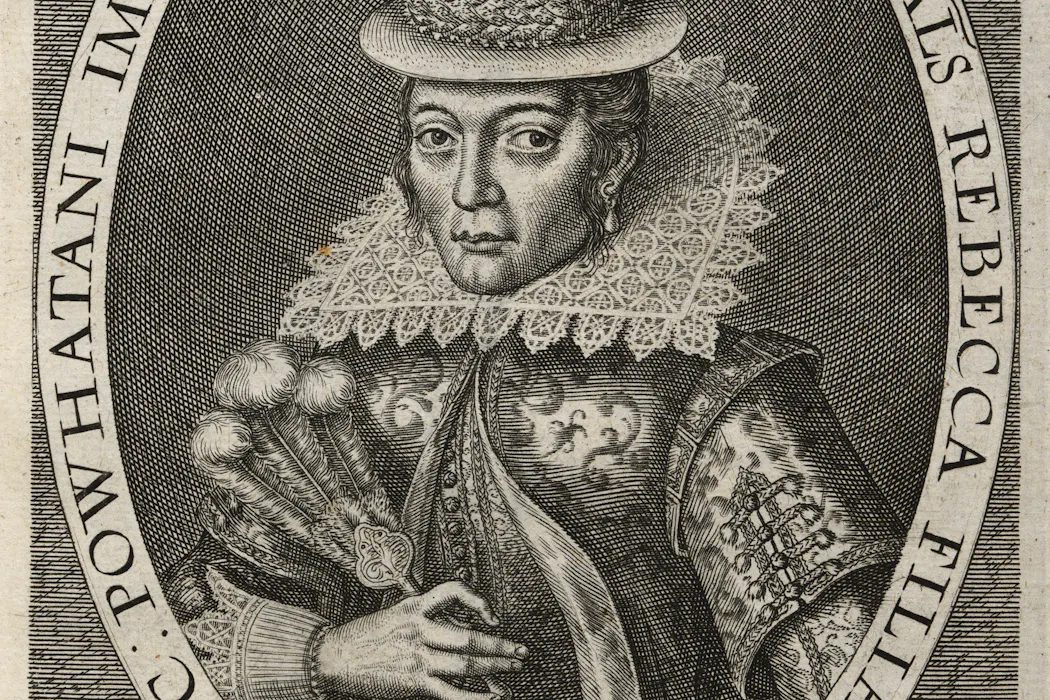
Beyond Disney: A 1616 portrait of Pocahontas shows how English colonizers saw Indigenous Americans

Simon van de Passe's 1616 engraving of Pocahontas is the only known portrait made during her lifetime. National Portrait Gallery/Wikimedia Commons

Thanks to the Walt Disney Company, Pocahontas may be the most famous Native American who lived in the 17th century. The animated film version of her early life included her speaking with a willow tree, befriending animals, singing about “the colors of the wind,” and being caught up in an ill-fated romance with Captain John Smith.

The 1995 film created an enduring visual image of Pocahontas, and contained some details drawn from the historical record, though plenty is pure fiction. Smith was, in fact, one of the English colonists who arrived in Jamestown, Virginia, soon after its founding in 1607. Pocahontas’ father Wahunsonacock – whom colonists and Disney called Powhatan – was the paramount chief of the Powhatans, who lived in communities along the edges of Chesapeake Bay and its tributaries.

Sign up to read this article
Read news from 100's of titles, curated specifically for you.
Already a member? Sign in here
Related Stories
Top stories on inkl right now
One subscription that gives you access to news from hundreds of sites
Already a member? Sign in here
Our Picks
Fourteen days free
Download the app
One app. One membership.
100+ trusted global sources.