
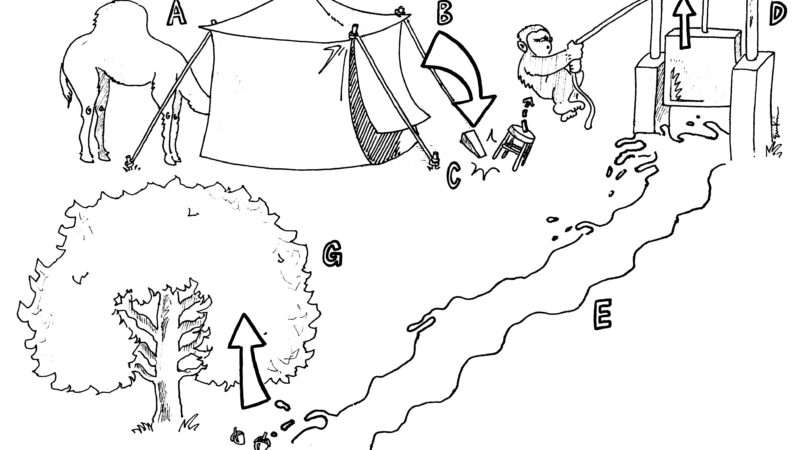
[This month, I'm serializing my 2003 Harvard Law Review article, The Mechanisms of the Slippery Slope; in last week's posts, I laid out some examples, definitions, and general observations, and turned to a specific kind of slippery slope mechanism—cost-lowering slippery slopes. This week, I've been elaborating on that; tomorrow, I'll shift to some other related mechanisms.]
The analysis so far suggests that decisionmakers—legislators, voters, advocacy groups, or opinion leaders—should consider how proposed government actions would change the costs of implementing future actions, in particular:













