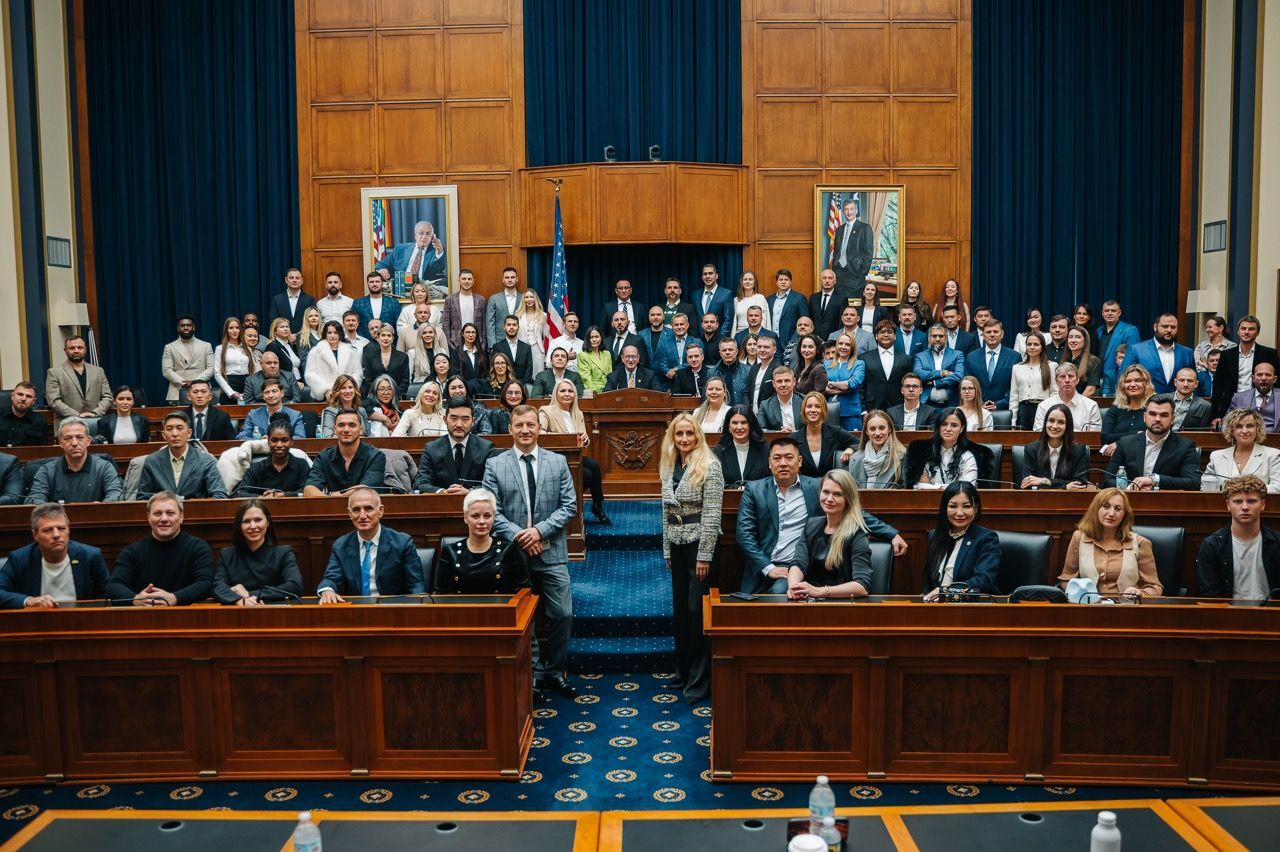
WASHINGTON, D.C. - On December 4, government and business representatives gathered to discuss the practical challenges of implementing technology. The discussion highlighted people as the key factor in achieving success. While funding for infrastructure and technology projects is sufficient, the rising demand for professionals in energy, logistics, and digital services continues to outpace their availability. The Washington Hills Summit brought together experts with the skills and readiness to scale technologies from pilot projects.
Speaking with Igor Lon, the summit’s initiator and founder of The FORCE Club, he explained that the new summit session was created after discussions with leaders in the U.S. energy sector, focused on which companies and specialists are needed.
“I want each of our business meetings to provide everyone with the maximum opportunity,” shared Lon, “for growth, for development, for transformation. We move forward together as a united team of entrepreneurs, strengthening each other and building what cannot be built alone.”
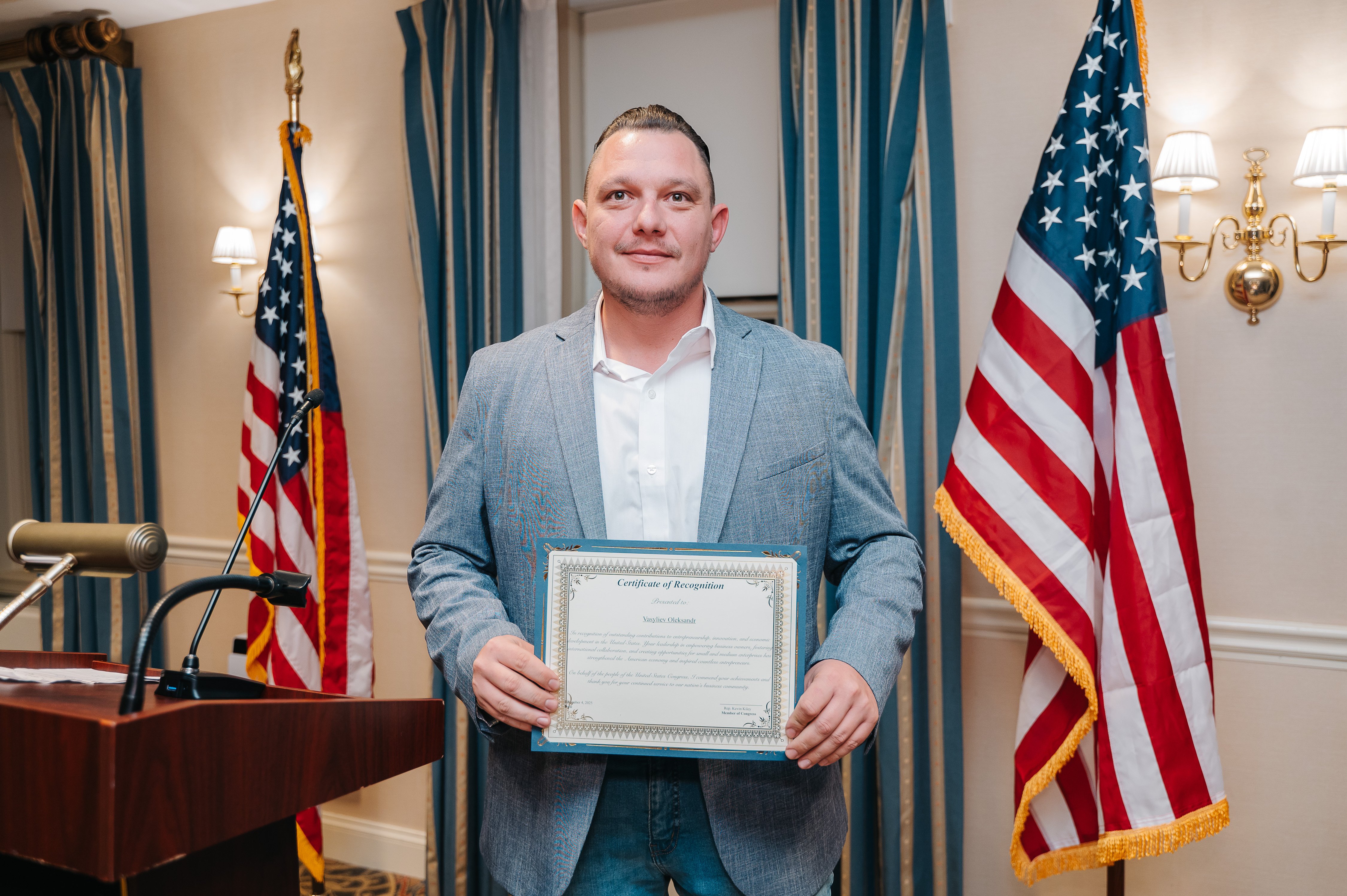
For Oleksandr Vasyliev, a seasoned tech entrepreneur, the actual stakes of the summit extend far beyond the boardroom. While the event was framed as a high-level dialogue between policymakers and industry titans, Vasyliev noted that its ultimate audience is the everyday American, those who rarely consider the systemic bottlenecks discussed in D.C., from energy deficits and labor shortages to logistical gridlock.
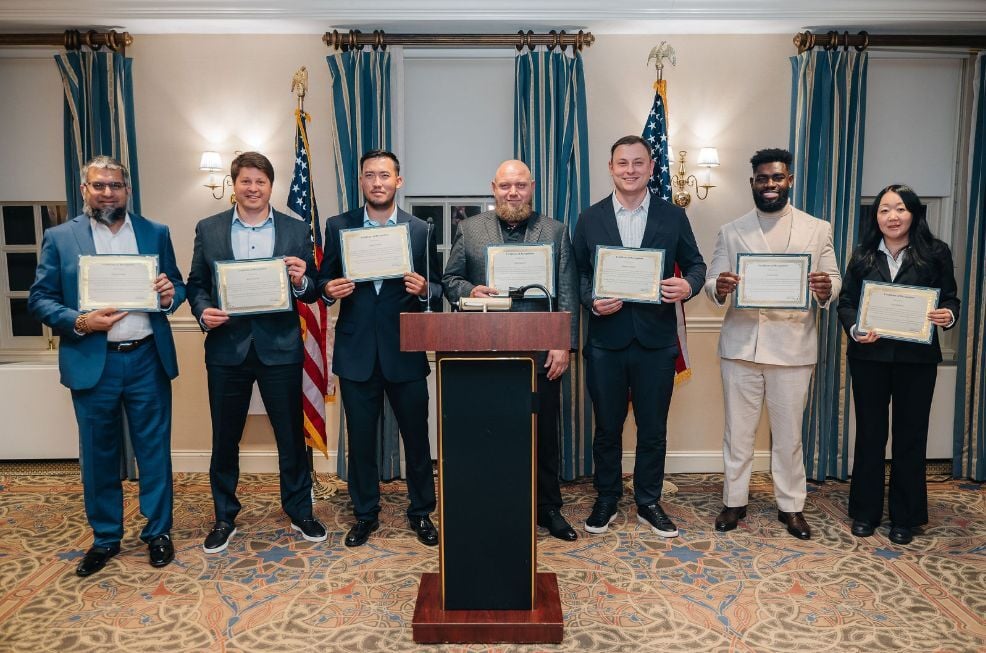
"When companies thrive, the economy strengthens, lifting wages and elevating the standard of living for everyone," Vasyliev remarked. "That is why these sessions, where business and government can candidly address both their breakthroughs and their hurdles, are vital for securing sustainable economic growth today."
Congressman Brad Sherman and Bob Holste, Chief of Staff to Rep. Kevin Kiley represented the federal apparatus. Their presence signaled a clear mandate from Washington: a call for strategic synchronization between the private sector and the state to bypass the obstacles hindering America’s exponential technological and economic trajectory. The congressional representatives expressed a readiness to champion legislation designed to help U.S. enterprises break through existing ceilings in the development and deployment of cutting-edge technologies.
However, political will requires a practical roadmap. That task fell to Temur Yakobashvili, the veteran diplomat and political scientist. Drawing on his deep experience as Georgia’s former Ambassador to the U.S., Yakobashvili demystified the labyrinth of federal support programs. He moved past political rhetoric to provide a pragmatic guide on eligibility and operational realities, explaining which government-backed initiatives actually deliver results for scaling firms.
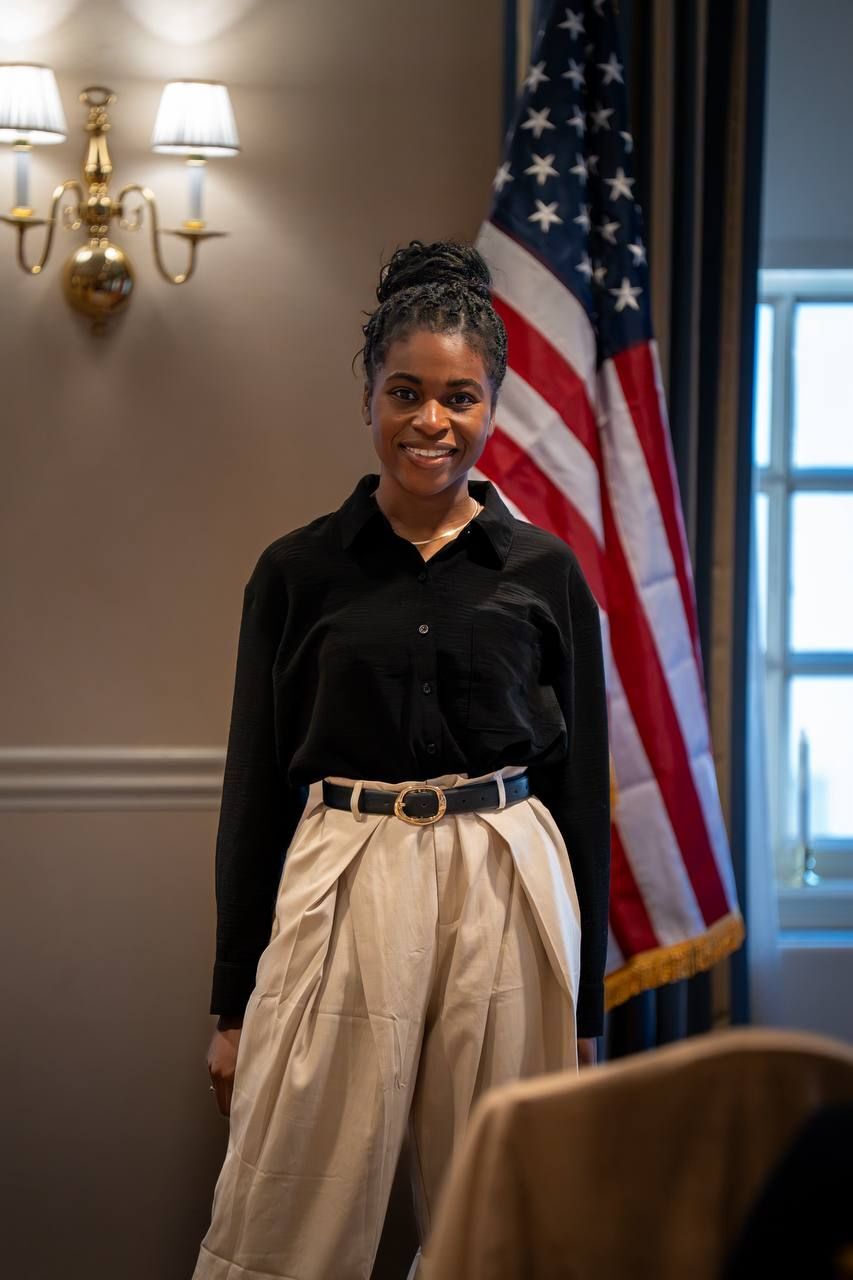
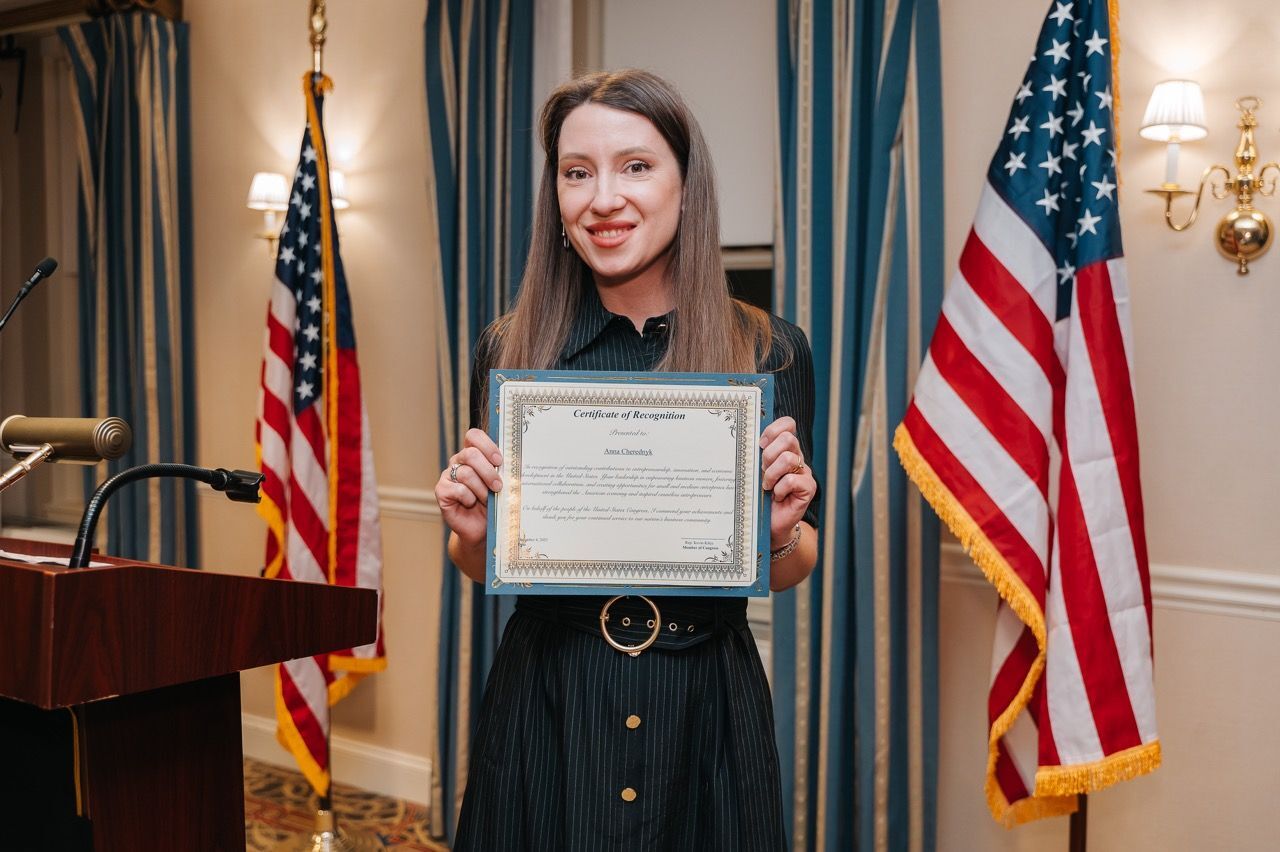
The summit also highlighted the diversity of the American entrepreneurial engine. Aisa Badmaeva, founder of Ochirova Photography, emphasized the importance of close cooperation between government and business in creating opportunities and strengthening local communities. She added that state-level recognition of business achievements encourages entrepreneurs to “grow responsibly,” invest in innovation, and contribute meaningfully to the country’s cultural and economic life. Anna Cherednyk, an international hospitality executive and creator of the Operational Efficiency Index (OEI), observed a "genuine openness" from public institutions to engage directly with the private sector. Meanwhile, costume designer and researcher Anna Petrovska emphasized that the fashion and creative manufacturing sectors are equally hungry for scalable, technology-driven solutions that can compete on a global stage.
As the summit concluded, the message was clear: America’s technological future will not be determined by the height of its skyscrapers or the speed of its processors, but by its ability to coordinate human talent. The Washington Hills Summit proved that when the "architects of law" and the "engineers of the economy" speak the same language, the path forward becomes significantly clearer.