Bed bugs torment Trump administration's USDA office after a recurring infestation was reported inside the US Department of Agriculture's George Washington Carver Center in Beltsville, Maryland. The building is home to the Animal and Plant Health Inspection Service (APHIS), a federal agency responsible for protecting American agriculture from invasive pests and diseases. The infestation led to fumigation efforts, employee telework periods, complaints about treatment-related fumes, and renewed concerns after bed bugs returned. USDA officials have explained the steps taken to address the problem and have outlined new measures aimed at eliminating the infestation from the facility.
Bed bug problem discovered inside USDA facility
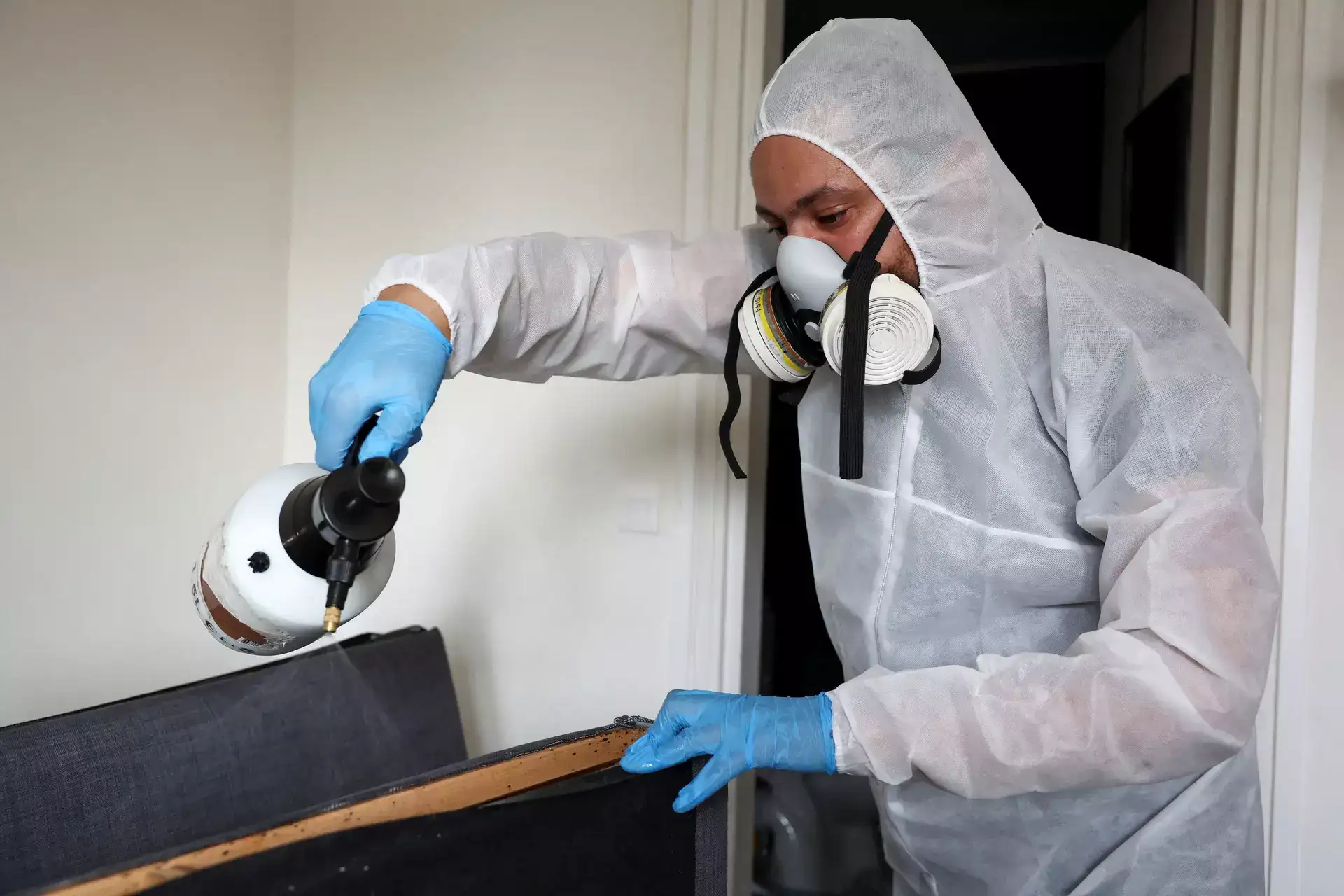
The issue began in mid-May when bed bugs were discovered inside the George Washington Carver Center in Beltsville, Maryland. According to reports, USDA management responded by sending APHIS employees home and allowing them to work remotely for several days. During that period, the building underwent fumigation and pest treatment procedures designed to eliminate the infestation.
The response reflected the seriousness of the situation, especially because the facility houses a federal agency that works to combat invasive pests and protect agricultural resources across the United States. Workers expected the treatment process to solve the problem and allow operations to resume normally once they returned to the office.
Employees reported concerns after treatment
Following the fumigation process, employees were allowed to return to the building. However, workers reportedly experienced problems after coming back to the office. Some employees complained of sickness linked to fumes that remained in the building after treatment. The reported offgassing led USDA officials to authorize another period of telework. Employees were again sent home while concerns related to the treatment process were addressed.
The situation created frustration among workers who had already experienced disruption due to the original infestation and subsequent pest control measures. One employee described the sequence of events by saying that the building was treated, workers were sent home because of offgassing concerns, employees later returned, and then bed bugs appeared again.
Bed bugs torment Trump administration's USDA office as infestation returns
The situation became more complicated when bed bugs were reported again last week. The reappearance of the pests raised questions about whether the original treatment had fully resolved the problem. Unlike the earlier response, USDA has not approved another broad telework period following the latest reports of bed bugs.
Employees who do not want to report to the office have reportedly been instructed to use their own vacation leave if they choose not to come to work. The decision has become a point of concern for some workers who remain worried about the infestation and workplace conditions. USDA officials have continued to focus on mitigation efforts while maintaining office operations inside the building.
USDA points to personal belongings left in offices
In an email sent to staff on Friday, APHIS Acting Chief Operating Officer Carson Hawley addressed the resurgence of bed bugs. According to Hawley, the return of the infestation was linked to insufficient compliance involving personal items that remained inside offices during treatment efforts. Employees were instructed to place personal belongings into garbage bags and remove those items from the building.
The goal of the directive is to allow pest control teams to gain access to workspaces and conduct treatment procedures without obstacles. Hawley thanked employees for their cooperation and emphasized the importance of compliance in helping make Building 3 free of bed bugs. The communication highlighted management's position that successful treatment depends not only on professional pest control efforts but also on employee participation.
USDA explains steps taken to address infestation
A USDA spokesperson stated that the agency acted quickly after the infestation was first identified. According to the spokesperson, USDA took prompt action several weeks ago and implemented measures designed to eliminate the pests. The agency also indicated that personal belongings left behind in office spaces contributed to continuing challenges during mitigation efforts.
Officials said APHIS management is working with employees to ensure office areas are cleared so treatment can be carried out effectively. USDA has maintained that it is continuing efforts to resolve the problem and restore normal workplace conditions. The agency's statements suggest that management believes cooperation between employees and pest control personnel will be necessary to fully eliminate the infestation.
Why APHIS plays an important role within USDA?
The infestation has attracted attention because it occurred inside a building occupied by the Animal and Plant Health Inspection Service. APHIS is one of the most important agencies within the US Department of Agriculture. Its mission includes protecting American agriculture, natural resources, and the public from threats posed by invasive pests, plant diseases, and animal diseases. The agency monitors outbreaks and responds to situations that can affect farming, food production, livestock, and ecosystems.
Among the issues handled by APHIS are avian influenza, commonly known as bird flu, and New World screwworm outbreaks. APHIS also works with state agencies, agricultural organizations, and international partners to prevent harmful pests and diseases from spreading. Because the agency's work focuses on combating biological threats, the presence of a bed bug infestation inside one of its facilities has generated public interest.
Ongoing efforts to eliminate the infestation
USDA officials continue to work toward removing bed bugs from the George Washington Carver Center. The agency has emphasized the importance of clearing workspaces and removing personal items so treatment can be completed properly. Employees have been informed of the procedures required to support mitigation efforts.
At the same time, concerns remain among some workers regarding the recurrence of the infestation and the decision not to authorize another telework period. The coming weeks will determine whether the latest measures are successful in eliminating the pests and preventing another outbreak. For now, USDA management and APHIS employees continue working through the challenges created by the recurring infestation at the Maryland facility.
FAQs
Q1. Why did bed bugs return to the USDA office after treatment?
USDA officials said personal belongings left in offices limited treatment efforts. Management believes these items contributed to the return of bed bugs and has ordered employees to remove belongings.
Q2. What does APHIS do within the US Department of Agriculture?
APHIS protects agriculture, natural resources, livestock, plants, and the public from invasive pests and diseases. The agency responds to threats including bird flu outbreaks and New World screwworm cases.