
Get all your news in one place.
100's of premium titles.
One app.
Start reading
Frugal Gardening
Frugal Gardening
Brandon Marcus

Beat Grocery Inflation: The 5 Most Expensive Vegetables to Buy (And Easiest to Grow)

Image source: Shutterstock.com

The grocery bill no longer whispers bad news—it shouts it from the receipt. Prices climb, portions shrink, and that once-innocent produce aisle now feels like a financial obstacle course. Yet hidden inside that frustration sits a surprisingly satisfying solution, one that trades frustration for control and turns a backyard, balcony, or even a windowsill into a money-saving machine.

Fresh vegetables don’t just taste better when grown at home—they feel like a quiet victory. Every tomato picked, every leafy green snipped, chips away at rising costs while delivering flavor that store shelves rarely match. Some of the most expensive vegetables at the store also rank among the easiest to grow, which flips the script entirely. That means less stress at checkout and more pride at harvest, all without needing a farming degree or acres of land.

1. Tomatoes That Cost a Fortune but Grow Like Champions

Tomatoes sit at the top of the grocery inflation hall of fame, especially varieties like cherry, heirloom, or vine-ripened options that demand premium prices. A small carton can feel like a splurge, and those costs add up fast when meals rely on fresh ingredients. Yet tomatoes thrive in home gardens with minimal fuss, and they reward even beginner gardeners with generous harvests. A single healthy plant can produce pounds of fruit over a season, turning a small upfront investment into weeks of supply.

Growing tomatoes requires sunlight, consistent watering, and a bit of support as the plant climbs and spreads. Containers work just as well as garden beds, which opens the door for apartment dwellers or anyone with limited outdoor space. Choosing disease-resistant varieties increases success rates and keeps maintenance simple. Once the plant starts producing, tomatoes ripen quickly, which means a steady stream of fresh additions for salads, sauces, and snacks. That constant output transforms a once-expensive grocery item into a reliable, homegrown staple.

Tomatoes also offer flexibility that grocery store versions can’t match. Gardeners can pick them at peak ripeness instead of settling for underwhelming store-bought options picked early for transport. That difference shows up immediately in flavor, texture, and overall satisfaction. With just a little care, tomatoes shift from budget burden to backyard hero.

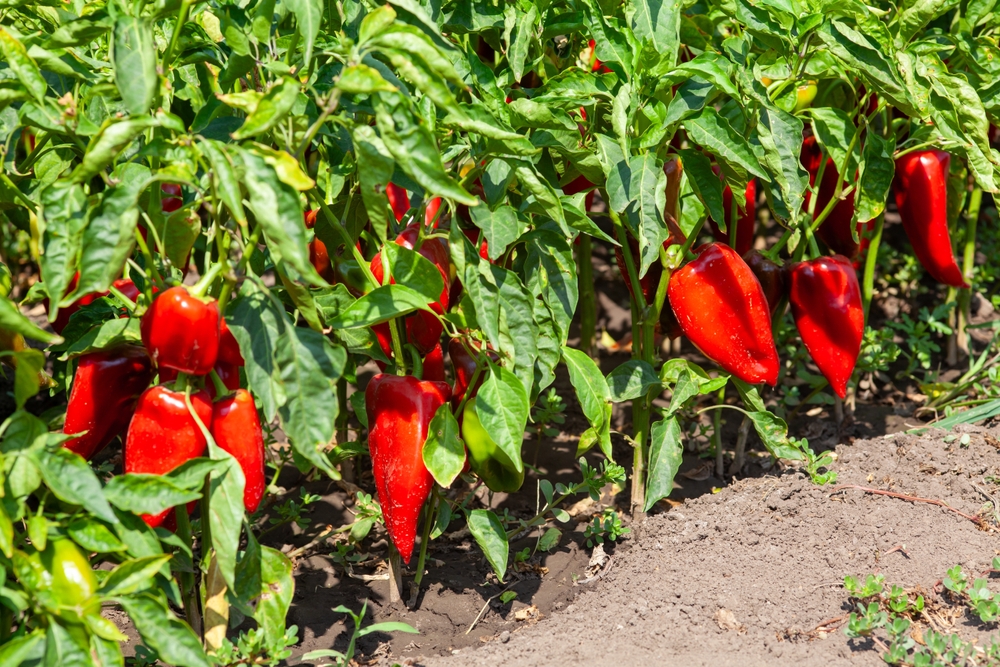
2. Bell Peppers That Drain Wallets but Thrive in Warm Soil

Bell peppers often carry price tags that feel oddly high for something so common. Red, yellow, and orange varieties especially tend to cost more than their green counterparts due to longer growing times. Buying a few for a single recipe can feel excessive, especially when prices spike during off-seasons. Growing them at home solves that problem while delivering a steady supply of vibrant, crunchy produce.

Peppers love warmth, sunlight, and patience, but they don’t demand constant attention. A single plant can produce multiple peppers over time, and with the right conditions, it keeps going strong throughout the season. Starting with seedlings instead of seeds speeds up the process and reduces guesswork for beginners. Containers work well here too, making peppers a great choice for patios and balconies.

The payoff comes not just in quantity but in quality. Homegrown peppers develop richer sweetness and better texture compared to store-bought versions that travel long distances. Harvesting them at different stages also offers variety, since green peppers eventually turn red, yellow, or orange if left on the plant. That means one plant can deliver multiple flavor profiles, stretching value even further.

3. Leafy Greens That Add Up Fast but Grow at Lightning Speed

Spinach, kale, arugula, and mixed salad greens might seem affordable at first glance, but frequent purchases quickly add up. These delicate vegetables spoil fast, which leads to waste and more trips to the store. Growing leafy greens at home flips that cycle completely, offering a continuous supply that stays fresh until the moment it’s picked.

Leafy greens grow quickly, often reaching harvest size in just a few weeks. They don’t require deep soil, which makes them perfect for shallow containers, window boxes, or small garden plots. Many varieties allow for a “cut and come again” approach, where trimming leaves encourages the plant to keep producing. That cycle can repeat multiple times, stretching a single planting into weeks of harvest.

Consistent watering and partial sunlight keep these greens happy, especially in warmer climates where intense heat can stress the plants. Planting in succession—adding new seeds every couple of weeks—ensures a steady flow instead of one large harvest. That strategy keeps salads fresh, reduces waste, and eliminates the need for constant grocery runs. Over time, those savings stack up while meals become noticeably fresher.

4. Zucchini That Feels Overpriced but Produces Like Crazy

Zucchini might not always top the price charts, but it often delivers surprisingly poor value at the store given how easy it grows at home. One or two plants can produce more zucchini than most households can handle, which turns this vegetable into one of the most rewarding options for home gardening. Paying for it at the store starts to feel unnecessary once that reality sets in.

Zucchini plants grow quickly and spread wide, so they need space or large containers to thrive. They love warm weather and consistent watering, and they respond with rapid growth once conditions align. Flowers appear early, followed by a steady stream of fruit that seems to multiply overnight. Checking plants daily during peak season prevents oversized zucchini and ensures the best texture and flavor.

The versatility of zucchini adds another layer of value. It works in savory dishes, baked goods, and even as a low-carb substitute for pasta. That flexibility means homegrown zucchini rarely goes to waste, especially when creativity steps in. With such high yields and low effort, zucchini transforms from a forgettable grocery purchase into a standout garden essential.

5. Fresh Herbs That Cost a Premium but Grow Almost Anywhere

Herbs often hide in plain sight as one of the most overpriced items in the produce section. Small packages of basil, cilantro, parsley, or mint can cost more than expected, especially considering how quickly they wilt. Growing herbs at home eliminates that cycle while adding fresh flavor to everyday meals.

Herbs thrive in small spaces, which makes them ideal for windowsills, kitchen counters, or compact outdoor areas. Many varieties grow well in pots, and some even flourish indoors year-round with enough light. Regular trimming encourages growth, which means the more often herbs get used, the more they produce. That creates a perfect loop of convenience and savings.

Different herbs bring different benefits, but most require minimal care beyond sunlight and occasional watering. Basil loves warmth and frequent harvesting, while mint grows so aggressively it often needs containment. Parsley and cilantro prefer cooler conditions, which makes them great for extending the growing season. With a small collection of herbs, meals gain freshness and complexity without adding extra cost at checkout.

Image source: Shutterstock.com

Turning Rising Prices Into Growing Power

Grocery inflation doesn’t slow down just because frustration builds, but that doesn’t mean control disappears completely. Growing high-cost vegetables at home shifts the balance in a powerful way, turning everyday expenses into long-term savings. It also adds a layer of satisfaction that no grocery trip can match, especially when meals come together with ingredients picked just moments before cooking.

Starting small keeps the process manageable and enjoyable. A few containers, quality soil, and the right plants can kick off a productive setup without overwhelming effort. As confidence grows, expanding the garden becomes easier and more rewarding. Each successful harvest builds momentum and reduces reliance on expensive store-bought produce.

Which of these vegetables would make the biggest difference in your kitchen, and what strategies or ideas would you add to make the most of every harvest? Give us your thoughts and tips in the comments.

You May Also Like…

5 Budget Vegetable Patch Designs for Small Yards

Why Some Residents Are Being Fined for Growing Vegetables in the Front Yard

Why Some Cities Are Cracking Down on Front Yard Vegetable Gardens Again

This Unusual Vegetable Is Making a Comeback in Small Yards

8 Root Vegetables That Sweeten After Frost

The post Beat Grocery Inflation: The 5 Most Expensive Vegetables to Buy (And Easiest to Grow) appeared first on Frugal Gardening.

Sign up to read this article
Read news from 100's of titles, curated specifically for you.
Already a member? Sign in here
Related Stories
Top stories on inkl right now
One subscription that gives you access to news from hundreds of sites
Already a member? Sign in here
Our Picks
Fourteen days free
Download the app
One app. One membership.
100+ trusted global sources.







