
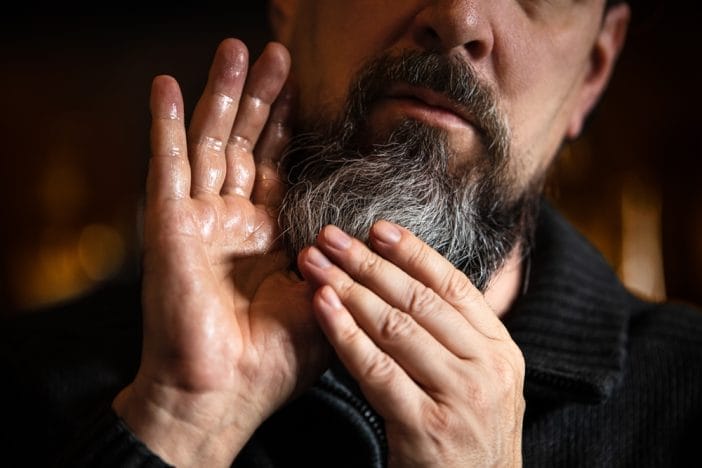
Beard oils promise a soft, shiny mane that smells like a forest after a fresh rain, but not every drop plays nice with your skin. Some oils and additives can turn a dream beard into a breakout nightmare. That smooth, polished look might come at the cost of clogged pores, angry pimples, and irritation that nobody wants sitting in the middle of their face.
Understanding what’s inside the bottle matters far more than the packaging or scent. Beard oils can moisturize, protect, and even tame unruly hair, but certain ingredients quietly sabotage skin health. Knowing which oils trigger trouble and why gives control back to the person trying to rock facial hair without turning it into a dermatology problem.

The Oil Culprits That Love to Clog
Not all oils are created equal, especially when it comes to facial skin. Heavy oils such as coconut oil, wheat germ oil, and cocoa butter can provide deep hydration, but their comedogenic tendencies make them a hotspot for blocked pores. When sebum mixes with these thick oils, the result can be blackheads, whiteheads, or full-blown acne outbreaks along the jawline and cheeks.
The problem doesn’t appear immediately for everyone, which makes it easy to blame hormones or stress instead of the oil saturating the beard. The longer these oils sit against skin prone to breakouts, the more likely they are to trap dirt and dead skin cells in a pore trap. Facial hair itself acts like a wick, pulling oil and debris closer to the skin. That combination creates a cozy environment for bacteria and inflammation, which is exactly what pimples love.
Lightweight, non-comedogenic oils often offer a safer route. Argan oil, jojoba oil, and grapeseed oil moisturize without suffocating pores. When choosing a beard oil, checking the ingredient list is more effective than trusting labels that claim “non-greasy” or “for sensitive skin.” Avoiding oils with high comedogenic ratings can prevent acne before it starts. Even small substitutions can change how the skin responds over time.
Using oils strategically matters as well. Applying a small drop to damp hair allows it to spread evenly while minimizing direct contact with skin. That technique keeps hair soft, nourished, and fragrant without overwhelming the pores. For beards that tend to trap heavier oils, applying only to the hair tips instead of the base can drastically reduce skin reactions.
Fragrance and Additives: Sneaky Skin Villains
Beard oils often boast head-turning scents, but those fragrances can be troublemakers. Synthetic fragrances, essential oils in high concentration, and chemical stabilizers can all irritate sensitive skin or trigger allergic reactions. Even a tiny amount can lead to redness, itching, or small breakout clusters around the mouth and cheeks.
Essential oils like clove, cinnamon, or citrus, when used in large amounts, carry a risk of photosensitivity. That means the skin can react strongly to sunlight, creating irritation or even dark spots. The pleasant smell might hide a hidden trigger that flares only after hours in the sun or under harsh lighting.
Chemical preservatives such as parabens, formaldehyde releasers, and sulfates can also create subtle inflammation. While these ingredients prolong shelf life, they sometimes provoke minor skin trauma that escalates into pimples or bumps over time. A patch test can catch reactions before they spread across the beard, saving both the skin and the hair from unnecessary stress.
Many people find that fragrance-free or lightly scented oils reduce problems drastically. Natural essential oils like lavender or tea tree can help when diluted properly, but anything strong enough to dominate the scent profile could also dominate skin responses. Dilution, moderation, and testing small areas of skin make a big difference when juggling beard maintenance with breakout prevention.
Application Techniques That Keep Pores Happy
Even the best oil can misbehave if applied incorrectly. Smearing a generous glob straight onto the face might feel luxurious, but excess oil has nowhere to go. It sits on the skin, combines with dead skin cells, and provides a breeding ground for clogged pores. Small, measured amounts spread evenly over the hair usually work better than an all-at-once approach.
Applying oil after washing the beard helps, too. Clean, slightly damp hair absorbs oil more efficiently and reduces the chance of trapping grime against the skin. Using fingertips instead of a brush keeps pressure minimal and prevents pulling or irritating hair follicles. For longer beards, spreading the oil from mid-length to tips rather than starting at the base can dramatically reduce pore contact.
Routine also matters. Over-oiling daily may feel indulgent, but it can overstimulate sebaceous glands, producing excess sebum that contributes to breakouts. Rotating oils, alternating application frequency, and observing how the skin responds over time can identify the sweet spot for hydration without irritation. A little patience goes a long way in maintaining both beard softness and clear skin.

When Breakouts Signal It’s Time to Switch
Persistent acne under the beard is a warning sign that an oil isn’t compatible with the skin. Frequent flare-ups, redness, or clogged pores indicate the need for a different formulation or a lighter alternative. Switching to non-comedogenic oils or fragrance-free blends often resolves the problem without losing beard shine.
Exfoliation also plays a role. Gentle cleansing a few times a week prevents dead skin buildup that can mix with oils to form comedones. Combining proper cleansing with smarter oil selection creates a system that keeps both hair and skin healthy. Ignoring breakouts allows minor issues to escalate into more severe acne or folliculitis, which is a more intensive skin problem.
Monitoring skin response closely makes a huge difference. Even if an oil promises luxurious hair and glowing skin, the skin underneath has the final say. Adjustments in ingredients, application, and routine can reduce flare-ups while preserving beard health. Being proactive rather than reactive transforms grooming into a truly satisfying and low-stress experience.
The Hair-Skin Balance That Works
A healthy beard doesn’t have to come at the expense of healthy skin. Understanding which oils clog pores, which fragrances irritate, and how application technique affects results allows anyone to maintain a soft, full beard without inviting breakouts. The combination of clean skin, lightweight oils, careful application, and occasional exfoliation forms a balanced routine that keeps both hair and skin thriving.
What ingredients or application strategies have helped maintain a soft, healthy beard without triggering breakouts? Share your experiences, favorite oils, and techniques in the comments section and add to the conversation about healthy beard care.
You May Also Like…
From Beard Oil to Skin Serums: Trending Grooming Products Men Are Buying Now
10 Beard Habits Men Picked Up This Year That Women Call Instant Icks
5 Beard Styles That Women Secretly Hate
5 Times Your Beard Made You Look Homeless
The post Beard Oils Can Trigger Breakouts and These Ingredients Cause Trouble appeared first on Clever Dude Personal Finance & Money.