A GROUP of apprentices at BBC News have been told they can no longer expect the jobs they had been promised amid sweeping cuts at the corporation.
Apprentices working with BBC News were told that “exceptional circumstances” meant the broadcaster could no longer stand by its pledge to find them permanent positions, The Guardian reported.
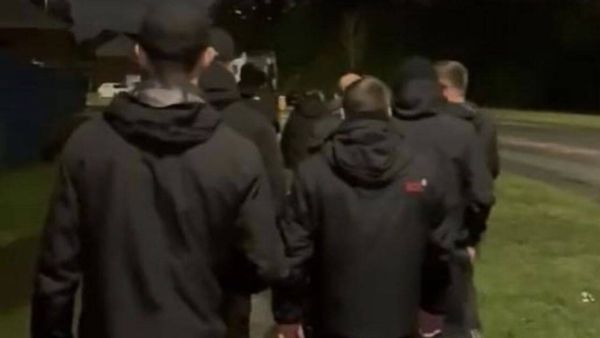
The decision is said to affect some of those currently finishing their apprenticeships, which cover graduates and school leavers, with around 20 people affected overall.
The BBC's new director-general Matt Brittin informed staff earlier this year that up to 2000 jobs will be cut in the coming months to deliver £500 million of savings.
At an emergency meeting at the end of August, it is understood the apprentices were told that the job cuts on the way meant it was unfair to guarantee them a role, but their scheme has been extended until December to give them time to prepare.
A source told The Guardian: "For a place that prides itself on honesty and integrity, it feels pretty dishonest.”
Apprentices are often selected for coming from non-traditional backgrounds to increase the diversity of the BBC’s workforce.
Some say because of this it is a scheme that should have been protected from cuts.
An insider said: "How are we signalling there’s still a future of the BBC if we’re cutting all the people that we’ve promised jobs to.
"For me, it says a lot about the people that have been protected. There’s just so much middle management.
“Morally, we should be investing in young people to come and work here."
Brittin admitted last week at the Edinburgh TV festival he was not aware of the “severity” of the cuts the organisation must make.
He said that “every media organisation is struggling with rapidly changing consumer behaviour and the power of the AI revolution”.
However, he conceded he saw the BBC as being “inward looking”.
Brittin has previously said the corporation is “held back” by its TV licence fee which is “no longer fit for purpose”, and he has suggested a household levy as a potential funding option.
The standard TV licence costs £180 per year and is legally required to watch or record television on any channel or service, watch live on streaming services or to use BBC iPlayer.
Adjusted to today’s prices, the BBC’s licence fee income for the 2016/17 financial year was £5.22 billion, but for the financial year 2025/2026 it sat at £3.88 billion – a loss of £1.34 billion, or 26%.
The corporation has already announced 550 job cuts in news, nations and TV and radio content as part of the first stage in its savings plan. The BBC has about 21,500 full-time employees in total.