Get all your news in one place.
100’s of premium titles.
One app.
Start reading
The Free Financial Advisor
Brandon Marcus

Bankrate Projects Credit Card Rates Will Only Drop to 19.1% by End of 2026

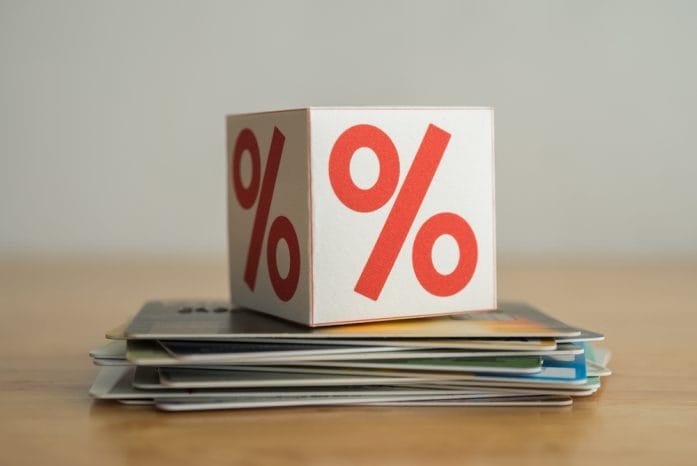
Image source: shutterstock.com

Credit card interest rates have a way of grabbing your attention, especially when they’re hovering near historic highs and showing no signs of returning to the gentler levels of years past. Even with the Federal Reserve signaling a shift toward lower rates, the relief many consumers are hoping for simply isn’t on the horizon.

Bankrate’s latest projections show that average credit card APRs may only dip to around 19.1 percent by the end of 2026. That’s a decline, yes—but a tiny one, especially when compared to how dramatically rates climbed over the last few years. For anyone carrying a balance, this forecast is a wake‑up call: waiting for interest rates to save you isn’t a sound strategy.

The Drop That Barely Feels Like a Drop

When Bankrate released its forecast showing credit card APRs falling only to about 19.1 percent by late 2026, it underscored a reality that many consumers already feel: credit card debt is still expensive, and it’s going to stay that way.

Even after several Federal Reserve rate cuts in 2025, average credit card rates barely budged, ending the year around 19.7 percent. That’s only about a percentage point below the record highs set in 2024. The reason for this stubbornness is simple—credit card rates are tied closely to the prime rate, but they also reflect lenders’ appetite for risk.

With consumer debt levels elevated and delinquencies rising, lenders aren’t eager to slash APRs. So while the Fed may continue trimming rates, credit card companies are likely to move slowly, keeping APRs high enough to offset risk and maintain profitability. For consumers, that means the cost of carrying a balance will remain steep for the foreseeable future.

Why Credit Card Rates Stay High Even When the Fed Cuts

It’s easy to assume that when the Federal Reserve cuts interest rates, credit card APRs should fall in lockstep. But the reality is far more complicated. Credit cards are unsecured debt, which means lenders have no collateral to seize if a borrower defaults. That makes them inherently risky, and lenders price that risk into the APR. Even when the Fed lowers short‑term rates, credit card companies may choose to keep margins wide to protect themselves from rising delinquencies or economic uncertainty.

In recent years, inflation, higher household expenses, and increased borrowing have all contributed to a more cautious lending environment. As a result, credit card rates have remained elevated even as other borrowing costs—like personal loans or auto loans—have shown more movement. This disconnect explains why Bankrate’s projection of 19.1 percent isn’t surprising. It reflects a market where lenders are prioritizing stability over generosity.

What This Means for the Average Cardholder

For the millions of Americans carrying credit card balances, a 19.1 percent APR still represents a significant financial burden. High interest rates make it harder to pay down debt, especially when only minimum payments are made. Even small balances can balloon over time, turning manageable debt into a long‑term financial obstacle. This is why understanding the implications of Bankrate’s forecast is so important.

If rates are going to remain high, consumers need to adjust their strategies accordingly. That might mean prioritizing debt repayment more aggressively, exploring balance transfer offers, or consolidating debt into lower‑interest products. It also means being more intentional about how credit cards are used—reserving them for planned purchases rather than relying on them to fill budget gaps.

Image source: shutterstock.com

Strategies to Stay Ahead of High APRs

The good news is that consumers aren’t powerless in the face of stubbornly high credit card rates. One of the most effective strategies is to focus on paying down the highest‑interest balances first, a method often called the avalanche approach. This reduces the amount of interest paid over time and accelerates debt elimination. Another option is to take advantage of 0 percent APR balance transfer offers, which can provide a window of relief if used strategically.

For those with strong credit, personal loans may offer lower fixed rates and a clear payoff timeline. It’s also worth contacting your credit card issuer directly—some lenders are willing to reduce APRs for long‑time customers with good payment histories. Beyond these tactics, building a stronger emergency fund can help reduce reliance on credit cards during unexpected expenses. The key is to stay proactive rather than waiting for the rate environment to improve on its own.

A New Era of Expensive Credit

Bankrate’s projection isn’t just a number—it’s a signal that the era of cheap credit is firmly behind us. For years, consumers enjoyed historically low interest rates across many financial products, but that landscape has shifted. Credit card APRs are now among the highest of any mainstream borrowing option, and they’re likely to stay elevated even as other rates decline.

This new reality requires a mindset shift. Instead of viewing credit cards as a flexible financial tool, consumers may need to treat them more cautiously, recognizing the long‑term cost of carrying balances.  The more informed consumers are about how credit card rates work and why they remain high, the better equipped they’ll be to navigate this challenging environment.

High Rates Demand High Awareness

Credit card rates may inch downward over the next couple of years, but Bankrate’s projection makes one thing clear: meaningful relief isn’t coming anytime soon. With APRs expected to remain around 19.1 percent, consumers need to approach credit card use with more strategy, more caution, and more awareness than ever before. The cost of borrowing is still high, and the best defense is a proactive plan to manage or eliminate debt. The financial landscape may be shifting, but your ability to adapt can make all the difference.

What steps are you taking to manage credit card debt in today’s high‑rate environment? Talk about your plans in the comments section below.

You May Also Like…

Credit Card Delinquencies Expected to Remain Flat in 2026 Says TransUnion

The Credit Score Range That Gets You 17%–21% APR on Credit Cards Right Now

The Single Late Payment That Raises APR to 29.99% Permanently at Discover

Retail Store Credit Cards Now Charging 30% APR on Average

Why Credit Card APRs Only Dropped 0.35% Even After Three Fed Rate Cuts in 2025

The post Bankrate Projects Credit Card Rates Will Only Drop to 19.1% by End of 2026 appeared first on The Free Financial Advisor.

Sign up to read this article
Read news from 100’s of titles, curated specifically for you.
Already a member? Sign in here
Related Stories
Top stories on inkl right now
One subscription that gives you access to news from hundreds of sites
Already a member? Sign in here
Our Picks
Fourteen days free
Download the app
One app. One membership.
100+ trusted global sources.