Leisure spending is shifting toward experiences, international tourism export revenue hit a record in 2024, and Bali logged an all-time high for foreign arrivals in 2025. For crafters, that mix creates a useful opening: a villa stay can double as a calm work base while the island's textile traditions add cultural depth that standard beach itineraries miss.
For travelers who knit, crochet, weave, or sketch textile ideas on the road, Bali offers more than scenery. It combines a strong short-term rental market, village weaving heritage, and enough practical infrastructure to support a week or two of focused making.
Key Takeaways
The trip works best when you plan around workspace, climate, and local context, not just price.
- Global tourism revenues set a 2024 record, and international arrivals rose another 5% in early 2025, showing that experience-led leisure demand remains strong.
- Bali's foreign arrivals reached about 6.95 million in 2025, which puts pressure on high-quality rentals and makes early booking more important.
- Passion-led travel is now a mainstream booking pattern. Major travel platforms report stronger demand for trips built around hobbies and self-expression.
- Breathable plant fibers, compact tools, and shaded work areas suit Bali's heat and humidity better than bulky wool projects.
- Bali's IDR 150,000 tourist levy is mandatory, and knitting needles are generally allowed in carry-on bags, though final airport decisions rest with screening officers.
What Is "Creative Craft Travel," and Why Now?
Creative craft travel turns the making process into the reason for the trip, not just a way to fill spare time.
It means building hands-on work into the itinerary from the start. Travelers choose destinations for textile heritage, book rooms with tables and shade, and treat studio visits as core stops rather than optional extras.
The timing is not random. Global tourism export revenues reached roughly USD 2.0 trillion in 2024, a record high, and international arrivals grew another 5% year on year in the first quarter of 2025. BCG expects leisure travel spending to rise from about USD 5 trillion in 2024 to roughly USD 15 trillion by 2040.
Mastercard Economics Institute found that travelers are adding about one extra day to trips on average and putting more money toward memorable experiences than goods. Booking.com's 2025 travel outlook points in the same direction, with more travelers seeking trips shaped by personal interests.Fiber arts fit that shift well because tools are portable and the cultural context can be rich.
Why Bali Works for Makers
Bali stands out because craft heritage and travel infrastructure sit unusually close together.
The island recorded about 6.95 million foreign tourist arrivals in 2025, up 9.72% from the previous year and a new high. That growth signals strong demand, but it also means quiet stays in areas like Ubud and Sidemen can fill fast, especially when travelers want more than a bed and a pool.
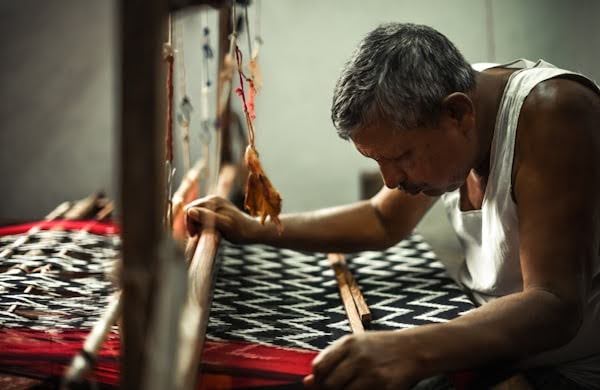
The cultural depth is the stronger argument. Geringsing, a rare form of double ikat in which both sets of threads are patterned before weaving, is made only in Tenganan Pageringsingan and carries ceremonial value in Balinese tradition. Buying from weavers or village cooperatives supports a living practice rather than a souvenir supply chain.
Studios around Ubud and Sidemen widen the range. Not every workshop is listed online, but local guides and in-person inquiries can still lead to informal demonstrations and conversations with artisans.
That heritage sits alongside practical infrastructure. Airbnb says longer stays and remote-work habits continue to shape bookings, with Wi-Fi, kitchens, and work areas still high on traveler wish lists. For makers, that means more listings already built around spending part of the day indoors and focused.
Where to Base Yourself: Villas With Space to Make
For trips built around multi-day projects, the best stay is usually the one with the best table, not the best pool.
Look for shade, cross-ventilation, a kitchen sink, and enough surface area to leave work out overnight. Good daylight matters more than decorative interiors, and quiet hours matter more than a speaker system.
A villa is not always cheaper than a hotel. It is usually more workable if you need to swatch, wind yarn, or block the wet-shaping process that sets a finished piece, because more space, easier cleanup, better airflow, and reliable Wi‑Fi make longer sessions easier to sustain each day. If you need a quiet workspace, natural light, and kitchen access for dyeing or blocking projects, browse Bali villas via Villa-Bali.com to compare properties with dedicated desks, strong Wi‑Fi, and shaded terraces that double as craft tables.
|
Factor |
Private Villa |
Hotel |
Guesthouse |
|---|---|---|---|
|
Workspace |
Dining table, terrace, desk |
Small desk at best |
Shared common area |
|
Noise control |
High, you set the schedule |
Variable |
Low |
|
Laundry for fiber care |
Often included |
Send-out service only |
Rarely available |
If the project is limited to evening knitting, a hotel can work. If the project is part of the trip's purpose, the extra space in a villa usually pays for itself in time and focus.
Pack and Source Materials: Travel-Friendly Fibers and Tools
In Bali's climate, lighter fibers and simpler tools will save space, heat, and frustration.
Choose cotton, linen, or bamboo blends for garments and accessories. Fuzzy yarns like mohair trap heat, shed onto clothing, and feel less pleasant in high humidity.
Australian makers planning the kit before departure can browse CraftOnline's Yarns range to compare compact, non-shedding cotton and bamboo options that travel well in tropical conditions.
Pack compact 50-gram balls or cakes, blunt tapestry needles, stitch markers, zip pouches, and silica gel for moisture control. Bring a small blocking mat if you expect to finish pieces on the road.
Put pointed scissors in checked luggage. TSA says knitting needles may go in carry-on bags, but screening staff make the final call, so bamboo or plastic needles usually draw less attention than metal.
Buy the main project yarn before departure. Bali can be useful for spare notions or a backup skein, but selection varies sharply by town and color range can be limited.
Budget, Timing, and Seasonality
Season choice affects comfort and cost almost as much as the nightly rate.
The dry season, from May to October, brings breezier evenings that are better for yarn work and open-air terraces. The wet season, from November to April, offers greener landscapes and lower rates, but afternoon humidity can slow drying and make fibers feel heavier.
Shoulder months such as May, June, and September usually strike the best balance. Keep the mandatory IDR 150,000 Bali tourist levy in your budget and pay it before arrival if possible. Rental prices rise during school holidays and surf season, so add 10 to 15 percent for supplies, transport, and extra baggage. Plant fibers also pack more densely than airy wool, which can surprise travelers who count by skein instead of suitcase volume.
Regulations and Etiquette for Makers
A smoother trip depends on small choices that respect both airport rules and local customs.
Carry plastic or bamboo needles if you plan to work in transit, and move pointed snips to checked baggage. In villages and temples, dress modestly, keep works in progress off ceremonial spaces, and ask before photographing artisans or market sellers.
That care matters because overtourism is not an abstract debate in Bali. Officials have raised capacity concerns as arrivals moved past pre-pandemic levels. Buying directly from makers, following local site rules, and keeping group visits small helps keep cultural access from turning into crowd pressure.
Make the Trend Work for You
The strongest Bali craft trips treat the island as a place to learn and work, not just a cheap place to shop.
Experience-led travel is growing because travelers want time, memory, and skill, not just another purchase. For fiber artists, Bali fits that shift when the plan is grounded in real constraints: climate, space, transport, and local etiquette.
A good villa, a realistic materials list, and a short list of textile stops can turn a holiday into a focused creative reset. The appeal is not endless productivity. It is returning home with better work, clearer ideas, and a sharper sense of where craft meets place.
Frequently Asked Questions
These quick answers cover the details that usually shape the trip after the flights are booked.
Is Bali Actually Busier Now?
Yes. Bali recorded about 6.95 million foreign arrivals in 2025, an all-time high. If you need a desk, shade, or a quiet terrace, book six to ten weeks ahead and message hosts early about workspace photos.
What Months Are Best for Yarn Work?
May through October is easiest for evening knitting or crochet. May, June, and September are especially workable because humidity is lower, rates are steadier, and cotton or bamboo yarn stays comfortable.
Can I Knit or Crochet on the Plane?
Usually, yes. TSA allows knitting needles in carry-on bags, but screening officers make the final decision. Use bamboo or plastic needles and run a spare thread through live stitches so the project survives if tools are removed.
Where Can I See Traditional Weaving?
Tenganan Pageringsingan is the clearest stop for geringsing double ikat. Ubud and Sidemen also have studios and small workshops with broader weaving traditions. Ask before taking photos, avoid flash, and buy direct when possible.
How Much Should I Budget for Materials?
Budget more for tools and baggage than for impulse fiber buys. Plant-fiber yarn sold in Australia commonly costs about AUD 8 to 18 per 50-gram ball, and Bali can be cheaper, but range, dye lots, and consistency vary enough that it is safer to choose core materials before you leave.