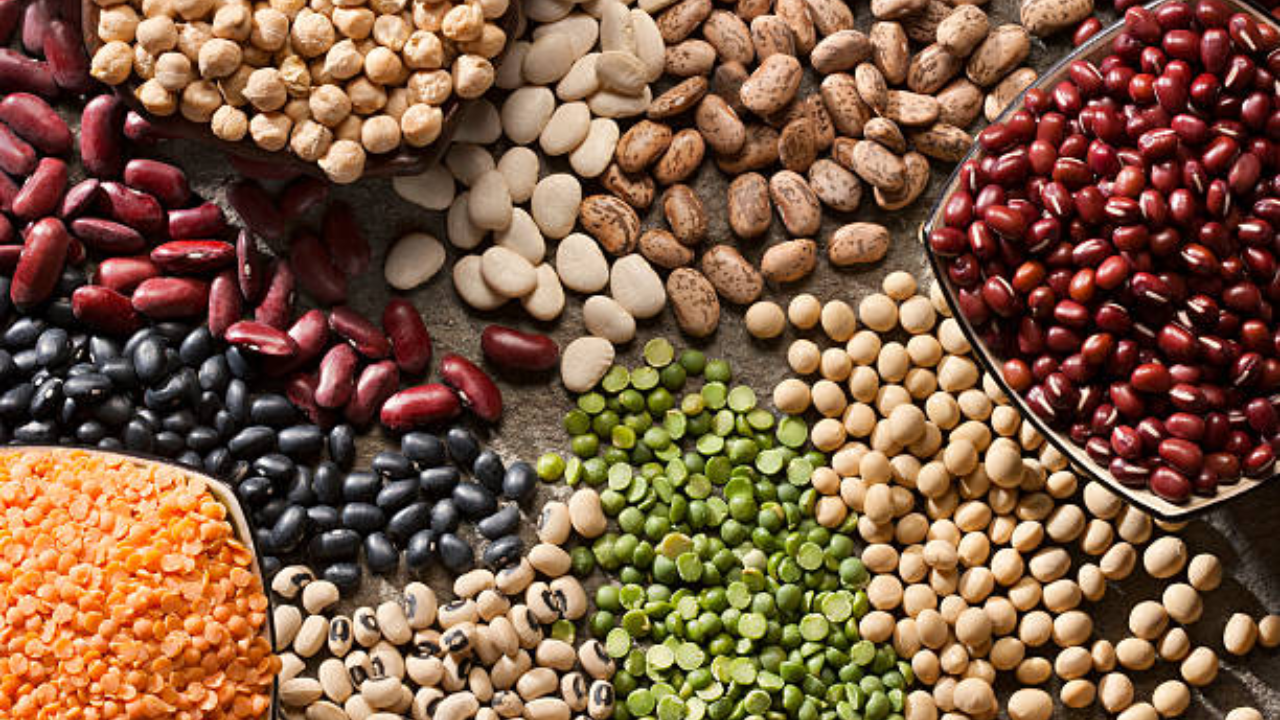
A balanced diet provides the essential nutrients your body needs to function optimally. It involves consuming a variety of foods in the right proportions to support overall health. Balancing your diet involves managing the proportions of protein, fat, and carbohydrates to support overall health and energy levels. Below mentioned are general tips to help you achieve a balanced diet:
Understand macronutrient functions
Protein-Essential for building and repairing tissues, making hormones and enzymes, and supporting immune function. It is available in meat, fish, eggs, dairy, beans, and legumes.
Fat- Provides energy, supports cell function, and helps absorb certain vitamins. Healthy fats come from sources like avocados, nuts, seeds, and olive oil.
Carbohydrates- The body’s primary energy source. They should come from whole grains, fruits, vegetables, and legumes rather than refined sugars and processed foods.
Determine your macronutrient ratios
A typical balanced diet might include:
Protein- 10-35% of your total daily caloriesFat-20-35% of your total daily caloriesCarbohydrates-45-65% of your total daily caloriesBut these ranges can vary based on individual needs, activity level, and health goals.
Portion control
Understanding portion sizes can help you maintain balance. For example:
A serving of protein might be the size of your palm.Healthy fats should be consumed in moderation—about a thumb-sized portion per meal.Fill half your plate with vegetables, a quarter with lean protein, and a quarter with whole grains.
Choose quality sources
Protein-opt for lean meats, fish, dairy, eggs, and plant-based proteins like beans, lentils, and tofu.Fat-focus on unsaturated fats from sources like nuts, seeds, avocados, and olive oil. Limit saturated fats like butter, ghee and avoid Trans fats (Packaged Foods)Carbohydrates- Prioritize complex carbohydrates found in whole grains, fruits, and vegetables. Limit refined sugars and processed carbs like biscuits, breads, buns etc.
Monitor and adjust
Listen to your body- Energy levels, mood, and satiety can help guide adjustments. If you feel sluggish or excessively hungry, you might need to change your ratios.
Track your intake- Keeping a food diary or using apps can help you understand your macronutrient distribution and make adjustments as needed.
Stay hydrated
Water is crucial for overall health and supports digestion, metabolism, and nutrient absorption. Include healthy fluid options like plain water, coconut water, buttermilk, almond milk etc
Check labels and ingredients
Read nutrition labels- Pay attention to the nutrition facts, ingredients list, and serving sizes. Look for products low in added sugars, sodium, and unhealthy fats. Minimize purchases of highly processed foods that are often high in unhealthy fats, sugars, and sodium.
Consult professionals
If you have specific health goals or conditions, a nutritionist can provide personalized advice.
Balancing your diet is a dynamic process and can change based on various factors like physical activity, health status, and lifestyle changes. Adjust as needed and focus on whole, nutrient-dense foods for the best results.
(Author: Ritika Samaddar, Head, South Zone, Nutrition and Dietetics, Max Super Speciality Hospital, Saket)