Get all your news in one place.
100’s of premium titles.
One app.
Start reading
The Times of India
The Times of India
World
TOI World Desk

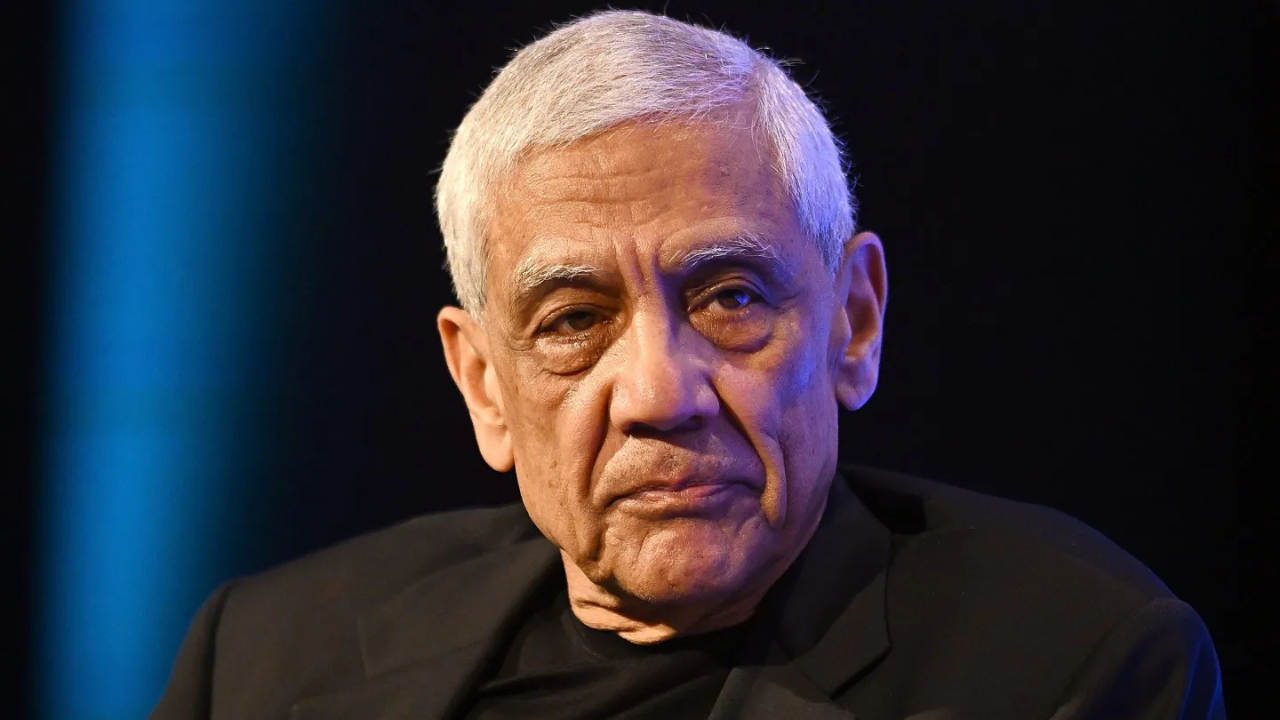
'Bad outcomes': Indian-origin billionaire Vinod Khosla blasts Ro Khanna, Bernie Sanders over Silicon Valley intentions

Indian-origin billionaire Vinod Khosla launched a blistering attack on US lawmakers Bernie Sanders and Ro Khanna in a post on X, criticising their warnings about artificial intelligence. Khosla wrote: “Bernie Sanders, Ro Khanna warn of AI’s potential negative consequences. Morons like Ro Khanna and Bernie Sanders will stop all the good AI can do to protect their religion. Good intentions but bad outcomes is ok for these socialists/ commie.” The post came after Sanders and Khanna spoke at a public discussion on artificial intelligence at Stanford University.

The exchange followed a Stanford town hall on February 20, 2026, where Sanders argued that artificial intelligence is advancing faster than existing economic and political systems can absorb. He cast doubt on Silicon Valley’s claims that AI will naturally deliver broad public benefits, saying similar assurances had been made during previous waves of technological change while wealth and power became more concentrated. Sanders warned that rapid AI deployment, if left largely to market forces, could accelerate job losses and widen inequality.
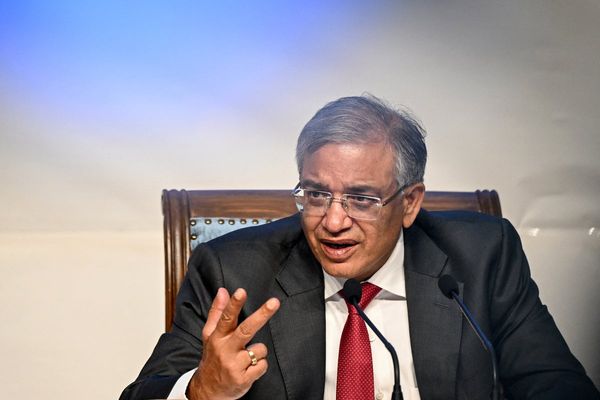
Khanna, who represents a Silicon Valley district, set out what he called a framework for “democratic AI”, contending that current AI development trends favour large technology firms. He said AI systems should prioritise worker augmentation over replacement and suggested policy intervention was needed to prevent productivity gains from flowing primarily to corporations. While noting potential uses of AI in areas such as healthcare and clean energy, Khanna argued these outcomes were not guaranteed and criticised what he described as Silicon Valley’s tendency to resist external oversight.

Khosla, a co-founder of Sun Microsystems and a prominent investor in AI-focused companies, has repeatedly argued that excessive caution and regulation could delay breakthroughs that improve living standards. In his post responding to the Stanford event, he framed the lawmakers’ warnings as ideologically driven and said slowing AI development could block advances in healthcare, medical research, drug discovery, education, clean energy, scientific innovation and overall economic productivity, preventing the technology from delivering broader societal gains.

The episode highlights widening tensions between parts of Silicon Valley and policymakers over how artificial intelligence should be governed, with disagreements increasingly playing out both at high-profile public forums and on social media platforms.

Sign up to read this article
Read news from 100’s of titles, curated specifically for you.
Already a member? Sign in here
Related Stories
Top stories on inkl right now
One subscription that gives you access to news from hundreds of sites
Already a member? Sign in here
Our Picks
Fourteen days free
Download the app
One app. One membership.
100+ trusted global sources.