
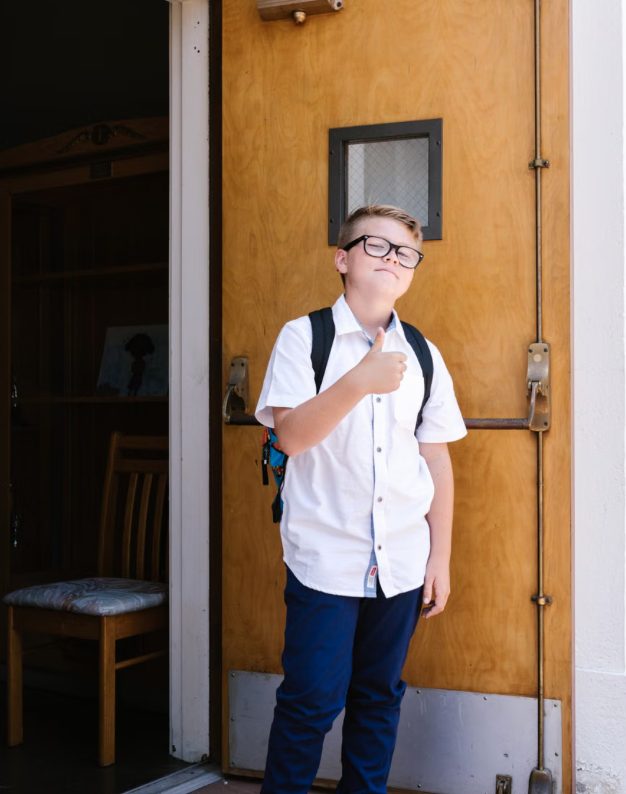
The return to school can bring excitement, but for some autistic students, it can also create significant stress. New teachers, unfamiliar classrooms, changing schedules, crowded hallways, and increased social expectations can make the transition especially demanding. Autism back-to-school anxiety may not always look like a child saying, “I’m worried about school,” particularly when communicating emotions is difficult. Instead, parents may notice changes in sleep, behavior, physical complaints, or a stronger need for familiar routines. Recognizing these changes early can help families respond with support rather than assuming a child is simply being difficult.

Anxiety May Show Up Through Behavior
Autism back-to-school anxiety can appear as increased irritability, withdrawal, crying, shutdowns, or more intense reactions to everyday demands. The Autism Research Institute notes that anxiety symptoms can overlap with autistic characteristics, which can make anxiety harder to recognize. A child who previously packed a backpack without difficulty, for example, might suddenly become distressed when school supplies are mentioned. Parents may also see an increase in repetitive behaviors or a stronger insistence that activities happen in a particular order. Rather than viewing these behaviors automatically as defiance, consider whether they began or intensified as the first day of school approached.
Physical Complaints Can Be Important Clues
Anxiety does not stay entirely in the mind, and children may experience very real physical symptoms when they feel overwhelmed. Headaches, stomachaches, nausea, dizziness, sweating, or a racing heart can accompany school-related anxiety. A useful clue may be timing, such as stomachaches appearing repeatedly on school mornings but improving on weekends. However, parents should not assume that every physical complaint is caused by autism back to school anxiety, because illness and other medical problems still need appropriate attention. Persistent, severe, or unexplained symptoms should be discussed with the child’s pediatrician or another qualified healthcare professional.
Sleep and Routine Changes Deserve Attention
Sleep can be another place where anxiety becomes visible before a child has explained what is bothering them. Parents might notice difficulty falling asleep, waking during the night, getting up unusually early, or resisting bedtime as school gets closer. Changes in routine can be particularly stressful for some autistic students, and research continues to examine the connection between a strong preference for sameness and anxiety. Re-establishing school-year bedtimes, wake times, meals, and morning routines gradually can make the transition more predictable. A visual calendar or schedule showing when school starts, what happens each morning, and what comes after school can also reduce uncertainty.
Sensory Overload Can Increase School Worries
A classroom can contain sensory demands that are easy for adults to underestimate, including fluorescent lighting, bells, scraping chairs, crowded cafeterias, strong smells, and noisy buses. Sensory sensitivities can contribute to overload and anxiety for autistic people, particularly when combined with social expectations and unexpected changes. Imagine a student who enjoyed summer at home but suddenly faces hundreds of voices in a hallway while trying to locate an unfamiliar classroom before the bell rings. Autism back-to-school anxiety in that situation may appear as covering the ears, refusing certain spaces, trying to leave, or becoming unusually quiet. Parents can share known sensory triggers with teachers and discuss practical supports such as quieter spaces, predictable transitions, seating adjustments, or other individualized accommodations.
School Avoidance Should Not Be Ignored
Occasional first-day nerves are common, but persistent efforts to avoid school deserve closer attention. A student may repeatedly ask to stay home, struggle intensely at drop-off, request early pickup, or complain of physical symptoms whenever attendance is expected. Prolonged school refusal can interfere substantially with a child’s life and may become harder to overcome when absence reinforces avoidance. Parents dealing with autism back-to-school anxiety can communicate early with teachers, counselors, therapists, or other members of the student’s support team instead of waiting for the problem to escalate. Visiting the school beforehand, practicing the route, meeting key staff, or walking through the daily schedule can make unfamiliar situations more predictable.
Preparation Can Build a Sense of Safety
Parents do not need to eliminate every source of anxiety before school begins, and trying to promise that nothing stressful will happen can create unrealistic expectations. Instead, focus on giving the student reliable information about what will happen and a plan for what they can do when something feels difficult. A practice visit might include locating the classroom, restroom, cafeteria, pickup area, and a designated quiet or support space.
Families can also ask the student what feels most uncertain rather than assuming that academics, friendships, noise, transportation, or separation is the main concern. These conversations can turn autism back-to-school anxiety from an undefined threat into specific challenges that families and school staff can address together.
Watch for Change, Then Build Support Around It
The most useful comparison is often not between an autistic student and classmates but between the student’s current behavior and their usual patterns. A noticeable change in sleeping, eating, physical complaints, emotional regulation, sensory tolerance, or willingness to attend school can provide valuable information about what the student is experiencing. These signs are not diagnostic on their own, and parents should seek professional support when anxiety is persistent, worsening, causing significant distress, or interfering with school and everyday life. Early communication among the student, family, educators, pediatrician, and appropriate mental health professionals can help identify what is driving the difficulty and what support may help.
What changes have you noticed in your child as the school year approaches, and what has helped make the transition easier? Share your experience in the comments—another family may benefit from what you have learned.
What to Read Next
School Counselors Report a Rise in Severe Anxiety Among Younger Students
Counselors Say This ‘Normal’ Social Habit Is Fueling Anxiety in Kids — And Parents Are Missing It
The Hidden Sensory Processing Disorders Mistaken for Behavior Problems
The post Back-to-School Anxiety in Autistic Students: Signs Parents May Notice appeared first on Kids Ain't Cheap.