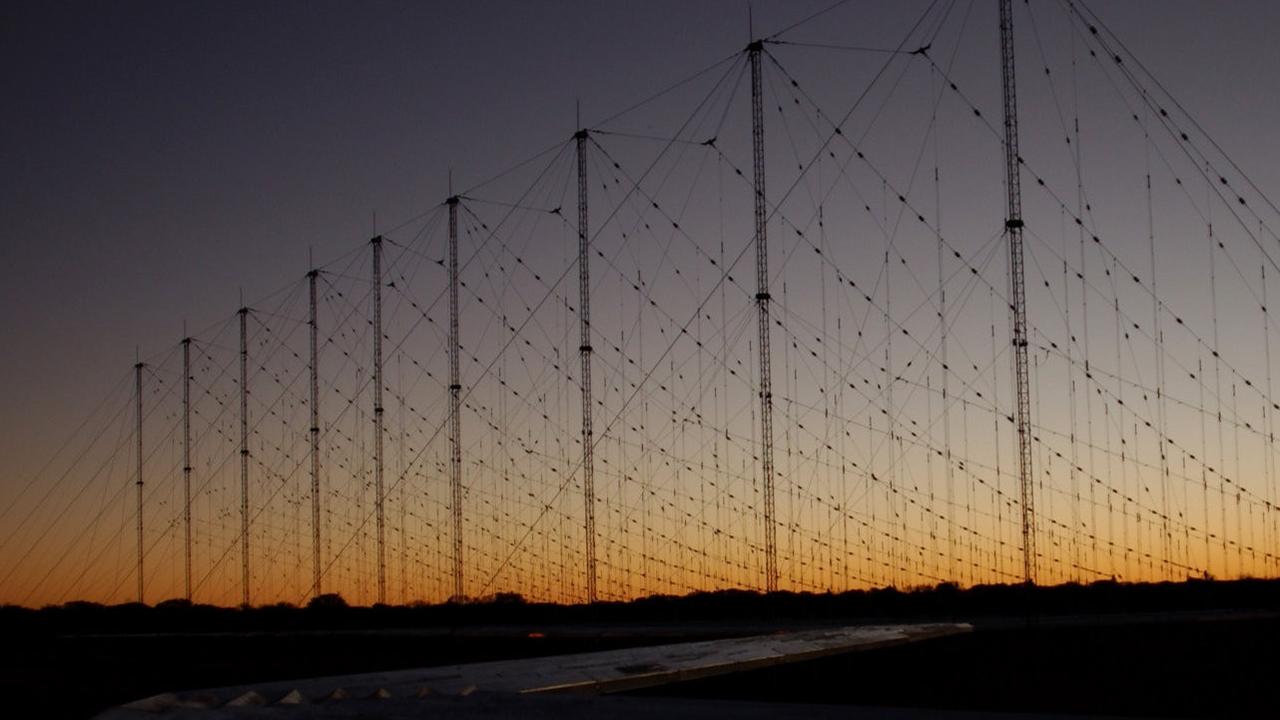
Australia has struck its largest defence export deal under a $2.5 billion agreement to provide Canada with world-leading radar technology, as US allies look to broaden their security relationships.
The landmark pact was signed in Canberra on Monday by Defence Minister Richard Marles and Canada's Secretary of State for Defence Procurement Stephen Fuhr.
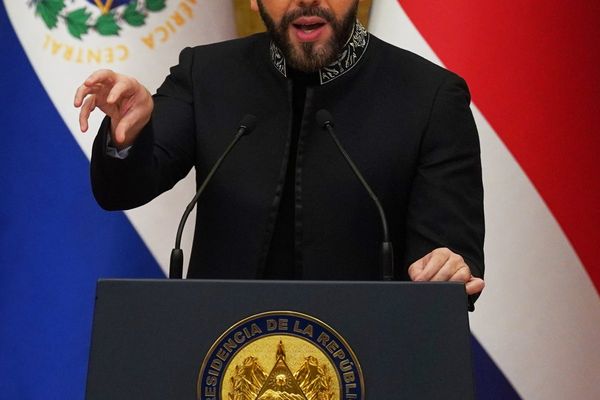
"Today's agreement really is a historic moment for Australia's defence industry, but it is also a historic moment in the bilateral relationship between Australia and Canada," Mr Marles said.
Canada will use Australia's Jindalee Operational Radar Network, known as JORN, to surveil vast swathes of the Arctic.
The over-the-horizon system has been in service for 40 years, with the system able to detect aircraft and ships up to 3000km from the northern Australian coast.
Mr Fuhr pointed to both nations being Commonwealth countries and Five Eyes partners, an intelligence-sharing arrangement.
"We've stood shoulder to shoulder for generations as the world adjusts to its new strategic and economic realities," he said.
"We'll continue to work with the Americans. That's not going to change, but the relationship is different.
"We have great partners in other places in the world, this being a very good example of it with this radar, and I'm sure there'll be much, much more to do."
Trust in the US as a reliable partner is at an all-time low due to the transactional approach of the Trump administration, and the tariffs Washington has imposed on its allies.
US President Donald Trump has repeatedly expressed interest in annexing Canada.
Australia and Canada will continue working towards establishing a status of forces agreement, a legal framework which allows militaries to operate in each other's countries.
Mr Marles said the "exquisite" radar technology would only be shared with Australia's most trusted partners.
"That said, under our government, we have looked to be more ambitious in terms of finding opportunities to engage in defence industry exports and this is something that we can do with a close friend," he said.
As Australia and Germany remain locked in talks about the potential export of the nation's Ghost Bat drone, the Canadian secretary confirmed he will also examine the locally designed aircraft.
"I'm quite interested," Mr Fuhr said.
"Collaborative combat aircraft are a thing, and it seems like Australia has got a bit of a lead there, so I'm curious to see where that's at."
Federal governments have poured more than $2.3 billion into the Ghost Bat's development since 2019, with the "loyal wingman" designed to join fighter jets in battle.
The drone is the first combat aircraft to be designed and made in Australia in 50 years.
Asked how negotiations were progressing with Germany, Defence Industry Minister Pat Conroy said the government was "very confident" in the capability.
A factory is being built in Queensland to manufacture the drones at scale.