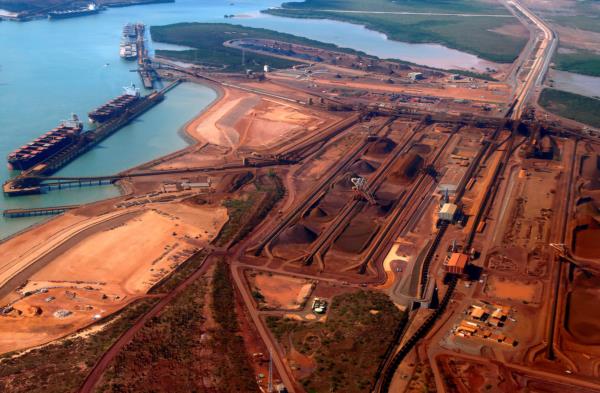
Australia is anticipating a smaller revenue upgrade in its upcoming budget as a result of falling commodity prices. The country's economy heavily relies on the export of commodities such as iron ore, coal, and natural gas, making it particularly vulnerable to fluctuations in global commodity markets.
The decrease in commodity prices has led to a reduction in expected government revenue, prompting officials to adjust their budget forecasts accordingly. This adjustment is expected to have implications for government spending and economic policies moving forward.

Australia's budget is a crucial tool for managing the country's finances and ensuring economic stability. The government uses revenue projections to determine spending priorities, allocate resources, and make decisions on taxation and fiscal policy.
The impact of falling commodity prices on Australia's budget underscores the interconnectedness of the global economy and the importance of diversifying revenue sources. As one of the world's leading commodity exporters, Australia must navigate the challenges posed by market volatility and adapt its economic strategies to mitigate risks.
While the smaller revenue upgrade may present challenges for the government in meeting its financial obligations and funding key programs, it also highlights the need for prudent financial management and long-term planning. By carefully monitoring economic trends and making strategic adjustments, Australia can position itself for sustainable growth and resilience in the face of external shocks.