Low-income families feel the sting of bitter winters and blazing summers most. Their homes are often losing heat, their air conditioners are working overtime and their power bills are increasing every year. In Austin, Texas, one utility decided to do something about it. Austin Energy’s Fiscal Year 2021 Customer Energy Solutions Progress Report estimates the Weatherization Assistance Program saved 687.5 megawatt-hours of energy annually in 625 homes and cut peak demand by about 0.55 megawatts.
What really happened in these houses

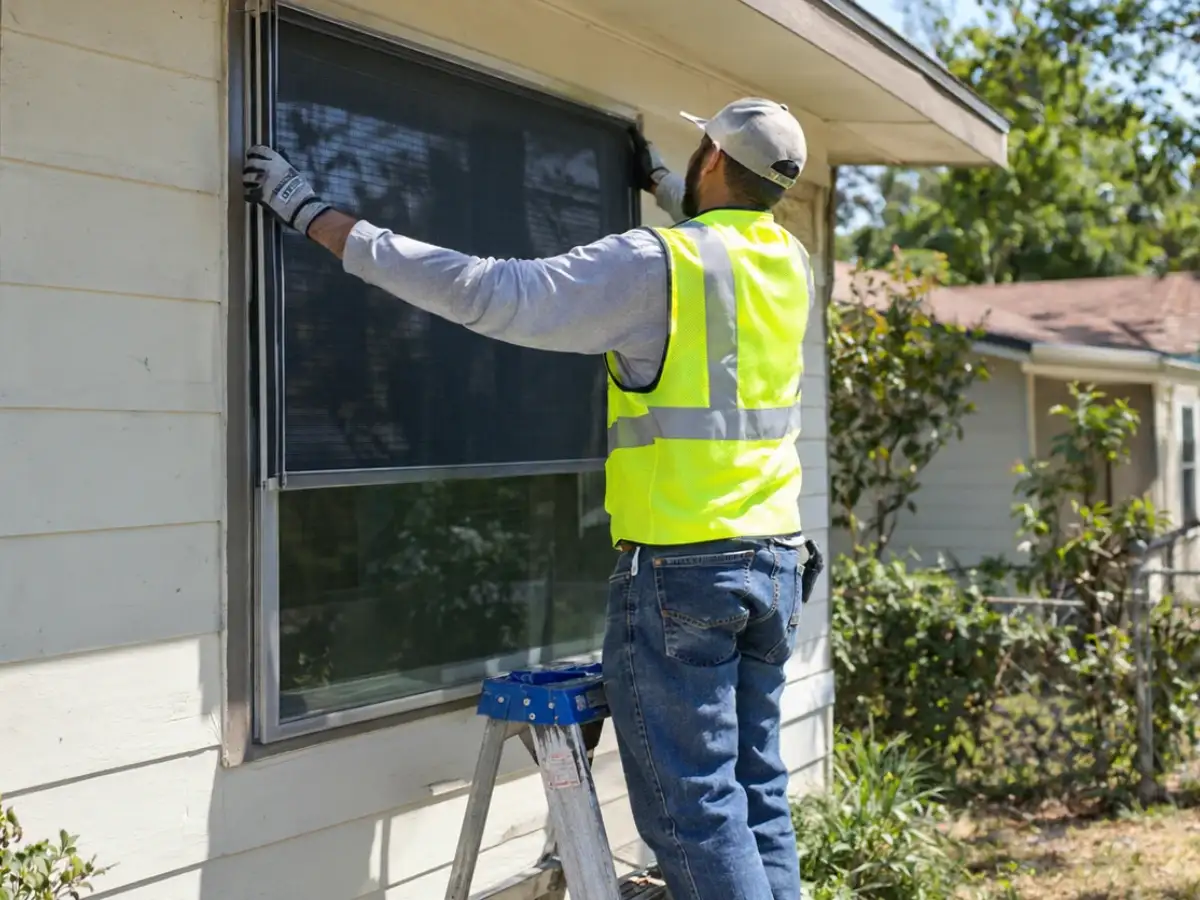
Weatherization is not some glamorous work. It’s caulking, insulation and duct sealing done right. Crews sealed gaps in walls and attics, added insulation, replaced broken or faulty ductwork, installed solar screens over windows to block summer heat, serviced air conditioners, put in LED light bulbs, and installed carbon monoxide and smoke alarms in homes. In 2021, they added a new item to the list: smart thermostats. None of this cost homeowners a dime. The program covers the full cost for qualifying families, because its goal is comfort and safety, not just lower bills.
Why this kind of program matters so much
Low-income households do not just pay more in absolute terms for energy. They pay a much bigger share of their paycheck for it. The American Council for an Energy-Efficient Economy's household energy burden report highlights that people who are economically disadvantaged pay nearly three times more of their monthly earnings towards energy expenses compared to higher-income households. One reason is that older homes often have poor insulation and inefficient cooling systems. When families must choose between electricity bills and food, insulation and air conditioning are necessities, not luxuries.