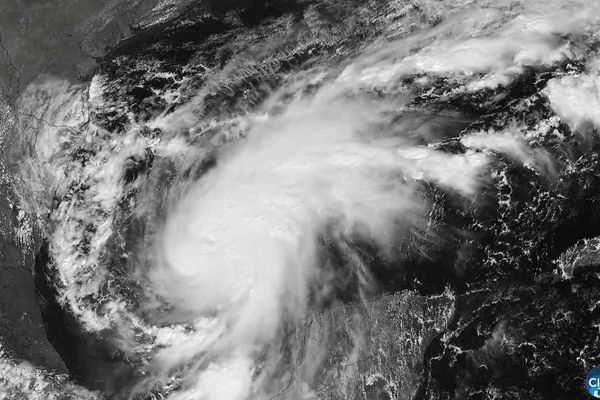
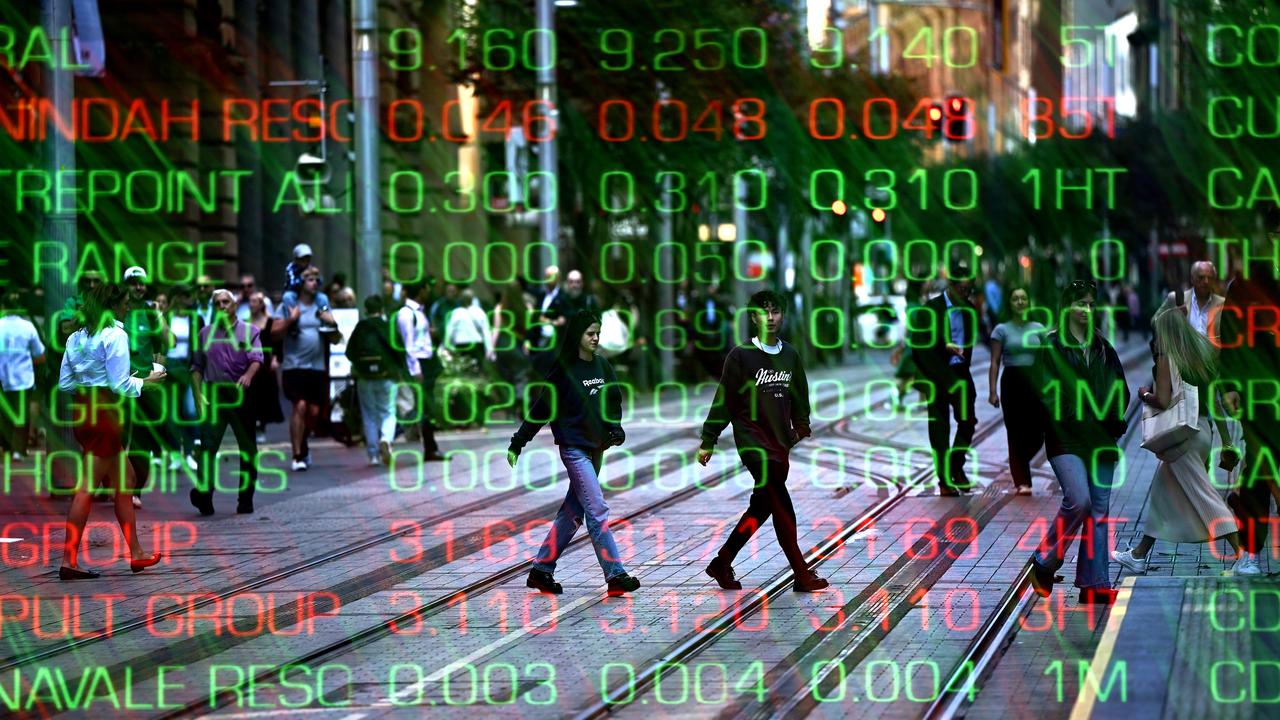
Australian shares have tumbled as the deepening Middle East conflict heightens fears around spiralling energy costs and increasingly likely interest rate hikes.
The S&P/ASX200 dropped 123.6 points on Tuesday, down 1.34 per cent, to 9,077.3, while the broader All Ordinaries lost 133.4 points, or 1.41 per cent, to 9,297.2.

"The ASX200's taken an absolute thumping today as investors moved to batten down the hatches and locked profits after a good run higher after the February earnings season," IG market analyst Tony Sycamore told AAP.
The roughly 8.5 surge in crude oil prices - on the back of widening air strikes across the Middle East following US-led attacks on Iran over the weekend - had so far appeared restrained, the analyst said.
"Furthermore, you've got major energy producers and US allies Kuwait and UAE reported to have less-than-four to a week's interceptor missile stocks left, and that could leave more energy infrastructure very much, well, at the mercy of Iran," Mr Sycamore said.
Energy stocks were the only sector to finish clearly higher, as basic materials ran into profit-taking and consumer discretionaries were hit by a toxic mix of confidence-killing headlines.
One of which was a speech by Reserve Bank governor Michele Bullock, who said oil's inflation impact would have to be considered at its next rate-setting meeting.
"If it becomes clear the economy has evolved differently than our earlier expectations and that difference is likely to endure, then we adjust the stance of policy, which we did in February," she told the AFR Business Summit.
Interest rate markets narrowed their bets on a March interest rate hike from 10 per cent to one in three after the speech, and have fully priced in a 25-basis point rise by early May.
Recently red-hot mining stocks took a three per cent dive, marking the sector's first down session of the past seven as investors took profits on a multi-record-breaking run.
Gold stocks dipped as the precious metal eased over the session to $US4,344 an ounce, dragging the All Ordinaries gold sub-industry three per cent into the red.
With the exception of a minuscule lift in consumer staples, all sectors outside of energy were in the red, with especially deep dives for rate-sensitive segments real estate (down 2.1 per cent), IT (2.2 per cent) and consumer discretionary stocks (2.8 per cent).
The outlook for the local economy and stocks ultimately depended on the length of the conflict, AMP chief economist Shane Oliver said.
"The longer-term issue is the way higher oil prices have actually been associated with global recessions or debt or slow periods of growth, because it acts as a tax on spending," Dr Oliver told AAP.
However, Australia was in a comparably favourable position to many nations given its relatively low dependence on oil and as a net exporter of fossil fuels.
"Our national income will go up in response to higher energy prices, even though households don't get a boost directly," Dr Oliver said.
The Australian dollar is buying 70.88 US cents, up slightly from 70.77 US cents on Monday, handing back most of the day's gains after the ASX close.
ON THE ASX:
* The S&P/ASX200 fell 123.6 points, or 1.34 per cent, to 9,077.3
* The broader All Ordinaries lost 133.4 points, or 1.41 per cent, to 9,297.2
CURRENCY SNAPSHOT:
One Australian dollar trades for:
* 70.88 US cents, from 70.77 US cents at 5pm AEDT on Monday
* 111.58 Japanese yen, from 111.04 Japanese yen
* 60.77 euro cents, from 60.16 euro cents
* 53.04 British pence, from 52.76 British pence
* 119.59 NZ cents, from 118.77 NZ cents