
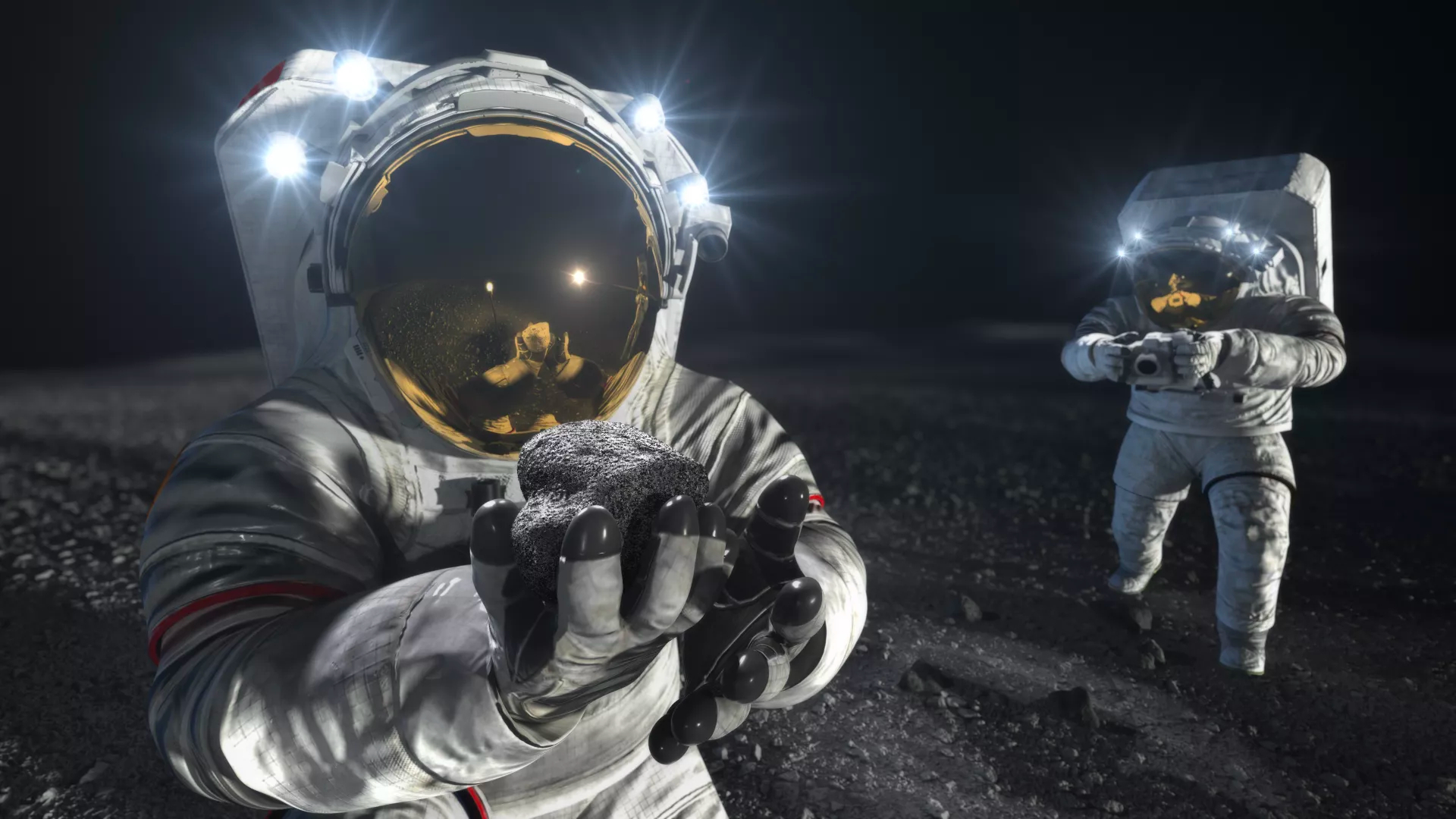
As a new era of crewed space exploration approaches, with prolonged missions to the moon and Mars planned for the coming decades, scientists are taking a closer look at how the environment of space can negatively impact the immune systems of astronauts.
In particular, a team from the Karolinska Institutet in Sweden looked at how microgravity experienced by space travelers could affect T-cells. A T-cell is a type of white blood cell, called a lymphocyte, that's crucial in fighting off disease.
The team's results could help explain why any changes to astronauts’ T cells that happen in space can persist back on Earth. Such lasting changes may lead to T cells becoming less active and less effective at fighting infection, making astronauts vulnerable to reoccurrence of latent viruses.














