
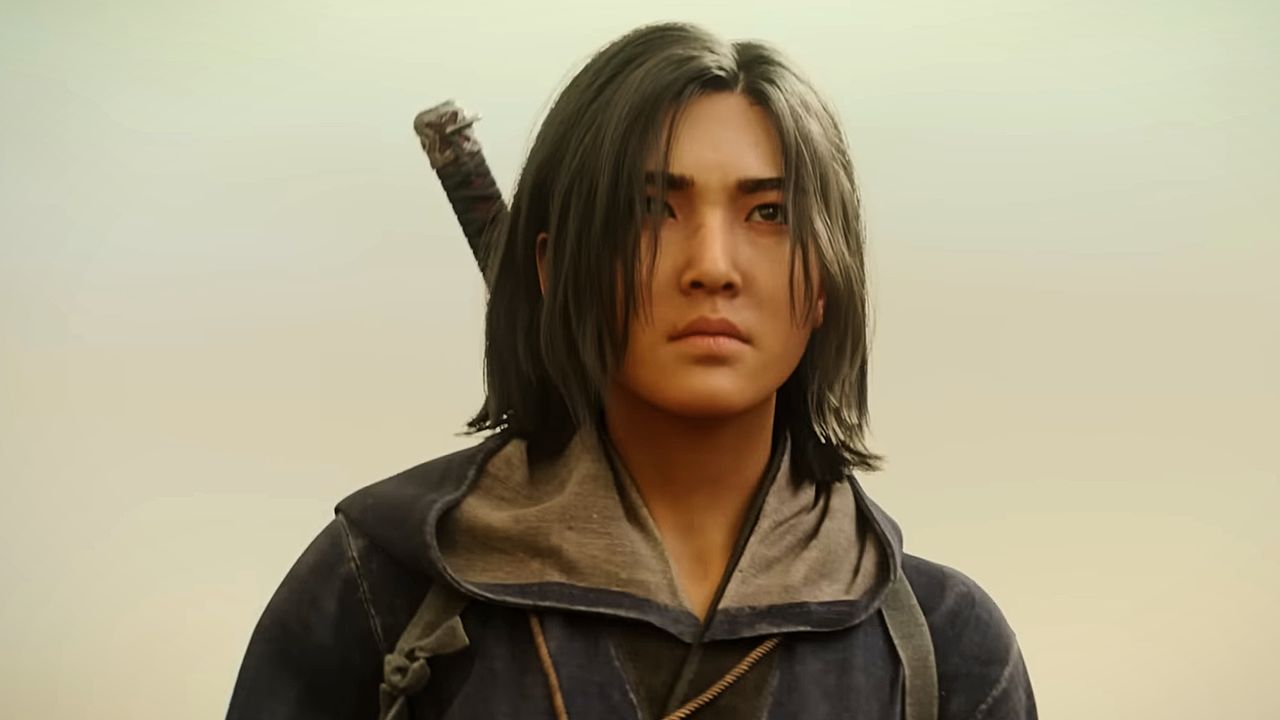
No series remains as relevant as Assassin's Creed has without continually changing and evolving. Last year's Assassin's Creed Shadows brought several improvements and changes to the ongoing war between the Templar Order and the Assassin Brotherhood, and some of them will become ingrained for future installments.
Thierry Danserau, art director on the game, talks about how Shadows will impact other games at an event marking its first anniversary attended by GamesRadar+. "In all the systems we've added a lot of technology within the game that I think is going to become legacy for future releases," he says, "such as micropolygon, or ATMOS, the dynamic weather systems that are passively changing. There are quite a few things that will make their way to other games."

The micropolygon system is a framework that allows the team to create richer environments. It's part of Ubisoft's Anvil engine, and the latest bit of tech used for the absolutely glorious settings the Assassin's Creed games are known for.
ATMOS is an added wrinkle, bringing the climate of 16th century Japan to life as much as possible, to give Shadows a truly memorable sense of place. Assassin's Creed games have long been strong for how well they capture the eras they depict. Much of my time playing of them is just spent wandering around enjoying the scenery.
Besides the new tech, Danserau took a second to talk about the mechanics that'll continue to improve and change game-to-game. "We've improved parkour, and a lot of stealth, and the fighting even, we've pushed certain elements of it," he adds.
These are foundational to the Assassin's Creed experience, and the point, I believe, is that Ubisoft isn't resting on any laurels in pursuit of making each of these as good as it can be. Wherever the next game takes us, it's likely to be a technical marvel, at the very least.