
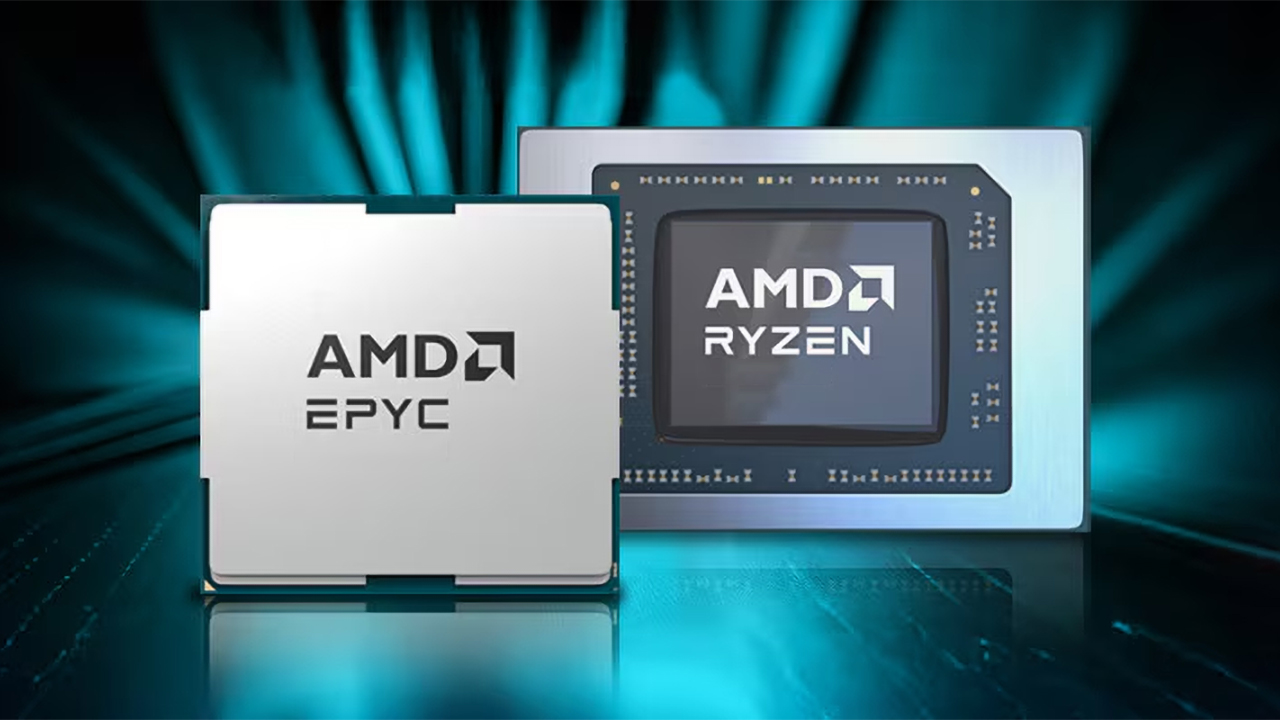
AMD this week said in a blog post that ASE Technology, the world's largest outsourced semiconductor assembly and test (OSAT) provider, has transitioned to EPYC and Ryzen processors across its data centers and client systems, respectively. The transition has resulted in significant performance improvements and energy efficiency gains. However, perhaps more important is that ASE is now evaluating AMD's Instinct MI300-series processors for AI workloads.
By adopting AMD's EPYC processors for servers and Ryzen CPUs for client desktop and laptop PCs, ASE achieved a 50% boost in system performance and a 6.5% reduction in power consumption compared to its previous infrastructure, which resulted in a 30% decrease in total cost of ownership, delivering both operational and financial benefits. AMD's blog does not disclose which processors ASE used before adopting AMD-based solutions, nor does it indicate whether all systems in ASE's fleet now use EPYC or Ryzen processors. However, the mention of operational and financial benefits points to a substantial adoption of AMD-based systems.