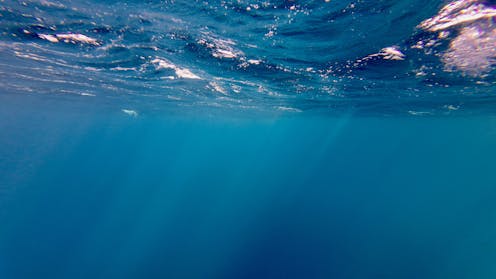
Below the surface of the oceans, microscopic algae known as phytoplankton are growing as the world warms. That’s one finding of our new study, published in Nature Climate Change, which provides the first long-term account, over more than three decades, of phytoplankton that live beyond the sight of ocean-monitoring satellites.
These tiny algae are found at the bottom of the marine food web. They’re eaten by slightly larger zooplankton (microscopic animals), which are eaten by small fish, then bigger fish, and so on. Any changes to phytoplankton will therefore ripple through the entire marine ecosystem all the way to the sharks and whales at the top. That’s why it’s crucial we know how they are responding to climate change.