
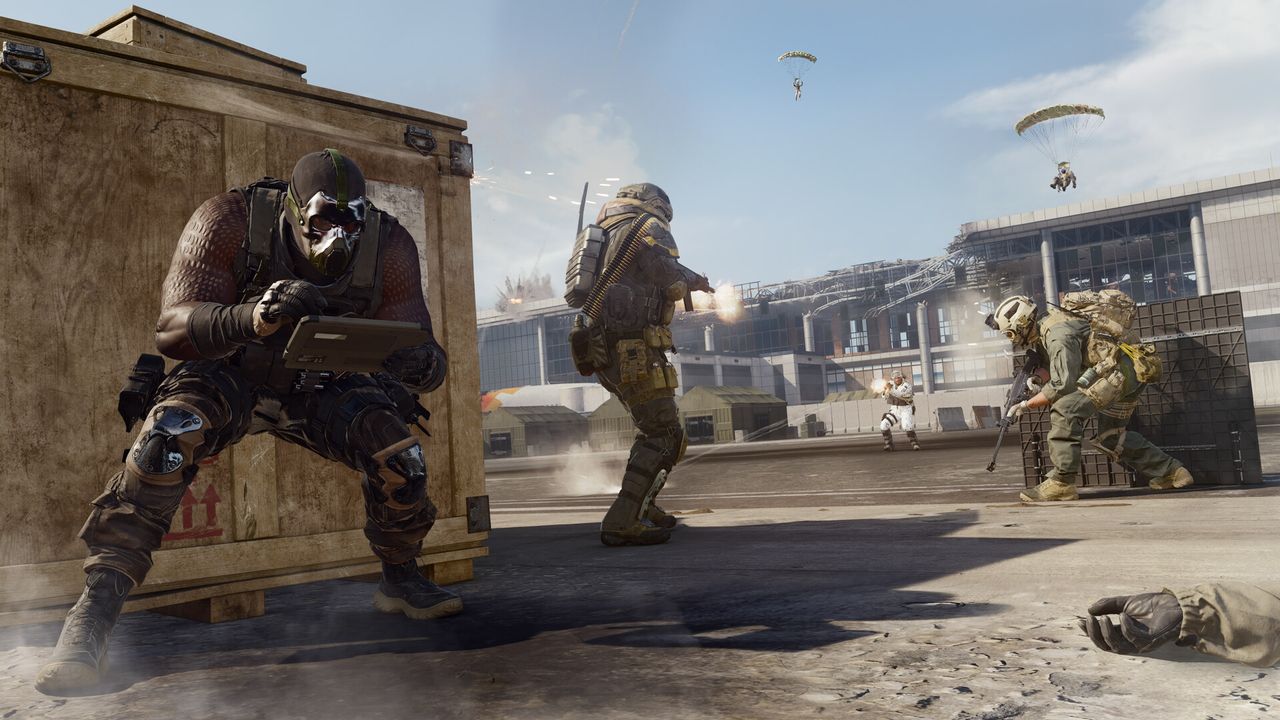
I've never met a ghost in the machine, but I remember every time an AI enemy surprised me by doing something deeply human. I know where in the church rafters I was standing when a Wolfenstein paratrooper started bunny-hopping on the spiral staircase, so that he could get a better look at me. And I'll always recall knocking a warhammer from the hands of an orc bandit on the road south of Cyrodiil. I dangled the glass weapon mockingly in front of my enemy's face—only to watch the toothy bugger pluck the hammer out of the air and start swinging again.
Stalker: Shadow of Chernobyl was designed to produce moments like these. During the Ukrainian shooter's development, GSC Game World imbued NPCs with goals and desires. These characters would set out to find artifacts in the Chernobyl Exclusion Zone, bring them to dealers, and pick up new quests. If opponents bumped into each other on the road, the game would roll to decide whether they fought to the death, traded goods, or avoided confrontation altogether. There were even plans to let NPCs uncover the mysteries of the Zone all by themselves—making the player frankly a little redundant.















