People often think of their moral beliefs as firm and unchanging. Ideas about right and wrong can feel like basic truths that should be obvious to everyone. Yet history shows that moral views have changed dramatically. Behaviours once accepted by societies can later become viewed as wrong, while people continue to disagree about values today.
A new study suggests that these changes may not simply come from selfishness, emotions, or poor judgment. Instead, people often change their moral views because they encounter new reasons to rethink what they believe. Research by psychologist Audun Dahl suggests that changing moral views are not always signs of weakness or inconsistency, as quoted in a report by Psychology Today.
Are our moral beliefs really fixed?
Many people hold certain moral principles that feel permanent. Violence, lying, and slavery are often seen as examples of actions considered wrong. However, human behavior has never perfectly matched moral beliefs. People may oppose violence but support it in certain situations, claim honesty matters while still telling lies, or defend actions that future generations reject. This creates a difficult question: Are moral principles easily pushed aside by personal interests and circumstances?
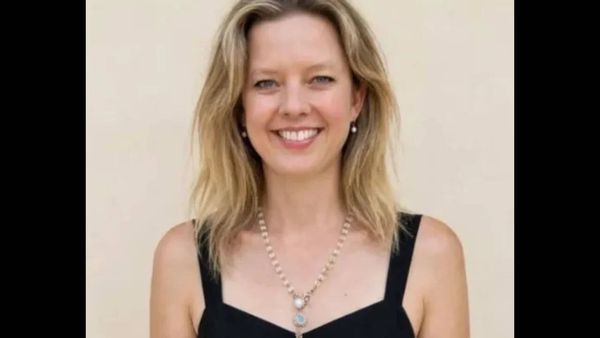
According to Audun Dahl, associate professor of psychology at Cornell’s College of Human Ecology and director of the Developmental Moral Psychology Lab, the answer is more complicated.
In his book Between Fixed and Fickle: Why Our Moral Views Keep Changing, Dahl explores why people’s moral beliefs shift over time using decades of psychological research, as quoted in a report by Psychology Today.
What is the “fixed and fickle” idea?
Dahl describes a common way people think about morality. He calls it the story of the “fixed and fickle.” According to this view, people tend to see their own moral beliefs as obvious and stable. They often assume that anyone who disagrees must have a weaker moral sense or be influenced by selfishness, emotion, or irrational thinking.
This explanation can feel comfortable because it protects our own beliefs while making opposing views easier to dismiss.
Dahl argues that this way of thinking creates a blind spot. People often explain other people’s moral changes as failures while viewing their own changes as reasonable growth.
“In that story, moral change gets chalked up to amoral forces, across the lifespan, across situations and across history,” Dahl said. “My book tries to rid us of that story, outside and inside psychology.”
Why do people change their moral views?
Dahl’s research suggests that moral change often happens because people encounter genuine reasons to update their beliefs. His book identifies three main reasons behind changes in moral thinking.
The first is developing new moral concerns. A person may begin believing that certain rights or protections should apply more broadly than they previously thought. The second is forming new connections between existing concerns and new issues. For example, someone may connect current actions with their effects on future generations.
The third involves changing how people weigh competing values. Someone may decide that small personal sacrifices are worthwhile if they help address larger problems. "These three types of reasons for moral change can bring changes across our lifetimes, from one situation to the next, or even across history,” Dahl said, as quoted in a report by Psychology Today.

Does changing morals mean someone is right or wrong?
Dahl makes an important distinction: understanding why someone changes their moral beliefs is different from deciding whether the change itself is positive or negative.
Science can examine the reasons behind moral change, but it cannot determine what people should believe.
“Science can help us realize why our moral views keep changing, but it can’t tell us how our moral views ought to change,” he said. “When you learn the reasons for my moral changes, you might judge me more mildly, or you might judge me more harshly, depending on what you learned my reasons are.”
The research suggests that moral disagreements may require more curiosity and less assumption.
What does this reveal about human nature?
When people encounter someone with very different moral views, it can be tempting to believe that the other person is simply misguided.
But Dahl’s work suggests a different possibility. Moral change may reflect people responding to new information, new experiences, and new ways of understanding the world.
Looking at how and why beliefs evolve may reveal a more thoughtful picture of human nature than the idea that people are simply fixed or easily corrupted. Sometimes, changing our minds is not a failure of morality. It may be part of how people continue to think, learn, and respond to the world around them.
FAQs
Why do morals change?
People discover new reasons and perspectives.
Are moral changes always good?
Not necessarily; they must be evaluated.