
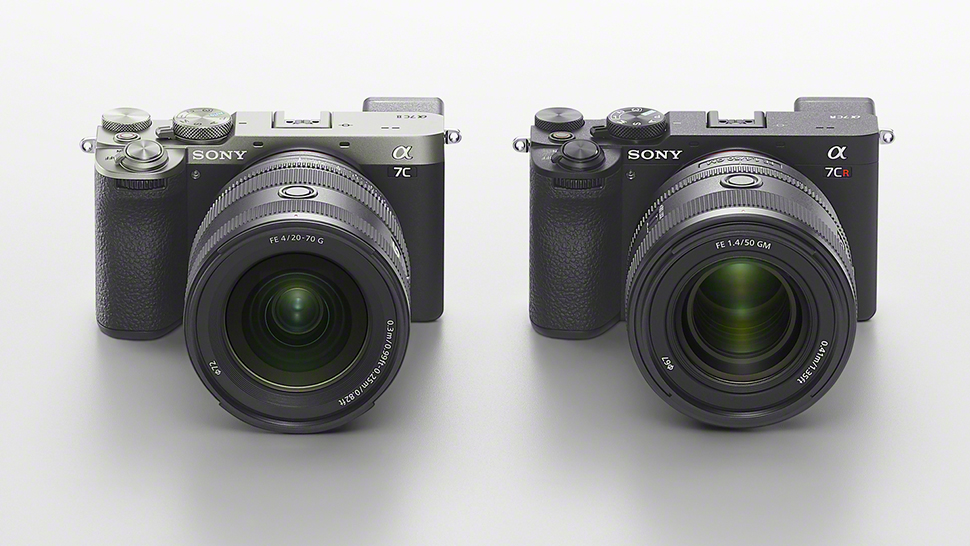
The size and design of camera bodies have traditionally been used to help photographers tell the difference between different classes of camera; that, and often baffling naming conventions. But for the majority of my 20-plus year career in image-making, the big, serious cameras with all of the buttons were strictly for professionals, while the smaller, more approachable camera bodies with simpler functionality were for semi-pros and amateurs.
Things began to shift away from this trend as Micro Four Thirds and mirrorless cameras improved in image quality and features. As they became more advanced, they began attracting the attention of experienced photographers, including professionals. Gradually, higher expectations and demands were being placed on smaller camera bodies, and they subsequently began to grow. I mostly blame Sony for this trend, but Olympus, Panasonic and Fujifilm also played their part as early champions of the mirrorless wave.














