
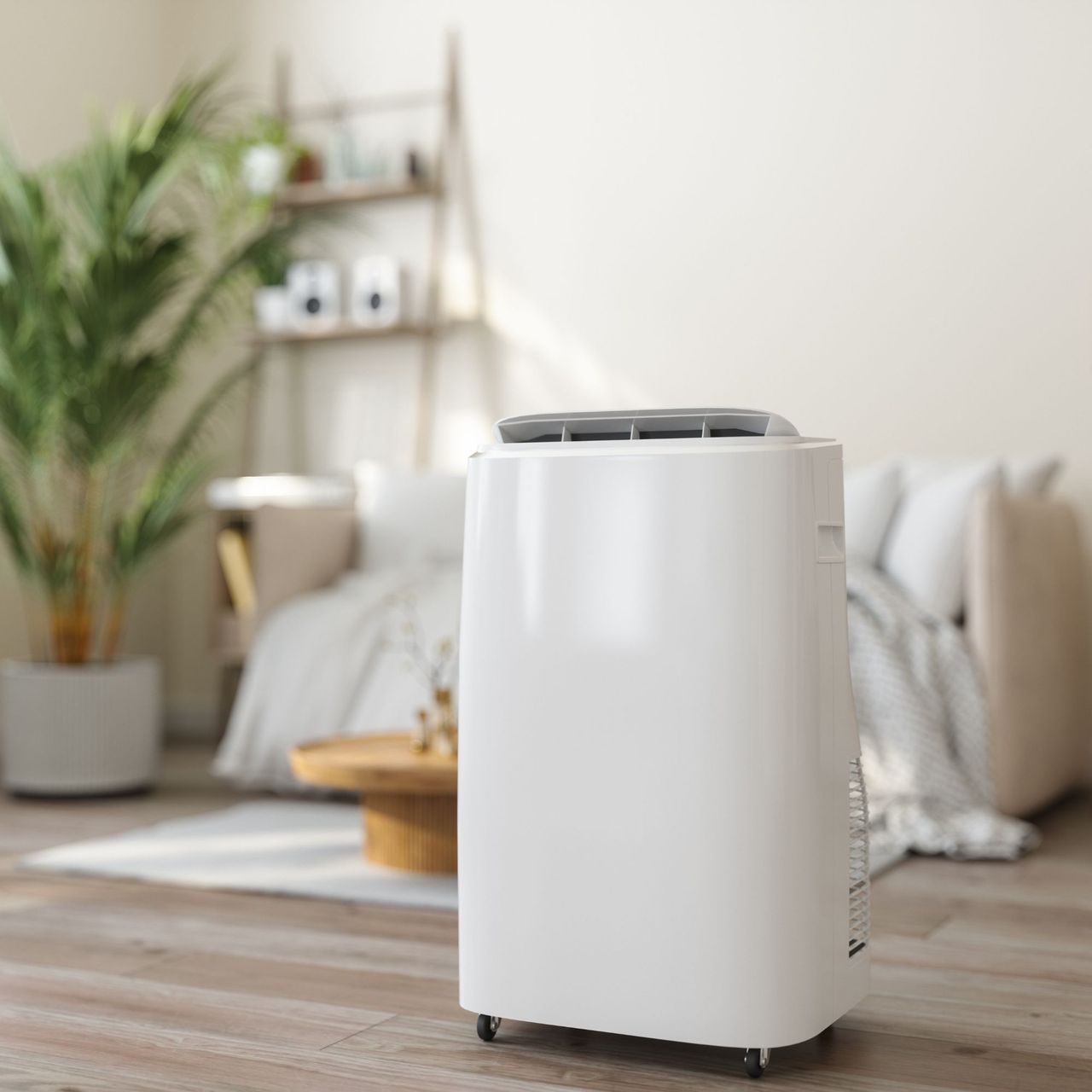
With predictions rife of record heatwaves this summer, it's no wonder more of us are prepping to keep our home's as cool as possible when the heat hits.
A popular and effective option is to invest in one of the best portable air conditioners, but as these appliances can cost hundreds of pounds, it's important you understand their pros and cons before you commit to spending the money. In many cases, they will be a very worthwhile addition to your home, and will give you the summer comfort you crave. But there are some cons that should be considered before you buy.

I've tried and tested multiple portable air conditioners myself, and roped in the experts to help you decide whether a unit like this is the right choice for your home.
Is portable air conditioning a good idea?
Having one of the best fans is a bit of a no-brainer during a heatwave, but with summers seemingly getting hotter every year, it's becoming more apparent that fans are brilliant at moving the air around which can make you feel a bit cooler, but they won't actually lower the temperature in a room. That's where air conditioning comes in.
When it comes to AC, there are two choices, fitted or portable. Fitted air con is more expensive to purchase upfront and requires professional and permanent installation, which means it won't be suitable for everyone.
Fortunately portable air conditioners are more readily available than ever before. And if you have struggled with the heat in more recent years, then a portable air conditioner can definitely be worth it.
However, it is crucial that you understand the benefits and drawbacks of an appliance like this so you can be sure you're making the best choice for your home. Let's look at the pros and cons.
Pros of portable air conditioning
- Effective cooling. When it gets hot, it can feel that fans are just blowing warm air around, but a portable air conditioner will quickly lower the ambient temperature in a room. 'AC units actively lower room temperature using a refrigeration cycle,' explains Noel Fok, CEO and co-founder of EcoAir , ‘Warm air is drawn in and cooled over a refrigerant-filled cooling coil, before being released back into the room, with any remaining heat and moisture extracted from the air vented outdoors via an exhaust hose.’
- Can be moved from room to room. Most portable air conditioning units are set on castors meaning they are easily to move from room to room on the same floor.
- Non-permanent. Beyond the expense of a fitted air con system, not everyone is able to opt for a built in solution. Portable air con requires no permanent alterations to the property so it's ideal for those who are renting or live in a designated area where permanent alterations may not be permitted.
- Doesn't need professional installation. Another pro is that anybody can set up a portable air conditioner, there's no special skillset required.
- Relatively affordable. Portable air conditioners can vary in price from around £200 to close to £1,000, so some are more affordable than others. But all are more affordable than fitted air con that can cost close to £1,500 for installation in a single room.
Cons of portable air conditioning
- They're heavy. While it's quite easy to move a portable air conditioner between rooms on the same floor, the same can't be said for moving one up and down the stairs. That's definitely a two person job.
- Some set up required. 'To get optimal results, it’s crucial to get the set up right;' explains Katie Lillywhite air treatment expert at AO.com . 'Portable units need to be properly vented through an open window to expel the hot air. Failing to do this means the performance will drop off significantly.' Many portable air conditioners come with a universal window kit, but not all do, so it's important to check whether you need to buy one separately. A word of advice here, don't wait until it's roasting hot to set up the window kit. It can be a bit fiddly and that's not something you want to tackle when you're baking.
- Can be noisy. Portable air conditioners can be quite noisy when in cooling mode, although as technology improves, they are getting quieter. But while you can get fans that are whisper quiet, the same can't yet be said for portable air conditioners.
- Bulky to store when not in use. You're not likely to use air conditioning all year round (although if you choose an appliance than also works as a dehumidifier, then you might), so you'll need to think about where you can store it. It'll need to somewhere warm and dry, but the dimensions and significant weight can limit your options.
What else should you consider before buying a portable air conditioner?
Once you've weight up the pros and cons, there are other considerations that will impact how effective and affordable a portable air conditioner will be in the longer term.
Firstly, you need to ensure you choose a suitably powered portable air conditioner for the size of room you want to cool. 'Each air conditioner is measured in BTUs (British Thermal Units),' explains Katie Lillywhite. 'Essentially, if the unit is too small it’ll struggle, or too large and it’ll cycle off inefficiently.
'To calculate what you need for your home, think of the space you want to run it in. Room specifics matter, so think of your ceiling height, insulation, windows and even the number of people in your given room. For instance, a sunny loft room will need far more power than a shaded ground-floor lounge.'
She adds: 'You’ll soon know if your air conditioner is too small for purpose as it’ll run constantly, attempting and failing to reach the target temperature. This is a waste of energy and can lead to higher energy bills. As a rule of thumb, it’s always better to size slightly up rather than down.'
You should also think about ongoing running costs, especially with energy prices going up by 13% in July 2026. Based on the appliances we've tested here at Ideal Home, portable air conditioners can use anywhere between 780-2600W, which based on the July 2026 energy price cap, means they can cost between 20p and 68p per hour to run.
'While they do come with a much higher upfront and running cost, most users consider this a small price to pay for the sake of additional comfort in peak summer,' concludes Katie. 'A portable air conditioner can pose as an upgrade, providing a targeted solution when temperatures really spike and cooling grows more essential as opposed to just a ‘nice to have’.'
If you're convinced that a portable AC is the right choice, then take a look at our top-rated, in-stock picks below.

The 12,000 BTU Vonhaus portable air conditioner is still in stock, and our reviewer rated it highly after testing it in her home.

This AEG portable air conditioner is one of the most powerful that we've tested, plus it's WiFi compatible and easy to use.
FAQs
When is the best time to buy a portable air conditioner?
The best time to buy a portable air conditioner is in advance of a heatwave rather than during. When temperatures spike, impulse buying often means that portable air conditioners sell out across the board. We've seen this happen over the last couple of summers, so if you want one and you want to have your pick, don't wait for the heatwave to hit.
If you want to bag a bargain, then it's worth checking out upcoming sales, like Amazon Prime Day, to see if any highly-rated options are discounted. It's wise to shop around as lots of retailers will have their own discounts or offer price matching. Just remember to factor in any delivery costs when comparing prices.
If you enjoyed reading this, sign up for the Ideal Home newsletter for all the latest home decor trends and inspiration delivered straight to your inbox