Get all your news in one place.
100’s of premium titles.
One app.
Start reading
Livingetc
Livingetc
Olivia Wolfe

Are Minimalist Interiors Out of Style in 2026? Everyone Seems to Be Doing 'More Is More' but Here's How This Aesthetic Has a Place

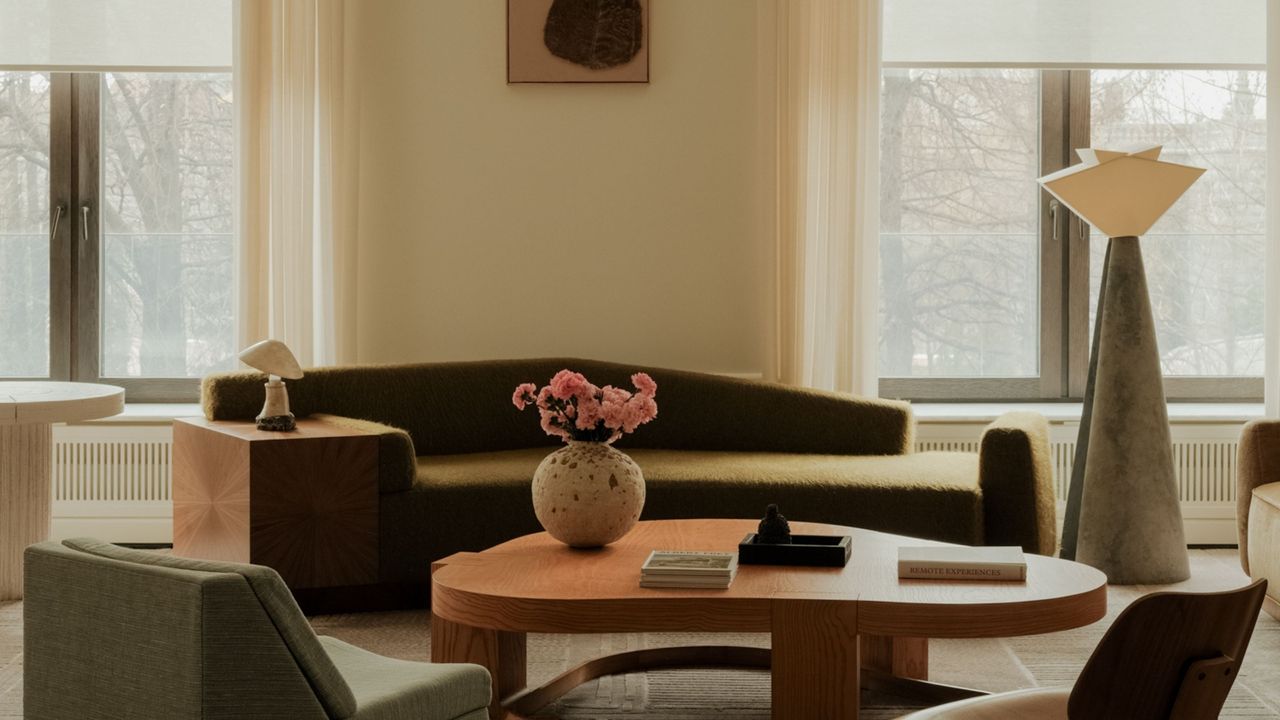
Image of a spacious living room that has a minimalist-meets-mid-century style. There are off-white walls with two large windows, a geometric, olive green sofa, an organic wooden coffee table, and a metal floor lamp.

With all the talk of patterns, textures, saturated pigments, and handcrafted pieces circulating in the interior design sphere, a noticeable void has emerged where minimalism once dominated. Where all beige everything was the surest sign of luxury, styles that are a bit richer and more layered are taking root. Does that mean we can count minimalism as out of style in 2026?

On the one hand, "Minimalism in its purest form and regarding the broader marketplace, can be thought of as out of style," says interior designer and creative director of Rebel House, Marli Jones. "In a society where we are prisoners of the moment, and everything is a reaction against what came before, yes, minimalism is out, and maximalism is king." However, that is not to say that minimalism cannot be stylish in the right interior or project. Rather, it's a case of minimalist interior design not disappearing, but evolving.
Minimalism is the distillation of timeless design principles like quality, precision, balance, and proportion. There will always be a place for this in design. But as trend forecaster and director of design at Goesling Group, Rebecca Goesling, says, "It's really a lack of soul that is out of style." This year, we can expect a version of minimalism that allows for more color, warmth, and texture.

How Current Trends Are Shaping Minimalist Design

Showcasing the architectural elements of your interiors while keeping decor to a minimum is one way designers expect to see minimalism take a more elevated turn. (Image credit: Veresnovsky)

When it comes to contemporary interior design trends, maximalism in interior design is absolutely having a moment heading into 2026 — it's in the air. "The inclusion of storied items and maximal styling is creating spaces with purpose," says Rebecca Goesling.

"When objects and surfaces are expected to come with an anecdote, they elevate from commodities into treasures. They add friction, fighting the efficient, transactional culture we've existed in for years now. Environments become adventures, inviting us to stay and indulge our senses," adds Rebecca.

What we are seeing is homes becoming a reflection of the unique identities of the people who live within them, rather than the latest micro-trend in design. Marli Jones says, "It's a challenge for minimalism to evoke the same level of emotional response that an overflowing interior does, but with restraint and intentionality."

However, that is not to say that it can't and shouldn't be done. In fact, that's what minimalism this year is all about: Achieving a beautifully minimal interior that can stop someone in their tracks, just as a pattern-drenched space can.

Adding lots of layers through texture and materials helps to create a cozier minimalist environment. (Image credit: Tim Lenz)

Gina Valenti, designer and partner of Abrams Valenti Interiors, sums up the attitude-shift around minimalism, saying, "This design style will always remain relevant, but we hope to see it become better understood in 2026." For example, "Minimalism should not be a term used to justify a lack of detail, cheap materials, or underdeveloped design. Instead, for us, it's about the thoughtful use of details, not the absence of them," explains Gina.

There is a clear shift toward warmth and a cozy, inviting feeling in interiors, "achieved through natural materials, a focus on craftsmanship, and the tactile richness of texture," says Mike Shively of En Masse Architecture and Design. And this direction can beautifully coexist with and elevate minimalist spaces — think cozy minimalism with more confidence and edge.

What Minimalism Looks Like in 2026

Mike says, "Minimalism can be interpreted in different ways to reflect the architecture. For instance, minimalism in a modern home can be about simple, bold shapes and limited colors. That doesn't mean the space can't feel materially rich." (Image credit: veresnovsky)

"Minimalism will look like craft in 2026," says Marli. How so? Well, look at minimalism's opposite; Part of maximalism's intrigue is the story it tells about vibrancy and personality. That same vibrancy can be reflected in pieces handled by craftsmen and artists.

In this context, the best way to consider minimalism through a contemporary lens is by "The act of reducing a space to what matters most," says Marli. "Give center stage to hand-crafted objects, decorative motifs, or furniture that can tell the same lively story in detail and with inherited skill," Marli adds.

Basically, it's about quality over quantity. Rather than the infamous, stark whites and blank walls that we associate with harsh minimalism (these read soulless rather than stylish), think something a little softer and with a lot more layering in design.

Rebecca says, "I also anticipate the elements present in minimalist spaces to be filled with history — anything from weathered wood, to intricate joinery and thrifted linens, or passed down artwork."

The chocolate brown color drench and dark, stone gray bedding help make this minimalist bedroom feel naturally warm and welcoming. (Image credit: Jonas Bjerre-Poulsen and Monica Grue Steffensen. Design: Norm Architects)

Color should also no longer be ignored in the new age of minimalism. In fact, some of the latest color trends (like deep burgundies, rich mocha browns, and reinvented earth tones) are a new staple in calm, pared-back spaces.

"Subtle off-whites are replacing stark whites, while warmer tones like olive, burgundy, chocolate brown, and cognac paired with richer woods are gaining prominence," says Mike.

Think earthy color palettes with a darker, richer edge. Shades found in nature, like muted greens, rich terracotta, and soft clay, stick to the soothing principles of minimalist design. They are grounding, yet exciting. "We also see monochromatic layering for color that envelops you, as a painting technique that a minimalist interior would nicely incorporate," says Rebecca.

In terms of texture design, tactile, high-definition materials that comfort and soothe will be your bread and butter — like matte finishes, brushed stone, soft velvets.


"Minimalism will always have its place, but the 'copy and paste' type of minimalism — the kind that feels disconnected from context — is being left behind," says Rebecca. "Even quiet spaces will have to reflect their environment and inhabitants to feel relevant."

Styles like soft minimalism and neutral maximalism are the new way forward for serene settings, as they blend to form a nuanced, yet balanced space.

Sign up to read this article
Read news from 100’s of titles, curated specifically for you.
Already a member? Sign in here
Related Stories
Top stories on inkl right now
One subscription that gives you access to news from hundreds of sites
Already a member? Sign in here
Our Picks
Fourteen days free
Download the app
One app. One membership.
100+ trusted global sources.