
Get all your news in one place.
100's of premium titles.
One app.
Start reading
Kiplinger
Kiplinger
Business
Sean Jackson

Are High-Yield Savings Accounts Still Outpacing Inflation?

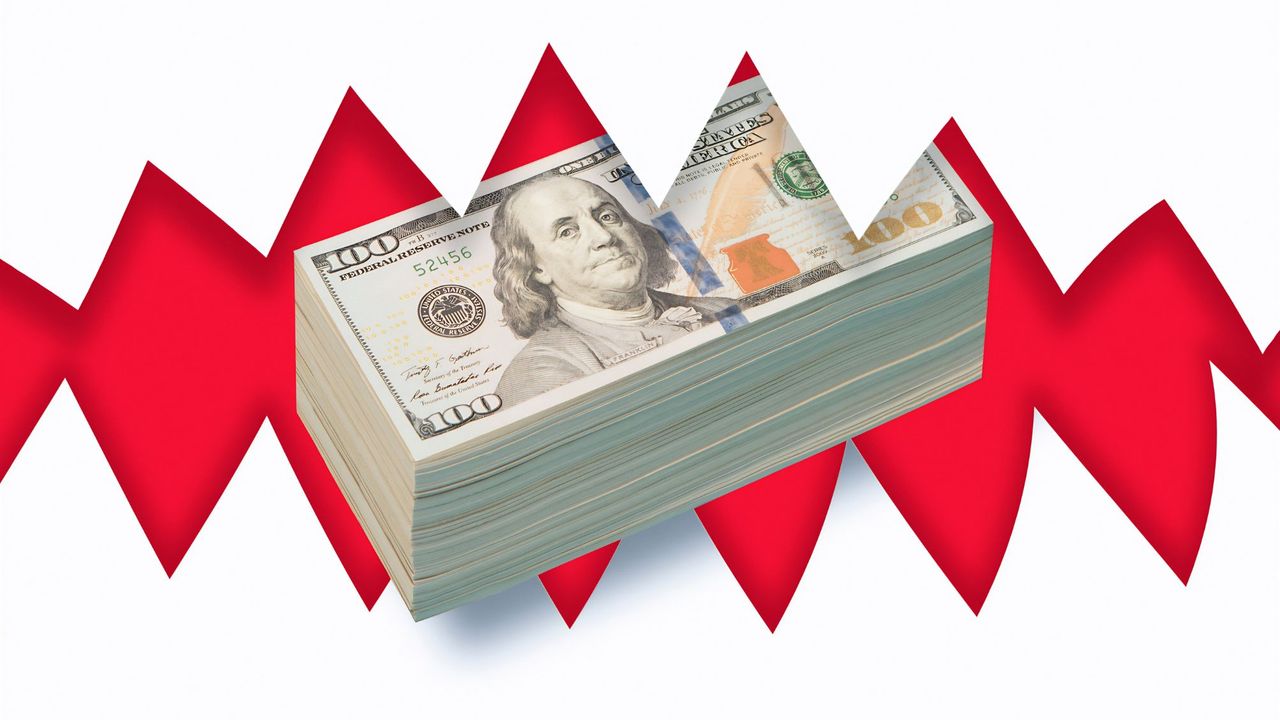
(Image credit: Iakov Filimonov)

Inflation continues to take significant bites out of household budgets. February's inflation rose by 2.4%. David Payne of the Kiplinger Letter notes this will likely be the smallest increase this year.

Why? Because the war in Iran spiked gas prices by 20%. In turn, it means the costs of everyday goods will increase as well.

Even if the war ends soon and gas prices drop, Payne believes inflation could rise to 3.0% by the end of the year due to healthcare costs and the impact of tariffs on prices. For savers, finding the right account is imperative to keeping ahead of rising inflation.

Do savings accounts really outpace inflation?

If you open a savings account at a brick-and-mortar bank, chances are you're going to be disappointed. Traditional savings accounts offer an average APY of 0.6%, well below inflation's projected 3.0% rate by the end of 2026.

However, the best high-yield savings accounts offer much healthier returns. Some of our top options, such as this one from Newtek Bank, give you a return of 4.20%, well above the inflation rate.

Another perk is that many high-yield savings accounts come with low deposit requirements and no monthly fees. This helps you keep more of your money, which is integral given inflation's impact.

How much can I earn with a high-yield savings account?

Let's take our top pick, Newtek Bank, which earns 4.20% APY. Here's how much you would earn in one year for opening the account today:

  • $10,000 deposit: $428.92 in interest
  • $25,000 deposit: $1,072.30 in interest
  • $50,000 deposit: $2,144.60 in interest
  • $100,000 deposit: $4,289.20 in interest

As you can see, this approach could help you earn significant gains effortlessly. This calculation assumes there will be no rate cuts from the Federal Reserve in the next year.

While that's likely, given the weak job numbers, we don't know what the future holds, especially with a new Fed chair, Kevin Warsh, taking over in May, pending Senate approval. This is important because high-yield savings accounts come with variable interest rates, meaning that if the Fed resumes cutting rates under Warsh's helm, it will also drop your rate of return.

What savings alternatives should I consider?

(Image credit: Getty Images)

If you're worried that rate cuts will eat into your earnings, another approach is to open a certificate of deposit. Unlike HYSAs, CDs feature fixed interest rates.

It means that if you lock in your rate now and the Fed cuts them later this month, it won't affect you, since you have your rate locked in.

You can shop quickly for the best CD rates, using this tool, powered by Bankrate:

There are a few things to keep in mind with a CD. First, many come with terms that won't allow you to withdraw your money until it reaches maturity. If you need cash before that time, your penalties could be months of earned interest, negating its benefit.

You can't add to your balance the way you would with a high-yield savings account, so CDs are best suited for a lump sum you won't need for a while — letting you lock it into a risk-free vehicle that outpaces inflation.

Another option is a money market account. These are better-suited for established savers, as many accounts require a minimum balance of $1,000. In many ways, these accounts offer the best perks of checking, in that you can access your money anytime you want with a debit card.

Moreover, you'll gain all the perks of a savings account, including returns as high as 4.00%. This will also allow you to earn more money than inflation takes. However, as with high-yield savings accounts, money market accounts have variable interest rates. If the Fed cuts rates sometime soon, it could lower your returns.

If you're on the fence about savings options, this table can help:

Savings vehicle

Cash access

Minimum balance requirement?

Best for?

High-yield savings account

Anytime you need it

Most online accounts don't have balance requirements

Savers looking to build an emergency fund or have cash access

CDs

When your term ends, outside of no-penalty CDs

At least $500

Established savers looking to shield money from rate cuts/inflation

Money market accounts

Anytime you need it, though there might be restrictions on how often you can access it

At least $1,000

Established savers looking for quick cash access

Overall, there are several ways you can save money and stay ahead of inflation. High-yield savings accounts are the easiest, as they have the fewest restrictions and take only a few minutes to set up.

Best of all, with rates as high as 4.20%, you'll earn a rate outpacing inflation, even if the Fed cuts rates later into 2026 and savings APYs drop. Therefore, if you're feeling the squeeze of inflation, the right savings accounts can help lessen its impact.

Related content

Sign up to read this article
Read news from 100's of titles, curated specifically for you.
Already a member? Sign in here
Related Stories
Top stories on inkl right now
Our Picks
Fourteen days free
Download the app
One app. One membership.
100+ trusted global sources.