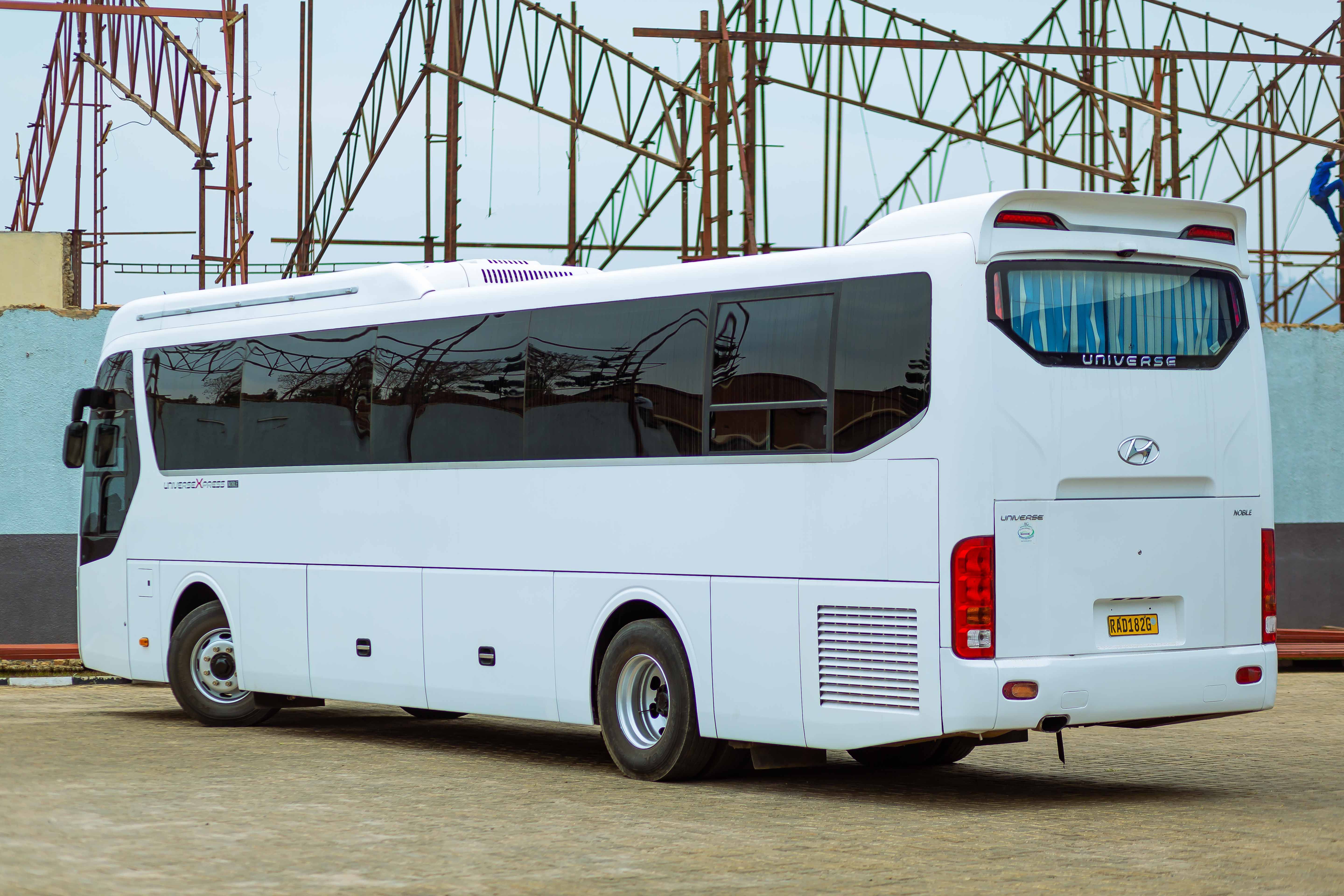
Ask a group of travelers what they check before boarding a charter bus and you'll hear about legroom, outlets, maybe the restroom. Almost nobody mentions brakes, or how long the driver has been on duty. The Federal Motor Carrier Safety Administration (FMCSA), which regulates interstate bus companies in the U.S., describes buses as one of the safest ways to travel overall. Even so, how safe your trip turns out to be depends on who operates the bus and how closely they follow the rules.
You notice the gap between a careful operator and a sloppy one most on demanding routes. Say your group books a denver charter bus rental for a ski weekend. Your driver will be handling the steep grades on I-70, plus mountain weather that can change quickly. It's fair to ask how much winter mountain driving the assigned driver has done. That question matters as much as the price.
Why Motorcoaches Have a Strong Safety Record
Part of the answer is how tightly the industry is regulated. Coach drivers need professional licensing, companies face federal inspections and audits, and their safety records are public. That oversight doesn't guarantee a perfect trip, but it gives passengers real ways to check an operator before they book.
Seat belts are the other piece passengers control directly. Federal rules have required lap and shoulder belts on new motorcoaches since late 2016. If your seat has one, use it.
Buses also share the road with everyone else. A motorcoach has wide blind spots and needs far more distance to stop than a passenger car, so drivers around one should leave plenty of room, avoid cutting in close in front, and stay out of areas where the bus driver can't see them. Keeping a safe following distance is one of the habits covered in this refresher on everyday driving rules, and it matters even more around large vehicles.
The Rules Behind Every Trip
The rules below apply to U.S. passenger carriers covered by federal regulations. Some states add their own requirements on top.
Driver Licensing and Testing
A regular driver's license won't put anyone behind the wheel of a motorcoach. Drivers need a commercial driver's license with a passenger endorsement and a valid DOT medical certificate. They're also part of a federal drug and alcohol testing program. A driver generally must pass a pre-employment drug test before starting safety-sensitive work, while pre-employment alcohol testing is optional for the employer. Once on the job, drivers are subject to random testing for both drugs and alcohol.
Those are legal minimums, not extras. Good operators add their own layers on top, such as stricter hiring standards, more frequent training, or route-specific preparation for mountain and winter driving.
Limits on Driving Hours
Fatigue is a serious crash risk, so federal rules limit how much a passenger-carrying driver can work. Under the standard federal rules, a driver may drive up to 10 hours after eight consecutive hours off duty, and can't drive at all after reaching 15 hours on duty. Weekly limits also apply.
That's why long itineraries deserve a closer look. If your trip includes a planned twelve-hour drive, one driver can't cover it in a single shift under the standard limits. The company might arrange a driver change partway along the route, send a relief driver, or schedule an overnight stop. Ask which approach they plan to use.
Inspections and Maintenance
Before driving, the driver must be satisfied that the bus is in safe operating condition, which includes things like brakes, tires, lights, and emergency exits. Drivers also report defects they find, and any problem that affects safe operation has to be fixed before the bus goes back into service. Separately, each covered vehicle must pass a periodic inspection by a qualified inspector at least once every 12 months.

How to Check a Charter Company Before You Book
You don't need industry connections to vet a bus company. FMCSA's Look Before You Book page has a free search tool. Enter a company's name or USDOT number to see its safety rating, operating authority, and inspection history.
Each of those results is a separate check. Don't book a carrier that has been placed under an out-of-service order, and don't book one that lacks the operating authority required to carry passengers. A final "Unsatisfactory" rating is also a deal breaker, since it bars a company from operating in interstate commerce. A "Not Rated" status is different. It means FMCSA hasn't evaluated the company's safety management yet, which doesn't automatically make the operator unsafe or unauthorized, but it does make the inspection history more useful to review.
Also, check the company that will actually run the bus. Some booking companies arrange trips through other operators, so ask for the carrier's name and USDOT number and search that.
If the records look clean, call and ask a few direct questions. How old is the bus assigned to your trip, and when was it last inspected? What insurance does the company carry? How will it handle driver hours on long routes? Do the coaches have seat belts? A reputable operator should answer clearly. Vague replies are worth noting.
Be careful with the lowest quote, too. It might reflect an efficient business, or it might reflect deferred maintenance and stretched schedules. Check the safety record before price decides for you.
Your Role Once You're on Board
Passengers can do a fair amount to protect themselves. Stay seated whenever the bus is moving, and keep your seat belt fastened if one is available.
When you sit down, look around for the exits. Besides the front door, most coaches have emergency windows with release handles and roof hatches. Your driver should point them out before departure. If not, look for the labels.
Keep the aisle clear. A backpack or cooler in the walkway becomes a real hazard if everyone needs to get out quickly, so stow bags in the overhead rack or the luggage bay.
Finally, if the driver seems drowsy, distracted, or impaired, say something. Tell your group leader or contact the company right away, and if you believe people are in immediate danger, call 911.
Safe Trips Start Before Departure Day
Licensing rules, hour limits, and inspection requirements give charter travel a solid foundation, but they only protect you when an operator follows them. Check the carrier's record, ask your questions before you sign, and wear your belt once you're rolling. A good trip is one where nobody has a reason to talk about the bus afterward.