
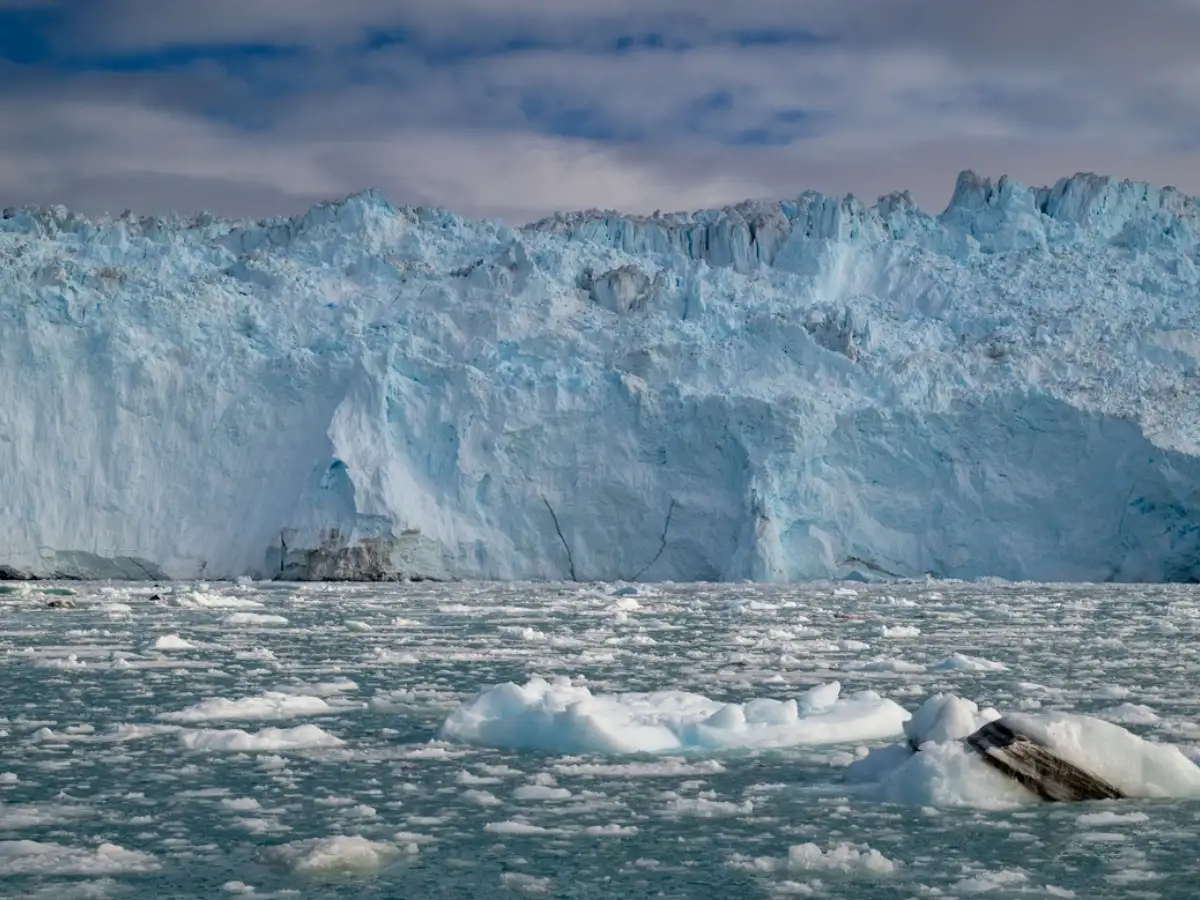
Most of the ancient carbon released from Arctic permafrost that reaches coastal sediments may remain buried rather than returning to the atmosphere, according to a new study published in Nature Geoscience. Researchers from the Alfred Wegener Institute (AWI) and MARUM at the University of Bremen found that microorganisms converted only about 10% of the permafrost-derived organic carbon in the studied sediments into gases capable of entering the water and eventually the atmosphere.
The research examined sediment from the waters off Qikiqtaruk, also known as Herschel Island, on Canada's Arctic coast. The findings offer a more detailed picture of what happens to ancient carbon after thawing permafrost and coastal erosion carry it into the ocean, although the researchers said some carbon may be broken down before reaching the seabed.













