Get all your news in one place.
100’s of premium titles.
One app.
Start reading
iMore
iMore
Technology
Oliver Haslam

Apple urges the UK to rethink anti-encryption plans that would change iMessage forever

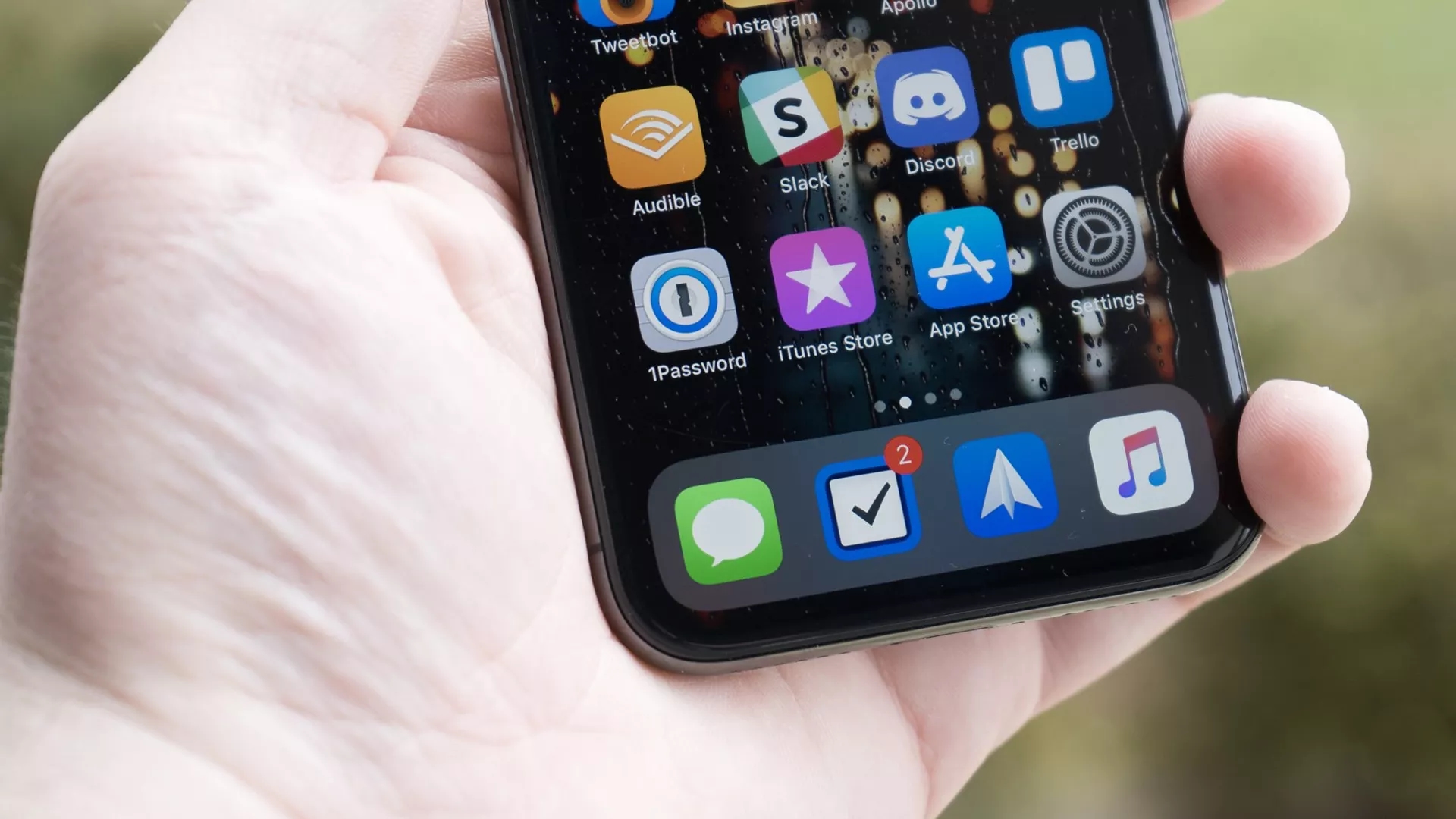
Messages app displayed on an iPhone

Apple has urged the UK to rethink plans that would force it and other messaging platform holders to bypass their own encryption to scan for child abuse images.

Apple's iMessage, like other messaging services from WhatsApp and Signal, uses end-to-end encryption to ensure that messages and their content remain private. But that means that illegal material can also be shared using those same services, and that's what the U.K.'s Online Safety Bill aims to prevent.

However, encryption prevents platform owners from scanning messages for such content, and for that reason, the bill would require that the encryption be bypassed. Apple, like others, wants to ensure that doesn't happen.

Privacy matters

The BBC reports that Apple has joined 80 other organizations and tech experts who have written to the U.K.'s Technology Minister Chloe Smith to ask for a rethink.

"End-to-end encryption is a critical capability that protects the privacy of journalists, human rights activists, and diplomats," Apple said in a statement. "It also helps everyday citizens defend themselves from surveillance, identity theft, fraud, and data breaches. The Online Safety Bill poses a serious threat to this protection, and could put UK citizens at greater risk."

However, the government told the BBC that it wants companies to only implement encryption if they can also prevent child abuse content from being shared on them. It isn't clear exactly how it expects that to happen, however.

This isn't the first time that Apple has been involved in controversy related to child abuse imagery. Its failed Child Sexual Abuse Material (CSAM) detection system launch would have seen all photos uploaded to iCloud also cross-referenced with hashed versions of known CSAM material. But Apple received so much backlash over the plans that they were ultimately canceled. People were concerned about the potential privacy implications.

Now, Apple finds itself with a similar issue — how can it protect children while still ensuring that it sticks to the privacy convictions it's so successfully turned into an advertising campaign in recent years? Apple clearly believes that the best iPhone is one that protects a user's privacy. The U.K. would appear to disagree.

Sign up to read this article
Read news from 100’s of titles, curated specifically for you.
Already a member? Sign in here
Related Stories
Top stories on inkl right now
One subscription that gives you access to news from hundreds of sites
Already a member? Sign in here
Our Picks
Fourteen days free
Download the app
One app. One membership.
100+ trusted global sources.