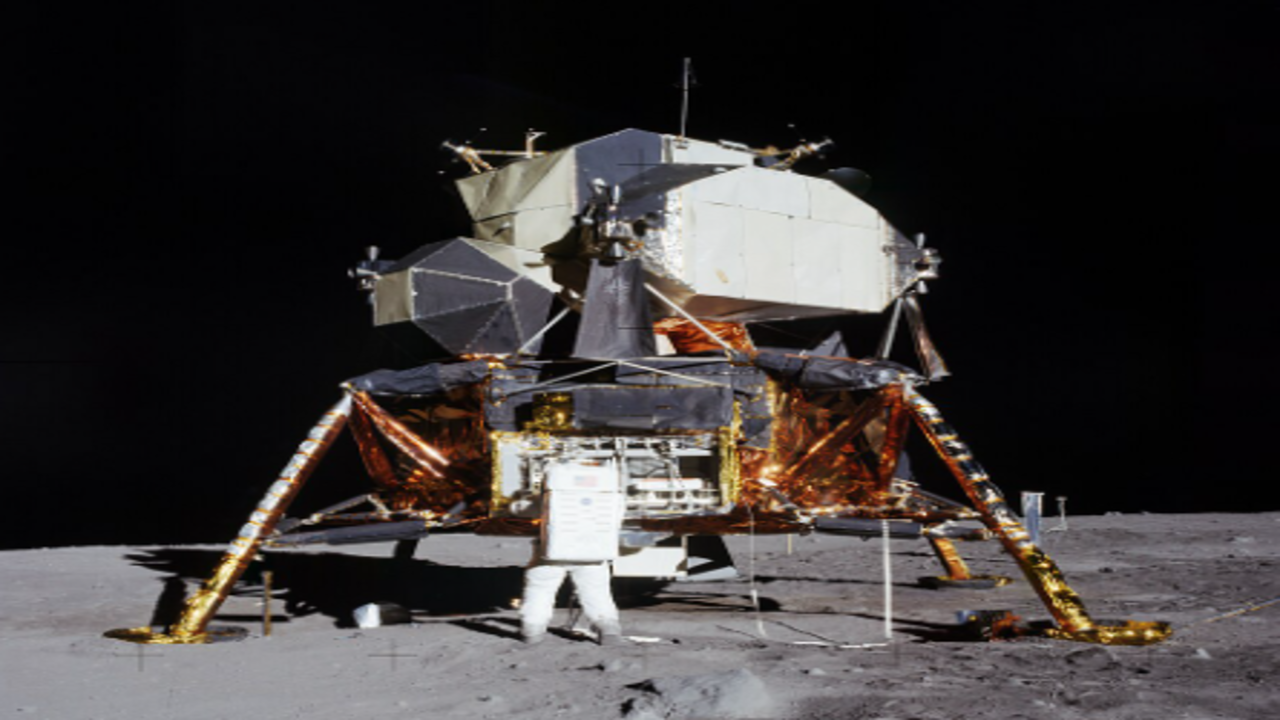
When Neil Armstrong and Buzz Aldrin stepped onto the Sea of Tranquility in July 1969, they deployed several scientific instruments during their moonwalk, including one designed not to study rocks or footprints but to detect seismic activity on the Moon. It was a seismometer, the first instrument placed on another world to detect the equivalent of earthquakes. That single, short-lived experiment marked the beginning of lunar seismology, a field that eventually let scientists build a detailed picture of what lies beneath the Moon's surface, though it took data from several later missions, not Apollo 11 alone, to complete that picture.
Get breaking news anytime, anywhere. Download the TOI app now!