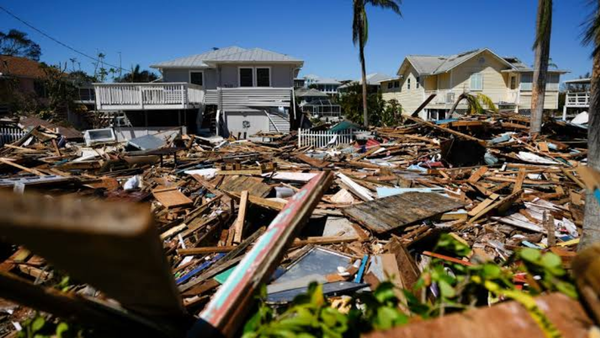
When floodwaters washed away Woudou Oumar’s home in northern Cameroon, he and his family lost not only shelter but hope. Then a government-supported cash transfer arrived. “The money transfer was a real boost for me and my family,” he says, explaining how he rebuilt his house, bought seeds for farming, paid for his daughters’ schooling, covered his son’s medical care after the disaster, and became more hopeful.
Stories like Woudou’s highlight how social transfers can shape more than incomes: they anchor people in their communities and influence how they experience and judge governmental support.
Governments and development partners around the world are now pouring unprecedented resources into social protection. From rural Bangladesh to urban Brazil, more than 120 low- and middle-income countries now provide some form of cash transfer to their poorest citizens. These programmes have succeeded in reducing poverty in both the short term and long term, improving education outcomes and promoting better health.