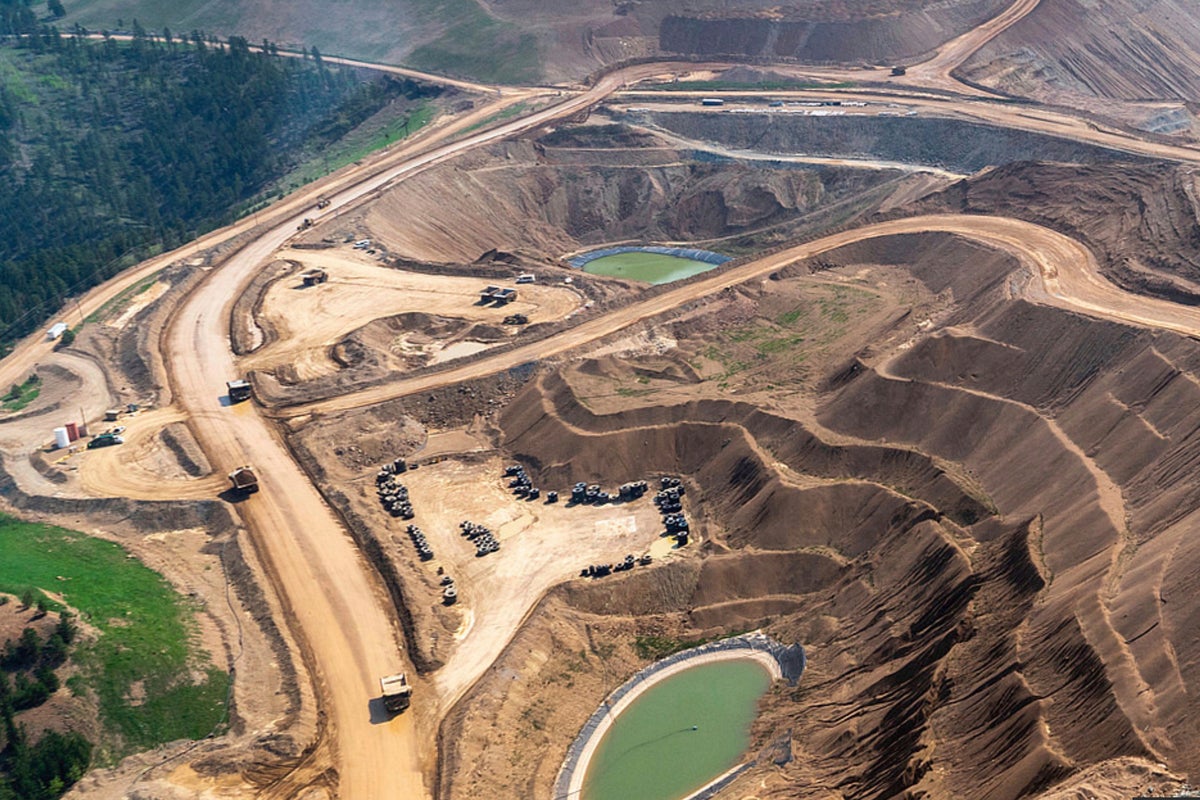
South Dakota's Black Hills, site of a 19th-century gold rush that displaced Native Americans, are once again attracting prospectors. With gold prices soaring above $3,000 an ounce, a new wave of miners seeks to exploit the treasured landscape. While promising an economic boost, this modern pursuit of wealth raises fears that contemporary extraction techniques could permanently scar the region, echoing the historical impact.
“These impacts can be long term and make it so that tourism and outdoor recreation is negatively impacted,” said Lilias Jarding, executive director of the Black Hills Clean Water Alliance. “Our enjoyment of the Black Hills as a peaceful place, a sacred place, is disturbed.”