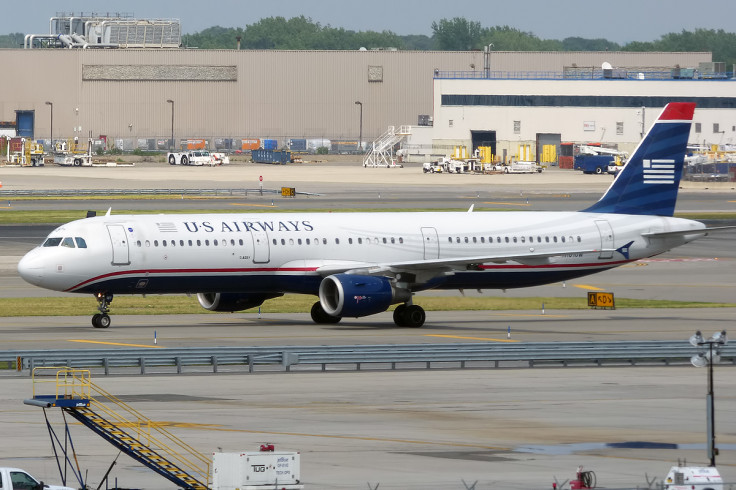
American Airlines Flight 2398 landed safely at Dallas-Fort Worth International Airport on 21 August after a passenger's laptop caught fire. The flight was travelling from Atlanta.
The incident has renewed attention on federal lithium battery safety rules. The Airbus A321 had about 133 people on board when smoke appeared in the cabin.

FAA Rules Keep Spare Batteries Out of Checked Bags
The Federal Aviation Administration says spare lithium-ion batteries must stay in carry-on baggage. Power banks and portable chargers are also prohibited in checked luggage. Passengers must remove these items if an airline checks a carry-on bag at the gate. Electronic cigarettes and vaping devices must also remain in the cabin.
Laptops may go in checked baggage if their batteries remain installed. Passengers must switch the devices off completely. They must also protect them from damage or accidental activation. The FAA recommends keeping laptops and similar electronics in accessible carry-on baggage. This allows cabin crew to reach a device quickly if it starts overheating or smoking.
Passengers should alert crew immediately if a device expands or catches fire. Airlines may also impose their own battery restrictions.
Which Batteries Can You Take on a Plane?
The FAA allows most rechargeable lithium-ion batteries rated at up to 100 watt-hours without airline approval. This limit covers many common consumer devices.
Batteries rated from 101 to 160 watt-hours require airline approval. Passengers may carry at most two spare batteries within that range.
Batteries above 160 watt-hours are prohibited on passenger aircraft. Travellers should check the label before flying with large batteries.
The FAA provides a simple calculation if the watt-hour figure is missing. Multiply the battery voltage by its amp-hour rating.
Damaged or defective batteries face stricter rules. Recalled batteries do as well.
The FAA says passengers must not carry batteries that could spark or produce dangerous heat unless they have been made safe. Travellers should check recall notices before packing questionable devices.
Dallas Fire Shows Why Cabin Access Matters
Flight attendants on Flight 2398 contained the burning laptop with a thermal containment bag. Emergency crews met the aircraft after it landed at about 6:55pm local time. American Airlines said smoke came from a customer's device during landing. The airline said the aircraft landed safely. It also praised the crew for containing the device.
Dallas-Fort Worth International Airport said one person received treatment at the scene. That passenger was later released. Air traffic control audio, monitored by flight tracking services, suggested additional communications about burns. Authorities have confirmed only one passenger received treatment.
Lithium-ion batteries can enter thermal runaway when internal heat rises uncontrollably. The FAA says damage or overheating can trigger the process. Overcharging can also cause a failure. Manufacturing defects may trigger the same reaction without warning.
The FAA tracks aviation incidents involving lithium batteries that produce smoke, fire or extreme heat. Its public database was last updated on 11 August 2026. The agency says the database does not include all incidents known to authorities. It recorded 76 lithium battery incidents in 2023. Of those, 63 occurred on passenger aircraft.
How To Protect Spare Batteries
The FAA says travellers should protect spare battery terminals from short circuits. Original packaging or terminal covers can help. Passengers can also use tape or separate protective bags. These measures prevent exposed terminals from touching metal objects.
Travellers should inspect batteries before departure. Any device that becomes unusually hot should be reported to cabin crew immediately.
The FAA is investigating the Flight 2398 incident. Investigators have not yet identified why the laptop caught fire. For passengers, the lesson is clear: pack spare batteries in carry-on luggage, protect their terminals, and alert crew immediately if a device shows signs of overheating.