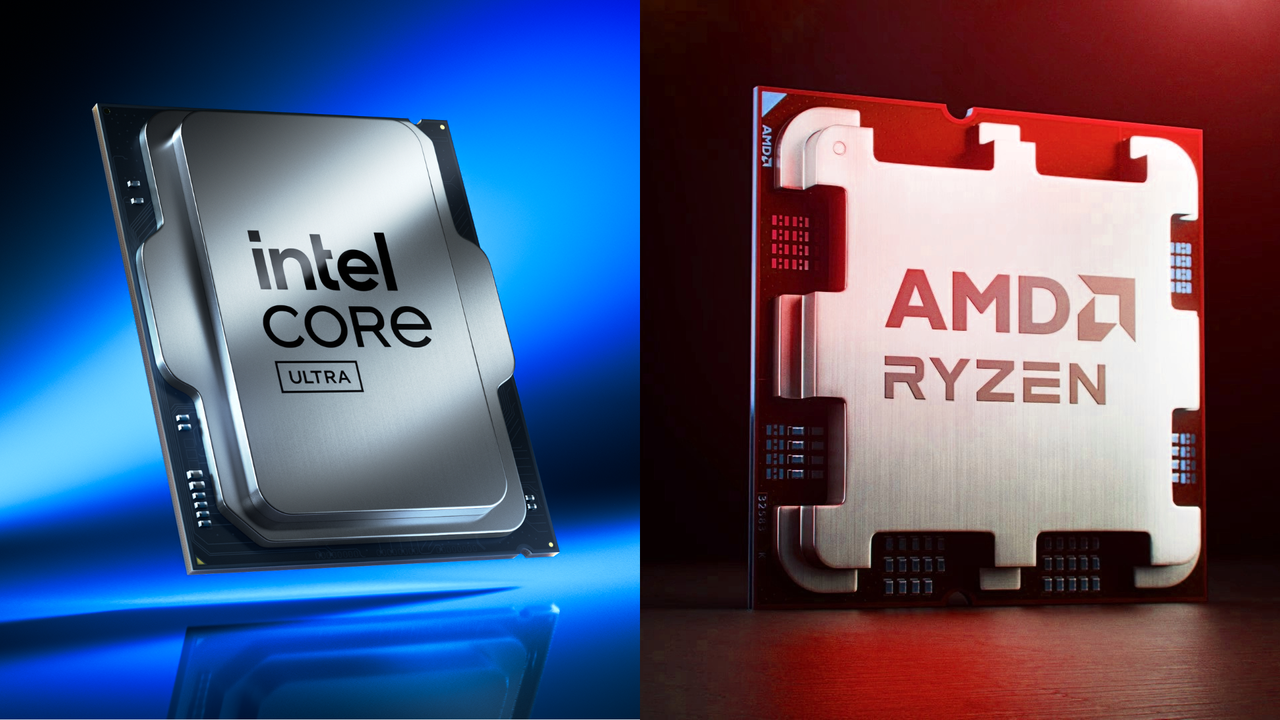
The state of the PC, nay, the tech industry at large, is one of confusion right now, characterized by the somewhat still ongoing AI boom despite little real-world benefits. RAM is already three times as expensive, while SSD and GPU prices are also rising. Now, it seems upcoming CPUs are being affected, too, as new info suggests that both AMD and Intel are eyeing delayed launches for their next-gen desktop lineups.
According to Benchlife, the Ryzen 10000 "Olympic Ridge" family is expected to arrive in 2027. This seems to be in stark contrast to prior comments from AMD, which had confirmed that Zen 6 was a 2026 product on its roadmap. In 2025, the company even said that its EPYC "Venice" CPUs based on Zen 6 would launch next year (aka 2026). Data center and server releases are almost always followed by consumer releases.
So, a staggered launch for Zen 6 was likely the plan all along, but the manufacturing crisis might have pushed its mainstream desktop release beyond 2026 to minimize turbulence. An older roadmap leak for AMD's mobile CPUs did put Zen 6 as a 2027 release, so it was never truly confirmed when Olympic Ridge would launch specifically. There was just a general assumption that it would line up with Nova Lake.
Funnily enough, that's still possible as Nova Lake seems to have been pushed back as well. On Weibo, leaker Golden Pig Upgrade has claimed that the Blue Team's next-gen desktop CPUs will be released in 2027, despite CEO Lip-Bu Tan previously confirming a year-end launch. There's still a chance that initial Nova Lake variants come out in Q4 2026, with Nova Lake-S to be officially unveiled at CES 2027.

It's too early to speculate on all this, since Intel's upcoming Arrow Lake refresh hasn't even been announced yet, and the company just launched Panther Lake for mobile devices. AMD is more straightforward, as its next desktop launch is supposed to be Zen 6 with no stopgaps in between. Besides, given the current state of the tech landscape, these reports are only really unearthing rationality rather than revealing shocking information.
Last year, Intel said it was shifting production capacity from consumer chips to data center CPUs, and it's no surprise to see this now. Nearly every company has begun prioritizing AI money — that's how we're in this mess after all — so even though there's no reason given for Nova Lake-S' delay, we might be able to connect the dots with the little info we have.
We do know a lot about specs; however, a couple of days ago, we covered the leaked Zen 6 core configs, which are expected to finally introduce a 12-core CCD, enabling a new 24-core Ryzen flagship. Top-end Nova Lake is a 52-core behemoth on the other hand, with up to 288 MB of bLLC to compete with X3D chips. Either family is set to bring major architectural improvements, so the battle is sure to be spicy.

Follow Tom's Hardware on Google News, or add us as a preferred source, to get our latest news, analysis, & reviews in your feeds.