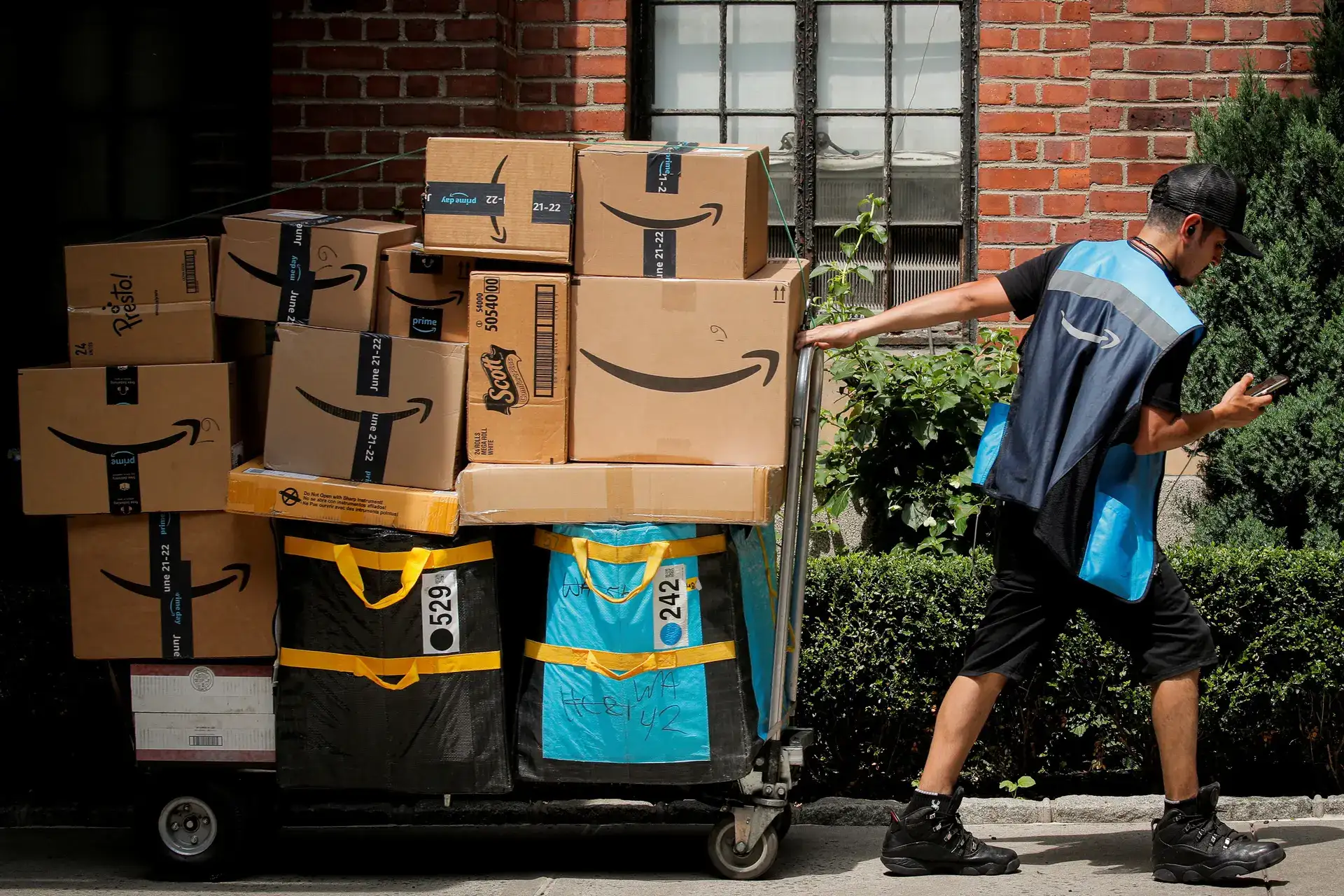
Amazon Prime Day 2026 starting on Tuesday will be a litmus test of U.S. shoppers' spending power, with the earlier-than-usual sales event increasingly centered on perishable groceries, household basics and back-to-school needs rather than carefree splurges. The four-day blitz running June 23 to 26, comes after Amazon shifted it from July, citing a calendar crowded by the FIFA World Cup and the 250th anniversary of U.S. independence. The earlier timing could also capture spending on summer travel, July Fourth stock-ups and back-to-school shopping. What shoppers add to their carts is as important as how much they spend, helping gauge whether recent U.S. consumer resilience is holding or beginning to crack. Squeezed by inflation — up 4.2 per cent in May at its fastest pace in three years — and a surge in gas prices driven by conflict in the Middle East, most lower- and middle-income consumers have eschewed big-ticket items.
Amazon has highlighted deals on groceries, household goods, travel and school items, and said fresh food and essentials are becoming a larger part of Prime members' baskets as it expands same-day delivery.