
When Donald Trump's lawyers urged a federal appeals court to approve "absolute" presidential immunity last month, they argued that it was necessary to prevent frivolous, politically motivated criminal charges against former presidents. Last week, the U.S. Court of Appeals for the D.C. Circuit unanimously rejected that argument, along with the other reasons Trump offered for shielding him from prosecution for trying to reverse the outcome of the 2020 presidential election. The three-judge panel said the danger Trump perceived "appears slight" given prosecutors' "ethical obligations" and "additional safeguards," such as "the right to be charged by a grand jury upon a finding of probable cause."
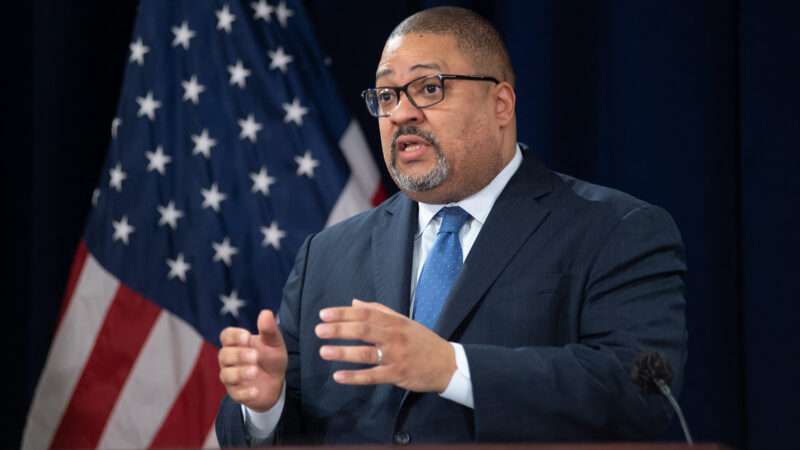
Manhattan District Attorney Alvin Bragg's case against Trump, which is now scheduled for trial on March 25, would not have been affected by the immunity that the D.C. Circuit declined to recognize, because it is not based on Trump's "official acts" as president. But the case shows that prosecutorial ethics and grand juries are no guarantee against partisan manipulation of the criminal justice system.













