Get all your news in one place.
100's of premium titles.
One app.
Start reading
The Conversation
The Conversation
John Donne Potter, Professor of Public Health, Te Kunenga ki Pūrehuroa – Massey University

Almost 200,000 New Zealanders are now living with long COVID – where is the government plan?

Getty Images

A high prevalence of long COVID is perhaps the starkest reminder that the pandemic is far from over.

The latest New Zealand Health Survey confirms the impacts of the COVID pandemic continue, six years after the initial outbreak. The data show most New Zealanders (77.7% or about 3.3 million people) have had COVID at least once.

Many people reported changes in health after COVID, but about one in 11 adults (401,000 people) described symptoms lasting three months or longer. These were health impacts they had not experienced prior to the COVID infection and could not be explained by a different diagnosis.

Women were more likely to report symptoms of long COVID – about 1 in 7 women (14.9%) compared to 1 in 12 men (8.5%). Only among people above the age of 65 were the rates similar in women and men.

One in six Māori adults (15.5%) reported having had long COVID symptoms, compared to one in nine non-Māori adults (11.3%), and among people living with disabilities, one in four (22.8%) experienced lasting symptoms.

Overall, 11.9% of adults who contracted COVID developed long COVID following the acute phase, and almost half (48.5%) of them were still experiencing symptoms at the time they completed the survey.

New Zealand must take long COVID seriously. Denial of these impacts and delays in providing appropriate care mean New Zealand is missing opportunities to limit harms to individuals and society.

What these findings mean for New Zealand

The latest results are backed up by evidence from international studies and previous health survey research, which shows that a fifth of children in New Zealand reported persisting symptoms after COVID infection.

Self-reported surveys can either under-count or over-count prevalence, but the New Zealand health survey is designed to be representative. This is currently our best estimate of long COVID in New Zealand adults but is probably an under-count because the risk of developing long COVID increases with reinfection.

Since the survey was completed, there have been many more COVID cases and New Zealand is now experiencing a ninth wave, which means we can expect further long COVID cases.

Long COVID can affect every organ, including the cardiovascular, immune and nervous systems.

The main symptoms include cognitive dysfunction (brain fog), fatigue and post-exertional malaise. But COVID infection can also cause chronic disease without symptoms, with “silent” cell and organ damage that may predispose people to later illness.

The survey findings are concerning. The accepted definition of a rare disease is one case in 2,000 people. If a condition is more common than that, the number of people affected becomes high enough to need specific health services.

The long COVID prevalence of 9.2% of all adults in New Zealand is more than a hundred times greater than this rare-disease threshold.

The practical implications are clear. Long COVID is a health burden which must be addressed by specific health-service resources.

The cost of delayed action

More than 12 months ago, we published an extended analysis of the state of long COVID in Aotearoa New Zealand. We noted it remained a risk following any COVID infection or reinfection and carried a substantially increased risk of sudden death and organ damage.

We also noted that vaccination reduces the risk.

We urged the government to establish a coordinated response that included treatment and support services, public health and social measures to protect the community, a programme to maximise vaccine coverage, a clear information campaign and targeted surveillance – and more research.

Very little has been instituted. This indifference extends even to the data the government itself has collected. The data collection for this latest health survey was completed in 2025, and it is concerning the findings have only been released now, and only after a request under the Official Information Act.

These data have also been publicised largely by the coordinating group for Long Covid Support Aotearoa, not by Health New Zealand.

Inaction on respiratory infections is costing us dearly, both in terms of people’s health and a loss in productivity. Long COVID is still very challenging to treat but already some new approaches are looking promising. Much can be done to prevent new cases and to support those already affected.

Slowing the spread of COVID through communities is an important and feasible goal. One of the most basic but effective measures is promoting a culture of staying home when sick.

Providing a good standard of indoor air quality in public settings through a mix of ventilation, air filtration and specific ultraviolet lighting is highly achievable and has multiple benefits in reducing sickness rates from other respiratory infections.

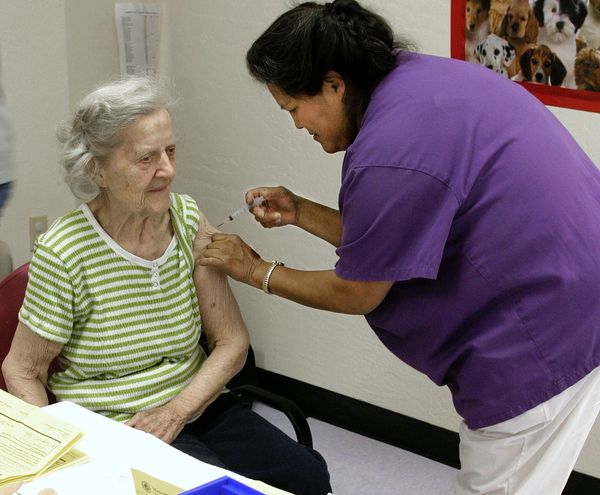
Recent research shows COVID vaccines are still able to deliver a meaningful reduction in the severity of acute infection and risk of long COVID.

Running alongside prevention is the need to support those already affected by establishing and maintaining specific tailored care for symptom management and financial safety nets for those unable to work.

Policymakers and the public are reluctant to even speak of COVID in the present tense, but the evidence shows it is still a major infectious disease in Aotearoa New Zealand, with wide-ranging negative impacts.

There is a mutual support group for people with Long COVID but the government can and should be doing more to protect the population and limit this social and economic harm.

The Conversation

The authors do not work for, consult, own shares in or receive funding from any company or organisation that would benefit from this article, and have disclosed no relevant affiliations beyond their academic appointment.

This article was originally published on The Conversation. Read the original article.

Sign up to read this article
Read news from 100's of titles, curated specifically for you.
Already a member? Sign in here
Related Stories
Top stories on inkl right now
One subscription that gives you access to news from hundreds of sites
Already a member? Sign in here
Our Picks
Fourteen days free
Download the app
One app. One membership.
100+ trusted global sources.