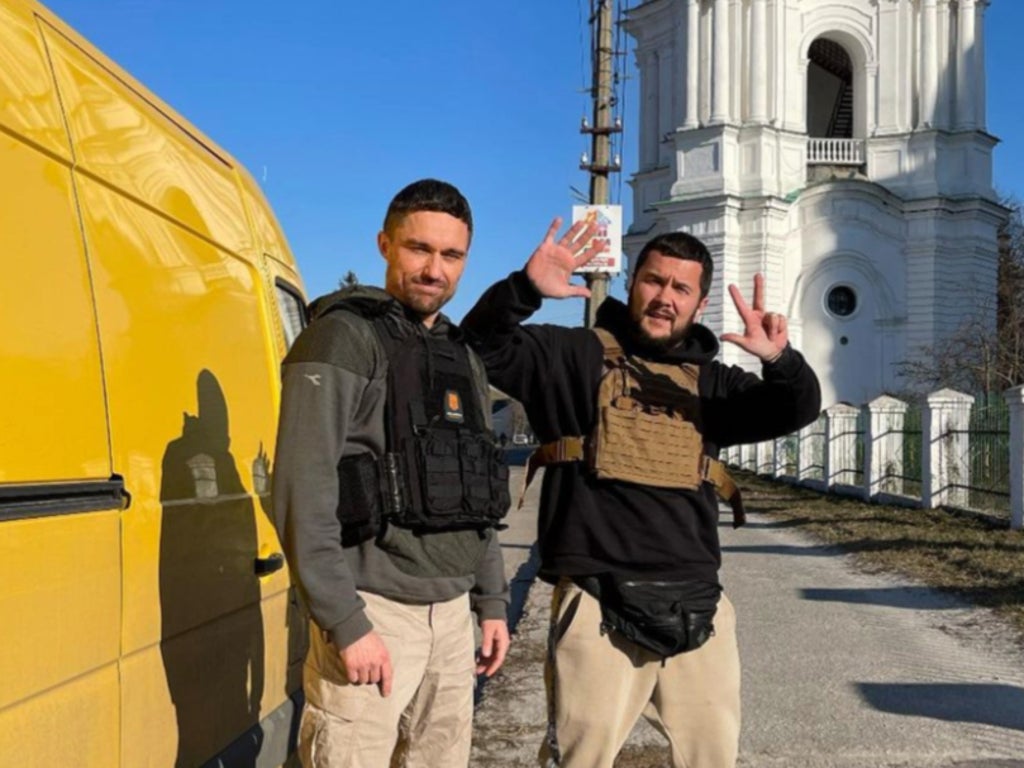
Alex Dolgopolov thought nothing unusual of sleeping in his car last night after a warning came through that the military base near his home in Kyiv might be the target of a missile attack. Somehow the rhythms of war start to feel normal after a while: the wail of sirens, the horror stories passed between neighbours, the wreckage he’s witnessed in small towns first-hand closer to the front line. Even coming to understand the worst atrocities of Russia’s invasion, which he is sure extend far beyond the war crimes discovered in Bucha, has become part of the daily ritual of survival. Dolgopolov’s 15-year tennis career taught him how to numb his emotions and, less than a year after retiring, he still finds it is the best way “to manage to live and take the pain”.
But in the same way it has become all too familiar for him, Dolgopolov fears the world has become too accustomed to what is happening in Ukraine. On Tuesday afternoon, Wimbledon became the first grand slam to ban Russian and Belarusian athletes from participating. But shortly after the announcement, the men’s and women’s tours, as well as players such as Novak Djokovic and Martina Navratilova, all condemned the decision as unfair on individual athletes. For Dolgopolov, those positions miss the point entirely. Fair was a ship that sailed away on the first missile strike and the cost of someone like Daniil Medvedev missing a the tournament is irrelevant when set against the prospect of what a Russian winning such a global event would represent.