
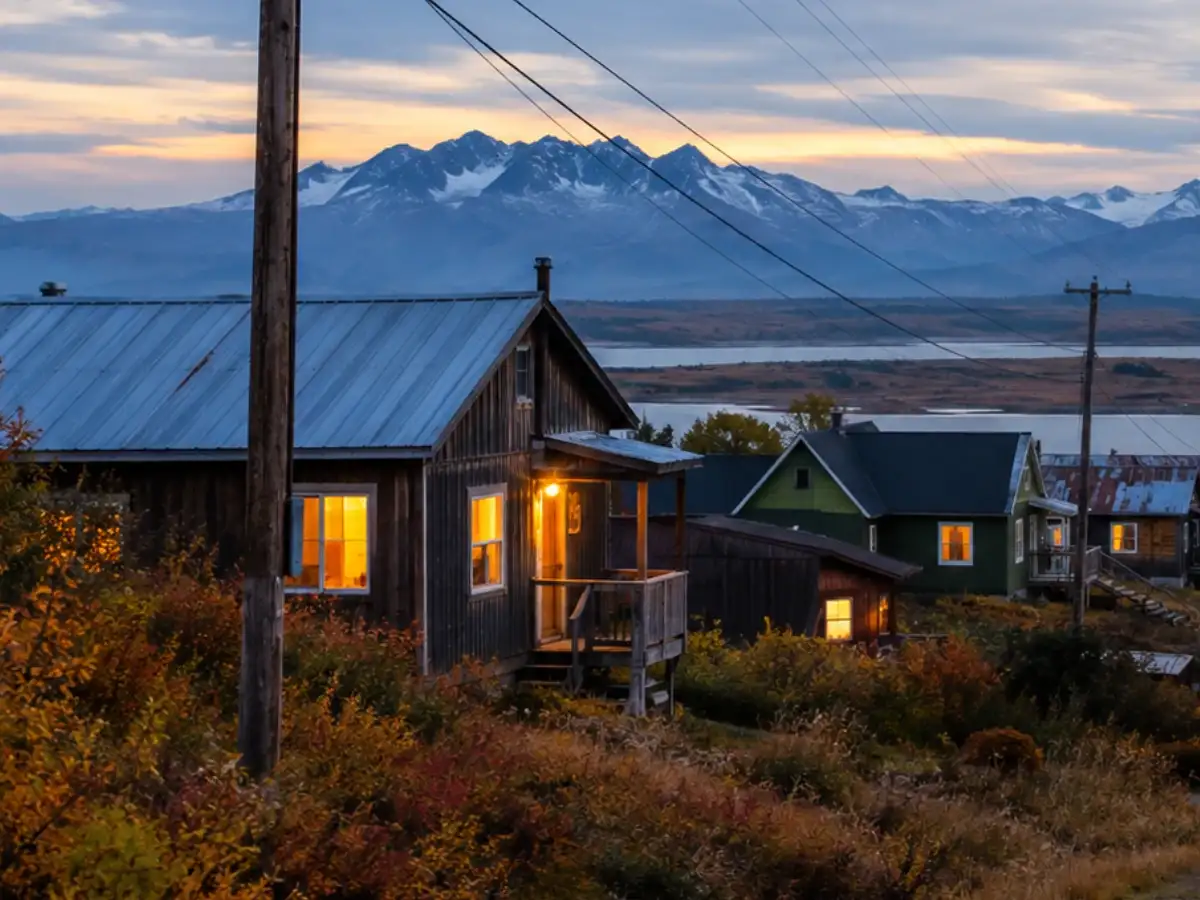
Alaska spent about $46.9 million in fiscal year 2025 to keep electric bills low in some of the most remote parts of the country. That money went to 186 communities and covered 148.5 million kilowatt-hours (kWh) of eligible power, according to the Alaska Energy Authority's Power Cost Equalization Program Statistical Report FY2025. Fiscal year 2025 ran from July 1, 2024, to June 30, 2025. The program is called Power Cost Equalization, or PCE, and it began in 1984. The figures showed how much power bills can vary depending on where you live.
Why electricity costs more in remote Alaska

A 2015 U.S. Energy Information Administration (EIA) analysis explained how Alaska was adding wind power capacity in utility-scale and distributed-scale projects. Many remote Alaska communities rely on local diesel generators for electricity. The analysis also noted that about a third of the state's population was off the grid, and that in 2013 Alaska's average retail rates were second only to Hawaii's. The EIA put the cost of building transmission lines at $200,000 to $2 million per mile because of rough terrain, ice, melting permafrost, and a lack of roads. A University of Pennsylvania Kleinman Center commentary titled 'Tensions in Renewable Policy Development in Alaska' notes that diesel reaches isolated towns by truck, plane, boat, or some combination of the three. As a result, the commentary says, diesel-generated power in rural communities is typically three to five times more expensive than power delivered along the Railbelt, the main grid that runs from south-central Alaska to Fairbanks.







