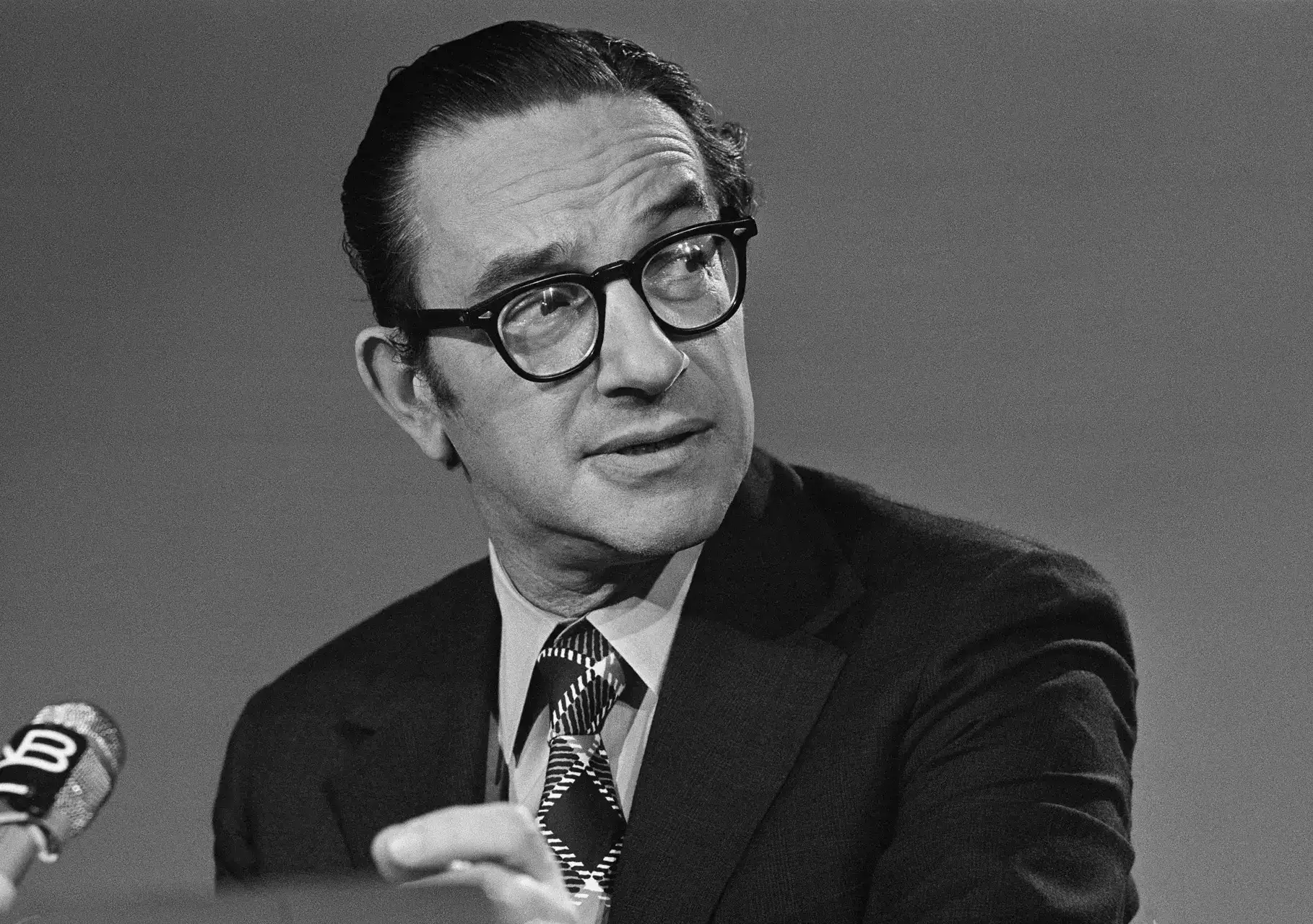
Former U.S. Federal Reserve Chairman Alan Greenspan has died at the age of 100, according to reports. The CNBC report confirmed his passing and highlighted his long and influential career in global economics and U.S. monetary policy. Following the news, public attention has also turned toward discussions around age-related illnesses, particularly Parkinson’s disease, as readers search for background health information linked to elderly public figures.
ALSO READ: Woman accused of making anti-Islam remarks in viral store video raises over $85,000

What Is Parkinson Disease?
Parkinson’s disease is a progressive neurological disorder that primarily affects movement. It develops when nerve cells in the brain that produce dopamine gradually become damaged or die. Dopamine is responsible for controlling smooth and coordinated muscle movements. Parkinson's is the second-most common neurodegenerative disease after Alzheimer's disease.
Over time, the loss of dopamine leads to symptoms that interfere with daily activities, including walking, speaking, and balance control. According to Parkinson.org:
- Parkinson’s disease affects more than 1.1 million people in the U.S.
- Nearly 90,000 people are newly diagnosed each year.
- The Parkinson’s Foundation studies reveal that PD prevalence and incidence increase with age, affect men 1.5 times more than women and are higher in regions like the Rust Belt, Southern California and Florida.
Parkinson Disease Symptoms
Common symptoms include:
Tremors, often starting in the hands
Muscle stiffness
Slowed movement (bradykinesia)
Impaired balance and coordination
Changes in speech and writing
As the condition progresses, symptoms may become more severe and affect independence.
What Causes Parkinson Disease?
The exact cause of Parkinson’s disease is still not fully understood. However, researchers believe it is linked to a combination of genetic and environmental factors.
Possible causes and risk factors include:
Genetic mutations in certain cases
Exposure to toxins or pesticides
Age-related degeneration of brain cells
Reduced dopamine production
In most cases, the disease develops without a clear single trigger.
Parkinson Disease ICD-10 Code
In medical classification systems, Parkinson’s disease is listed under the ICD-10 code G20. This coding is used by healthcare professionals for diagnosis, billing, and research purposes.
Stages of Parkinson Disease
Parkinson’s disease is typically divided into five stages:
Stage 1: Mild symptoms on one side of the body
Stage 2: Symptoms affect both sides, but balance is intact
Stage 3: Noticeable balance issues and slowed movement
Stage 4: Severe symptoms requiring assistance
Stage 5: Advanced stage with significant mobility loss
Each stage reflects gradual progression over time.
What Causes Parkinson’s and Why It Develops
Scientists continue to study why Parkinson’s disease develops in some individuals and not others. Aging remains the strongest known risk factor, while brain changes involving dopamine-producing neurons are central to the condition.
Although no cure exists yet, treatments focus on managing symptoms and improving quality of life through medication, therapy, and lifestyle adjustments. Parkinson disease
Parkinson’s disease remains one of the most researched neurological disorders, especially as global life expectancy increases. Awareness of symptoms, causes, and progression can help with early recognition and better management of the condition.