
Get all your news in one place.
100's of premium titles.
One app.
Start reading
AAP
AAP
Environment
Jennifer Dudley-Nicholson

AI's dirty secret: data centre boom threatens resources

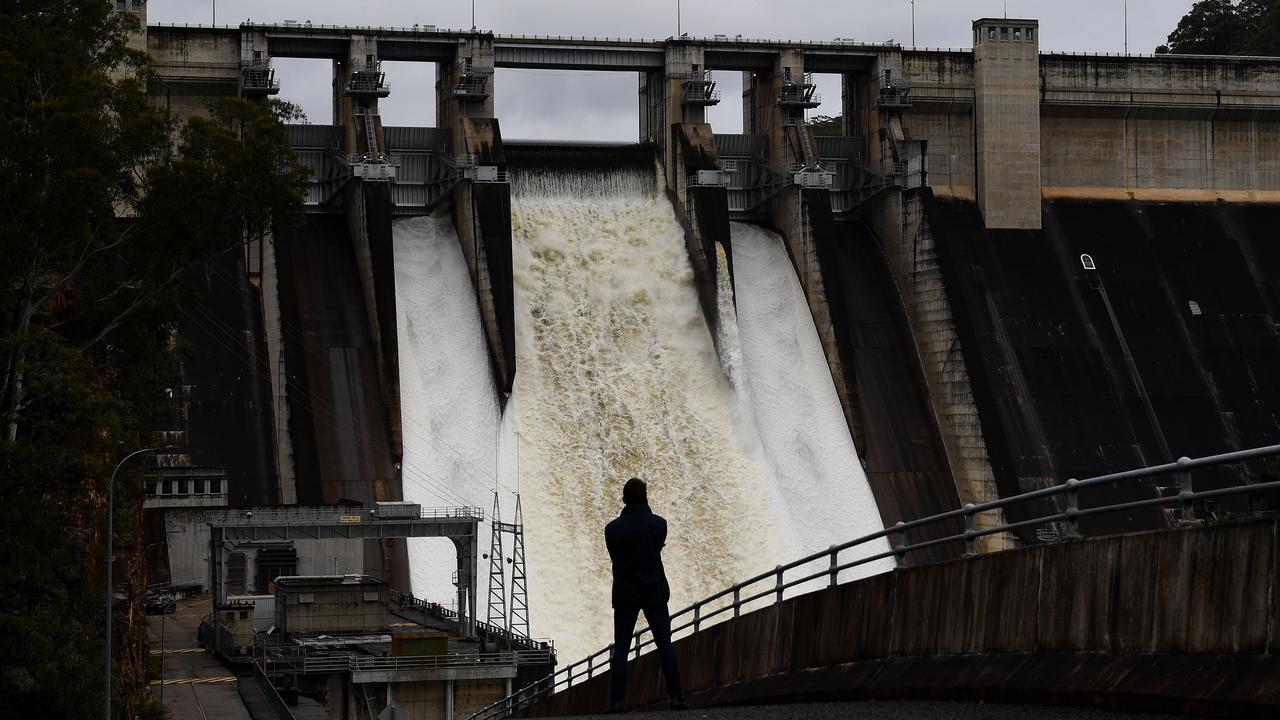
AI data centres could use the equivalent of drinking water needed for more than 8 billion people. (Dan Himbrechts/AAP PHOTOS)

Data centres could produce as many emissions as the United Kingdom by the end of the decade, occupy as much land as Northern Ireland, and consume enough water to meet the drinking needs of every person for more than a year.

The United Nations issued the warnings in a report into the environmental impact of artificial intelligence on Thursday, which also called for regulatory changes to avert its most harmful impacts.
The findings come as technology companies race to build more data centres in Australia, and less than a month after the Senate launched an inquiry into their regulation and spread.

The 56-page report from the United Nations University Institute for Water, Environment and Health analysed the direct and indirect impacts of data centres, including their energy, water and land use, as well as carbon emissions.

A data centre construction site in Sydney (file image)
Australia has joined the data centre boom, but there are worries about their use of resources. (Mick Tsikas/AAP PHOTOS)

It found if data centres were considered a country, they would have ranked 11th in the world for electricity consumption in 2025, and consumed enough water to fill 1.8 million Olympic-sized pools.

Global AI investments were expected to multiply 25 times over a decade, however, rising from $US189 billion in 2023 to $US5 trillion in 2033.

Their environmental impact would also skyrocket, the report found, and in 2030 data centres would climb to 6th in the world for energy consumption and use more than 14,000 square kilometres of land to generate electricity.

The AI hubs could also generate 400 million tonnes of carbon emissions by 2030, equivalent to the UK's output in 2025, and use 9.3 trillion litres of water – enough to provide drinking water to 8.1 billion people for 1.6 years.

Electronic waste could also be an environmental risk, the study said, with data centres generating up to 2.5 tonnes of it by 2030.

AI apps on a phone (file image)
The UN report highlights the hidden environmental costs of AI tools. (George Chan/AAP PHOTOS)

The findings showed virtual AI tools would have a significant impact on the physical world, report lead investigator Kaveh Madani said.

"Behind every prompt, image or video lies a growing infrastructure of energy systems, water withdrawals, land use, mineral extraction and electronic waste," he said.

"This report is a call to make those hidden environmental costs visible before they become unmanageable."

The report called for greater transparency, efficient design and global co-operation on data centres, and issued a series of recommendations including disclosures about energy use, more community consultation, and government-issued standards.

Australian technology experts largely welcomed the report but some said AI tools were not the biggest contributor to climate change or single-handedly responsible for computing's carbon footprint.

Clean energy, more efficient hardware and transparent reporting should become the standard for all technologies including AI, Australian Catholic University associate professor Walayat Hussain said.

"AI is adding new demand and in some cases accelerating it sharply but it is not scientifically accurate to place the whole burden of the digital infrastructure problem on AI alone," he said.

Sign up to read this article
Read news from 100's of titles, curated specifically for you.
Already a member? Sign in here
Related Stories
Top stories on inkl right now
One subscription that gives you access to news from hundreds of sites
Already a member? Sign in here
Our Picks
Fourteen days free
Download the app
One app. One membership.
100+ trusted global sources.