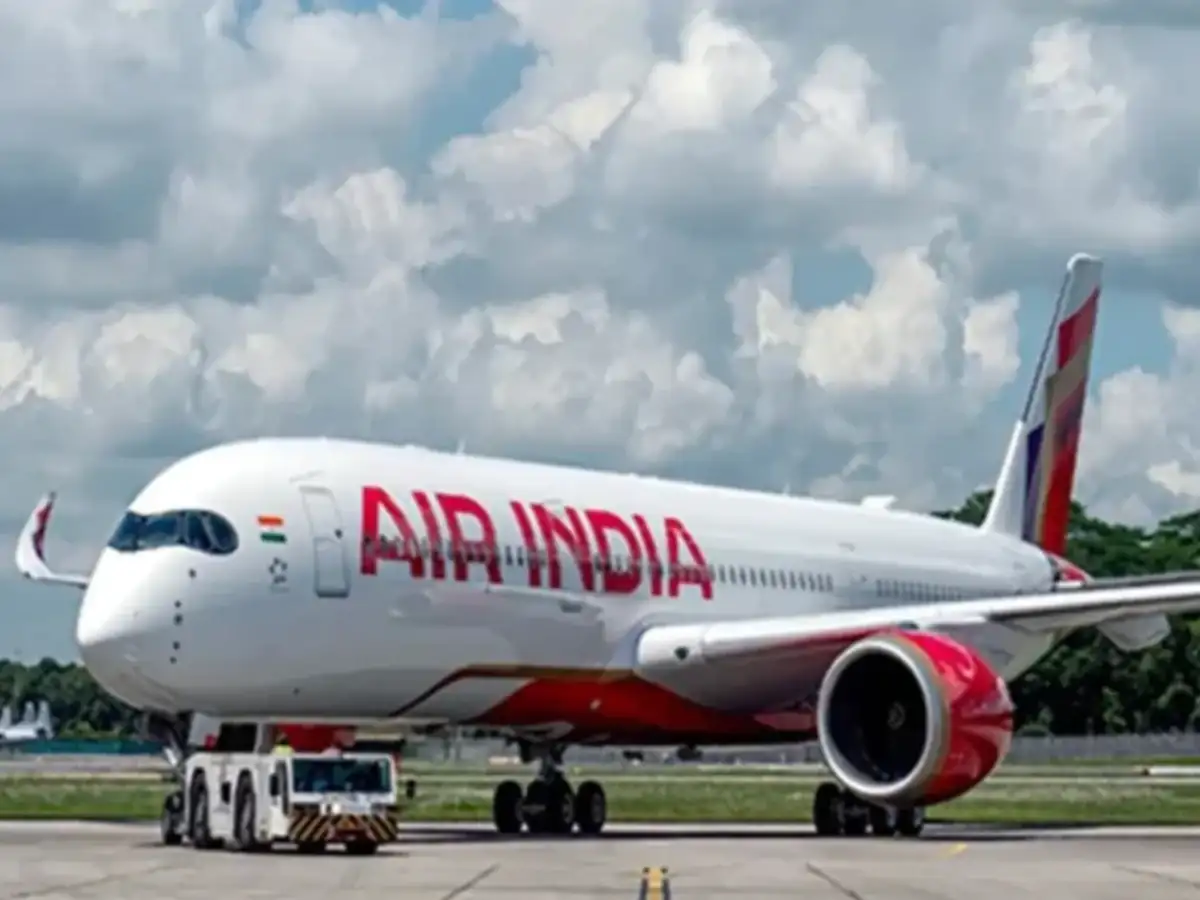
The captain who operated Air India’s turbulence-hit Phuket-Delhi flight on August 4 has reportedly tested positive for psychoactive substances in a post-flight dope test, The Times of India reported citing multiple sources.
The airline, however, has neither confirmed nor denied the reported result, saying the test was conducted but its findings have not been shared with Air India.

“We are aware that a post-flight screening test was conducted on the pilots in accordance with applicable protocols. However, the results of the test have not been shared with Air India, and we are therefore not in a position to comment on any findings,” TOI quoted an Air India spokesperson as saying.
Also Read: Air India Phuket-Delhi turbulence- DGCA probe on, 4 crew members still hospitalised
“Air India undertakes regular drug testing of crew members in compliance with civil aviation regulations, independent of any specific flight or operational incident. We will continue to cooperate with the relevant authorities as required,” the airline added.
The Airbus A320, carrying 145 people, encountered severe turbulence near Odisha before suddenly dropping around 300 feet. After landing in Delhi, 13 passengers and four crew members were hospitalised.
According to TOI, the Directorate General of Civil Aviation (DGCA) is examining the incident from multiple angles. The probe includes whether the pilots handled the turbulence appropriately, whether weather or another factor caused the event, and whether the aircraft suffered any damage, including possible hydraulic-system failure following the sudden drop.
Investigators are also examining whether the aircraft should have diverted to a closer airport, such as Varanasi or Lucknow, instead of continuing to Delhi.
Crew taken off flying duty
The pilots of the flight are currently not flying, in line with the protocol followed while the investigation is pending.
Also Read: Air India Phuket-Delhi flight suffers sudden 300-foot altitude loss, several passengers injured
DGCA regulations provide for specific action when a crew member tests positive for psychoactive substances. For a first positive test, the pilot is referred for de-addiction and rehabilitation. The crew member can return to active flying after submitting a negative dope-test report.
A second positive test after returning to flying can result in suspension of the pilot’s licence for three years. A third positive test can lead to cancellation of the flying licence.
The International Civil Aviation Organization (ICAO) states that “holders of licences shall not exercise the privileges of their licences and related ratings while under the influence of any psychoactive substance, which might render them unable to safely and properly exercise these privileges”.
The reported dope-test result adds another line of inquiry to the DGCA investigation, which was already examining the crew’s handling of the severe turbulence and the aircraft’s condition following the incident.