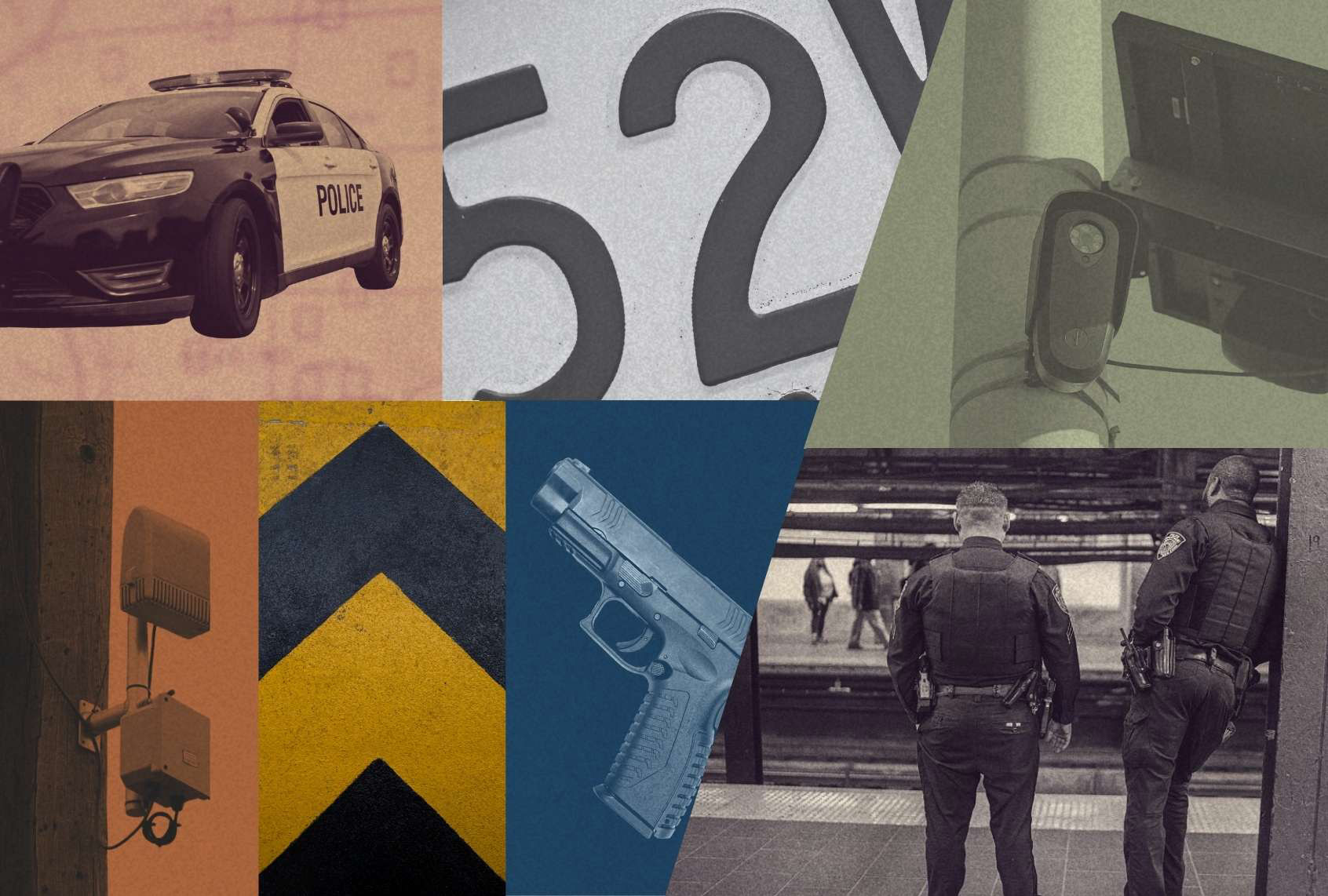
Forty years ago, “RoboCop” imagined a world in which a police officer could be recast as a highly efficient, if inhuman, crime-fighting cyborg. Today, in an age when artificial intelligence is promoted as synonymous with modernity, police departments across the U.S. are embracing all manner of machines that are not only, by definition, inhuman — but also, according to critics, not very efficient at actually maintaining public safety.
Over the last few years, police have arrested scores of people using AI facial-recognition tools, only to find out later that many of them were miles away from where an alleged crime took place, or physically incapable of committing it. Most of those false leads targeted people of color. Those incidents potentially reveal the material function of AI tools that are increasingly being used by law enforcement, as well as the pitfalls of automating not only the management and discipline of specific communities, but also the legitimacy of their use of force.