
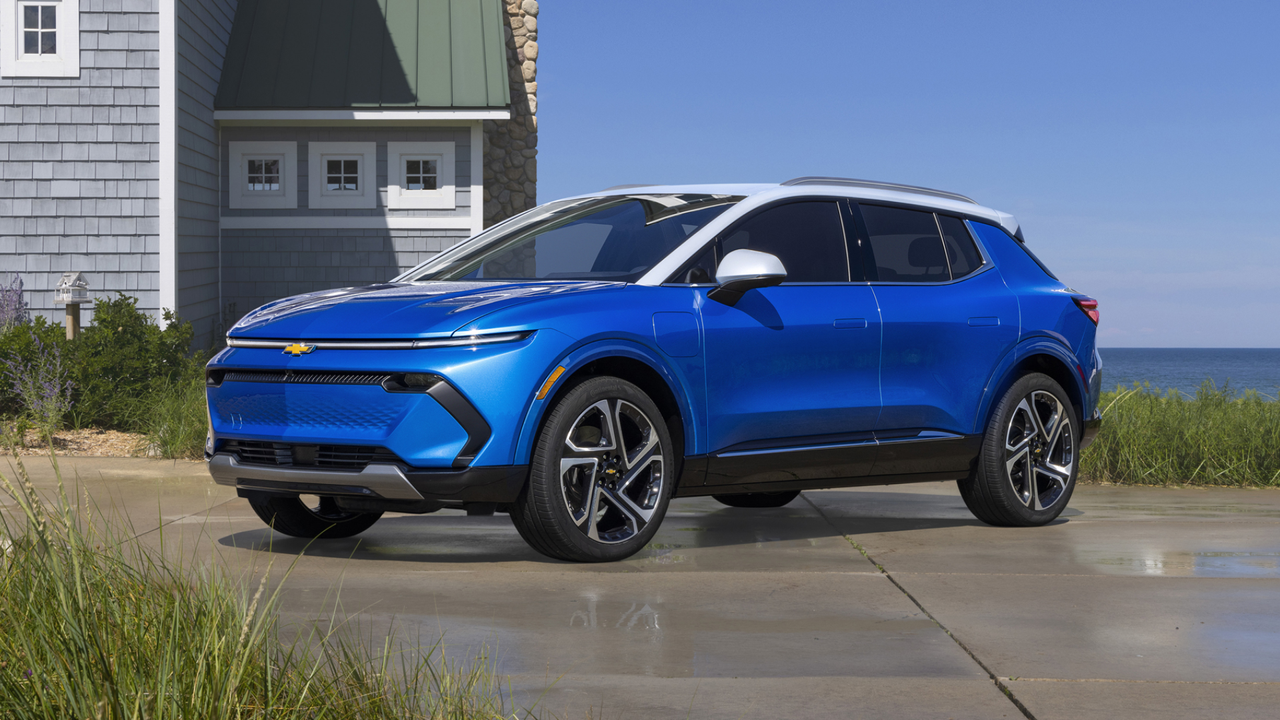
While PC builders, enthusiasts, and gamers are some of the most heavily affected by the AI-driven memory chip shortage, experts have also been warning that this will eventually hit the automotive sector. It seems that their fears have come true, as Nikkei Asia reports that two major automakers are increasing their prices precisely for this reason. General Motors said that it expects new vehicle prices to increase by 0.3% this year, changing its previous projection of vehicle costs to remain the same or even slightly more affordable. On the other side of the world, Chinese automotive giant BYD has also raised the prices of the driver assistance features by 20%, which it sells separately from its models. South Korea’s Hyundai also called on domestic chip manufacturers to strengthen the local supply chain.
GM Chief Financial Officer Paul Jacobson said during the carmaker’s earnings call that GM expects its costs to increase by $1.5 to $2 billion, which is mostly driven by increasing prices of vehicle components, especially DRAM. While most people wouldn’t equate cars with memory chips, the increasing number of features and technologies that buyers expect from new models means that engineers and designers must add more memory compared to models from the past.