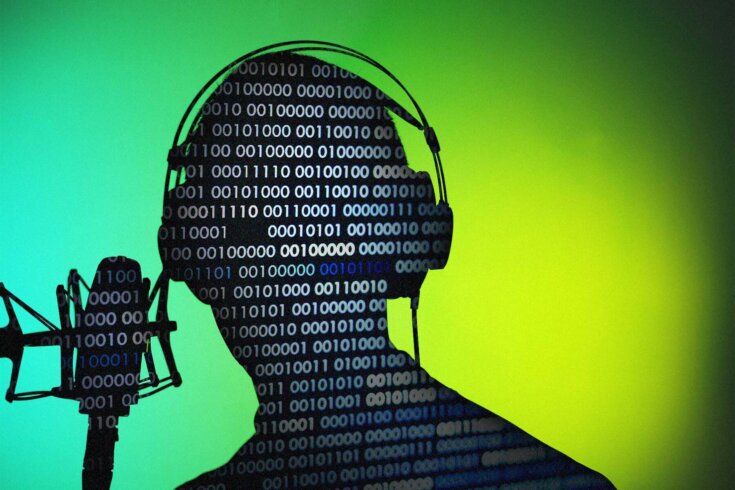
As a voice actor, I know how passionately people can get attached to cartoons, how visceral the sense of ownership that comes from loving a character can be. Figures I’ve voiced have inspired fan art both wholesome and kinky. They’ve even inspired fan art of me as a person (thankfully, just the wholesome kind, as far as I know). I get emails asking me to provide everything from birthday greetings to personal details. Sometimes the senders offer a fee. If I were savvier, I would be on Cameo—or maybe OnlyFans.
All of this probably means I should be worried about recent trends in artificial intelligence, which is encroaching on voice-over work in a manner similar to how it threatens the labour of visual artists and writers—both financially and ethically. The creep is only just beginning, with dubbing companies training software to replace human actors and tech companies introducing digital audiobook narration. But AI poses a threat to work opportunities across the board by giving producers the tools to recreate their favourite voices on demand, without the performer’s knowledge or consent and without additional compensation. It’s clear that AI will transform the arts sector, and the voice-over industry offers an early, unsettling model for what this future may look like.