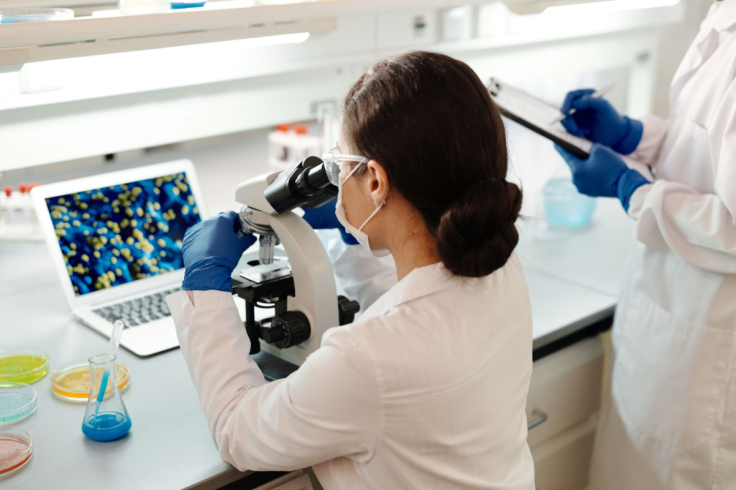
Artificial intelligence has been used to design 16 viral genomes that had never existed in nature, with the resulting bacteriophages able to infect and kill E. coli in laboratory tests and prompting scientists to describe the work as a turning point for AI-driven biological design.
Researchers at Stanford University and the Arc Institute generated about 300 candidate genomes for laboratory testing. Sixteen produced functional viruses, while several showed greater fitness than the natural virus used as the template and overcame bacterial resistance.