
Get all your news in one place.
100's of premium titles.
One app.
Start reading
Tom’s Hardware
Tom’s Hardware
Technology
Luke James

After jumping 2,200% over the last twelve months, DDR4 spot prices fall 5%, the first decline in nearly a year — DDR5 pricing sees some relief in China channel market

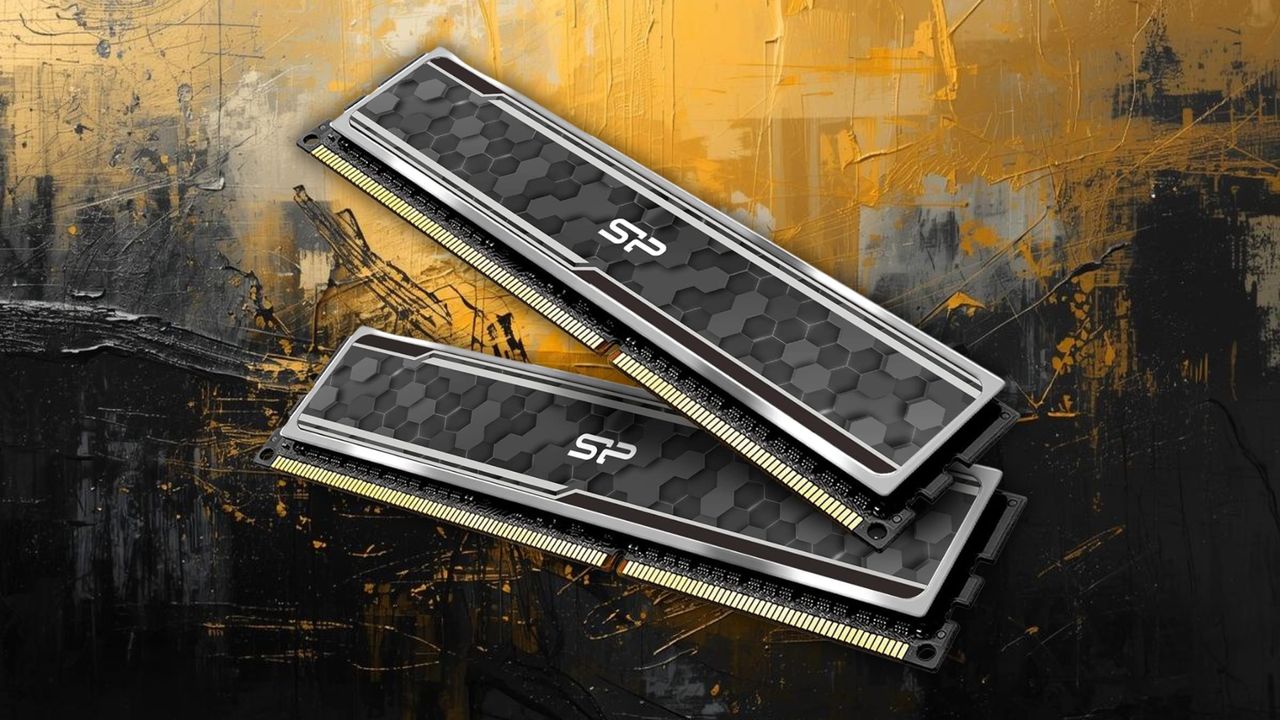
16GB (2x8GB) Silicon Power DDR4-3200 RAM.

The spot price of a 16GB DDR4 chip slipped roughly 5% over the past month to around $74.10, the first monthly decline since February 2025 and the first crack in a rally that pushed the same part from around $3.20 a year earlier, according to DigiTimes. This marks a notable decline from the 2,200% increase in pricing seen earlier this year.

16GB DDR5 fell by a comparable amount to roughly $37.20 over the same period, with the sharpest drops showing up in Chinese channel listings and on Amazon, where some 32GB DDR5 kits came down by as much as 30%. Even after the pullback, 16GB DDR4 is trading at more than 20 times its price just 12 months ago.

None of this has reached the contract market, where PC OEMs and system builders actually source memory. TrendForce's latest survey, which we covered last week, projects another 58% to 63% quarter-on-quarter rise in conventional DRAM contract prices in Q2 2026 and a 70% to 75% jump in NAND Flash, following record Q1 increases of 90% to 95% on DRAM.

DigiTimes reported that neither the three major suppliers nor Chinese memory makers CXMT and YMTC have eased pricing, and that customers are still signing long-term supply agreements. Spot sales represent a small fraction of total memory shipments, so a correction in channel listings has little direct bearing on OEM pricing.

It’s the Chinese channel that has moved the most, however, with DigiTimes reporting 32GB DDR5 kits down 27% over the month, while 8GB and 16GB DDR4 modules posted weekly declines of 25% in data the outlet attributed to China Flash Market.

Two factors appear to be driving the sell-off. First is that distributors who had built inventory at the top of the rally began clearing it once smaller module vendors ran out of headroom to pass costs downstream. Weak consumer demand has been a running theme since late 2025, when Samsung signed a non-cancellable DDR4 supply agreement that wouldn’t flow through to consumer buyers.

The second factor is Google's TurboQuant announcement in late March, a memory compression technique the company's research arm claims can cut key-value cache memory use during large language model inference by a factor of at least six. DigiTimes said the disclosure prompted some stockpilers to unload positions on concern that hyperscaler memory demand could soften if similar techniques reached production at scale.

DDR3 and legacy MLC NAND continue to climb despite the broader spot-side cooling, tracking the end-of-life pricing pattern we’ve seen as manufacturers pull the plug on DRAM in the pursuit of AI profits. Several suppliers are exiting those nodes entirely, and tight residual supply tends to support pricing on the way out. Retail DDR5 kit listings remain volatile, with triple and, in some cases, quadruple increases over the last three months.

Sign up to read this article
Read news from 100's of titles, curated specifically for you.
Already a member? Sign in here
Related Stories
Top stories on inkl right now
One subscription that gives you access to news from hundreds of sites
Already a member? Sign in here
Our Picks
Fourteen days free
Download the app
One app. One membership.
100+ trusted global sources.